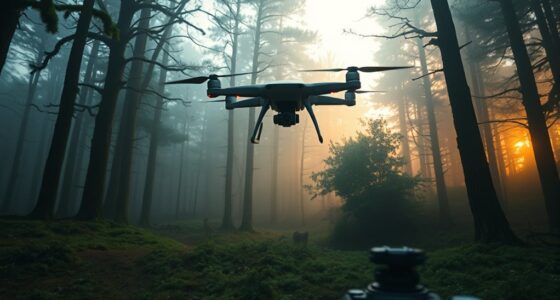

As climate change shifts habitats, you’ll likely see new cryptid hotspots emerge. Animals and legendary creatures adapt or migrate to follow changing environments, creating fresh areas for sightings. Fragmented or evolving landscapes may make cryptids more elusive, while new ecosystems like lakes, caves, or forests can turn into breeding grounds. If these trends continue, the landscapes of mystery will keep changing. Keep exploring to understand how these environmental changes could reveal more cryptid secrets.

Get school and study supplies delivered free — and shop member deals
- Fast, free delivery on millions of items
- Access to Prime Big Deal Days deals on October 6–7
- Prime Video, Amazon Music and more included
Key Takeaways
- Climate change alters habitats, potentially creating new environments suitable for cryptid sightings.
- Shifts in ecosystems may lead cryptids to relocate or adapt, forming new hotspots.
- Habitat fragmentation and environmental upheaval can increase cryptid concealment and emergence in isolated areas.
- Migration of forests and ecological niches may result in new regions becoming cryptid hotspots.
- Evolving landscapes and legends driven by climate change will likely influence future cryptid sightings.
Climate change accelerates, it’s reshaping the landscapes where cryptid sightings often occur, raising questions about how environmental shifts might influence these mysterious hotspots. You might wonder whether these unseen creatures are affected by the changing climate, or if new areas might become suitable habitats for them. Climate-driven habitat shifts force species—both real and legendary—to adapt or relocate, which could impact where you might encounter cryptids. Evolutionary adaptations come into play here; creatures that survive in altered environments may evolve new traits, making them harder to detect or more elusive than ever. As habitats transform—whether through rising temperatures, melting ice, or shifting vegetation—the traditional hotspots could fade or change, but new ones might emerge elsewhere.
You should consider that some cryptid sightings have been linked to remote, less-disturbed environments. When climate change causes habitat destruction or fragmentation, these areas might become even more isolated, potentially increasing the likelihood of cryptids lurking in the shadows. Conversely, some habitats may expand or shift, creating new ecological niches. For example, as forests migrate poleward or to higher altitudes, cryptid sightings could follow, leading you to new hotspots that weren’t relevant before. Additionally, environmental changes often lead to habitat fragmentation, which can influence the distribution and behavior of both real and legendary creatures. Moreover, ecological balance is sensitive to rapid environmental changes, which can further alter cryptid habitats. This ongoing environmental upheaval can also lead to species migration, influencing where cryptids might be spotted. Furthermore, the unpredictable nature of these shifts can sometimes result in the emergence of new cryptid legends, as communities interpret strange sightings in the context of the changing environment.
The ecological balance is delicate, and sudden habitat shifts can prompt species to adapt rapidly. These adaptations might include changes in size, camouflage, or behavior—traits that could make cryptids harder to spot or recognize. Such evolutionary adaptations could also inspire the emergence of new cryptids, as legends evolve in response to the altered landscape. If an area develops new lakes, caves, or dense forests due to environmental changes, it might become a breeding ground for sightings and stories, especially if these environments support unusual or mysterious creatures. Moreover, the ongoing climate change may lead to the creation of entirely new environments, fostering the development of cryptid legends in places that previously lacked such stories.
In this way, climate change might not only diminish old cryptid hotspots but also create opportunities for new ones. As habitats shift, so too will the places where you might stumble upon or hear about these legendary beings. Whether you believe in them or not, understanding the environmental dynamics helps explain why some sightings might increase or decrease over time. The landscape’s constant evolution, driven by climate change, keeps the mystery alive—possibly unveiling new hotspots where cryptids could hide or be discovered in the future.
As an affiliate, we earn on qualifying purchases.
Frequently Asked Questions
How Do Cryptids Adapt to Changing Climates?
You see, cryptids adapt to changing climates through cryptid migration, moving to areas with suitable habitats. As habitat disruption occurs, they might shift their ranges or change behaviors to survive. You can imagine some cryptids seeking cooler or more stable environments, while others might hide deeper in forests or lakes. Their ability to adapt depends on their resilience and the extent of environmental changes, which influences their survival chances.
Could Climate Change Cause Existing Cryptid Sightings to Decline?
Yes, climate change could cause existing cryptid sightings to decline. As urban encroachment increases, habitats become fragmented, making cryptids harder to spot. Additionally, wildlife migration shifts due to changing temperatures and food sources may lead cryptids to move to new areas, reducing sightings in traditional locations. This combination of habitat loss and migration alters the cryptid landscape, making it more difficult for enthusiasts to locate and document these elusive creatures.
Are There Any Documented Cases Linking Climate Shifts to Cryptid Activity?
There are no well-documented cases directly linking climate shifts to cryptid activity. However, climate-induced habitat loss can influence cryptid migration patterns, possibly prompting sightings in new areas. As ecosystems change, cryptids might explore unfamiliar habitats, increasing the chances of reported encounters. While concrete evidence remains scarce, understanding climate impacts on habitats could help explain shifts in cryptid sightings over time.
How Might New Ecosystems Influence Cryptid Evolution or Emergence?
New ecosystems are like uncharted waters where mythical fauna might evolve or emerge. As climate change reshapes legendary landscapes, you could see cryptids adapting to altered habitats or even appearing in previously unknown regions. These shifting environments offer potential for cryptid evolution, making it possible for legendary creatures to thrive or emerge anew. Your curiosity should focus on how these changing landscapes could foster the next generation of cryptids.
Will Climate Change Make Remote Cryptid Habitats More Accessible?
Yes, climate change will likely make remote cryptid habitats more accessible through habitat migration. As rising temperatures and shifting weather patterns alter ecosystems, previously inaccessible or hidden areas may open up for exploration. This climate-driven discovery could lead you to encounter cryptids in new locations, as species migrate or adapt to changing conditions. Consequently, the evolving landscape increases the chances of uncovering mysterious creatures in places once thought unreachable.
night vision binoculars for wildlife
As an affiliate, we earn on qualifying purchases.
As an affiliate, we earn on qualifying purchases.
Conclusion
As climate change shifts habitats like a restless painter, new cryptid hotspots could emerge, revealing mysteries hiding in the changing world around you. Just as a lighthouse guides ships through fog, these evolving environments might spotlight unknown creatures lurking in the shadows. Keep your curiosity alive, because the next strange sighting could be just around the corner, waiting like a hidden gem in the vast, unpredictable ocean of our planet’s future.
As an affiliate, we earn on qualifying purchases.
As an affiliate, we earn on qualifying purchases.
Halloween Picks
halloween
As an affiliate, we earn on qualifying purchases.