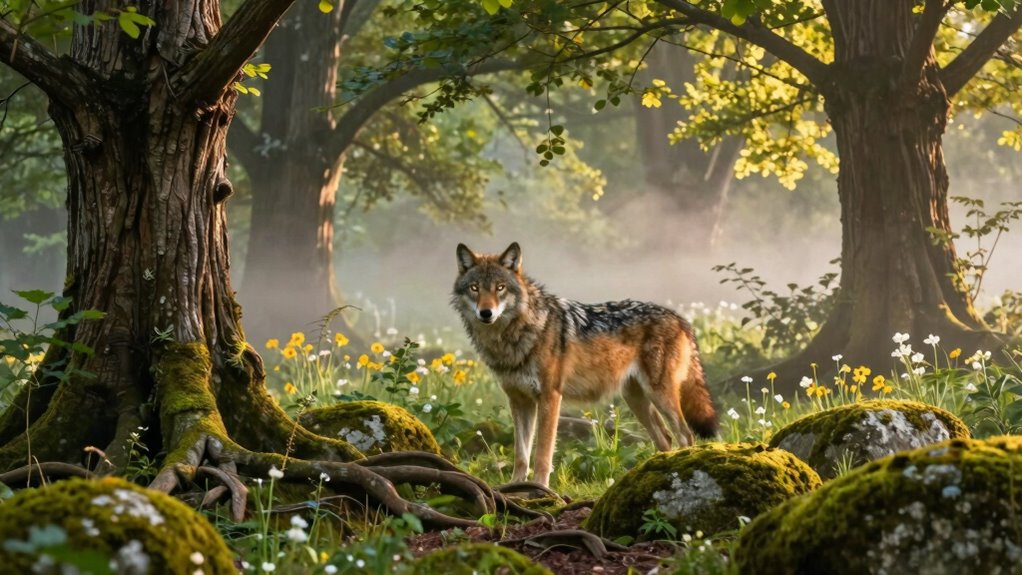

Rewilding projects can potentially revive old creature legends by restoring natural habitats and reintroducing species that may have inspired myths. As ecosystems recover, there’s a chance you’ll see once-forgotten animals reappear, blurring the line between legend and reality. These efforts not only boost biodiversity but also rekindle cultural stories tied to legendary beasts. If you want to learn how ancient habitats and scientific progress intertwine, you’re about to uncover fascinating connections.

Prime made for students and young adults
- Fast, free delivery for dorm and study essentials
- Prime Video and Amazon Music included
- Member-only deals
Key Takeaways
- Rewilding can restore habitats that inspired legends, increasing chances of rediscovering real animals behind myths.
- Reintroduction of extinct or elusive species may revive stories of legendary creatures.
- Revitalized ecosystems might lead to the reemergence of animals linked to ancient folklore.
- Scientific discoveries of overlooked species support the idea that myths are based on real creatures.
- Connecting folklore with habitat restoration deepens cultural appreciation and encourages ongoing conservation efforts.
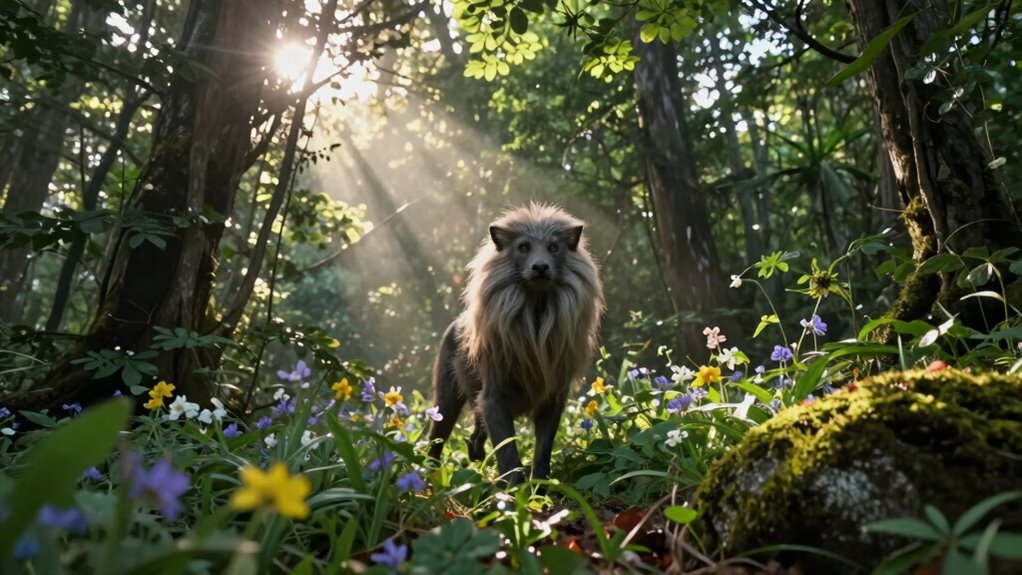
Have you ever wondered whether ancient legends of mythical beings might be rooted in real animals lurking in the wild? It’s a fascinating idea that some stories of dragons, unicorns, or griffins could originate from sightings of actual creatures, long extinct or hidden in remote habitats. Rewilding initiatives, which aim to restore natural ecosystems, could play a role in bringing these legends closer to reality—or at least helping us understand their origins. By focusing on revitalizing legendary habitats—areas that once teemed with diverse wildlife—these efforts might uncover clues about creatures that inspired folklore. As ecosystems recover, animals that were thought to be extinct or mythical might reappear, blurring the line between legend and reality.
Folklore preservation becomes essential in this context, as conserving stories and habitats helps maintain the cultural and ecological legacy of these regions. When rewilding endeavors prioritize mythical habitats—such as ancient forests, mountain ranges, or wetlands—they create environments conducive to rare or forgotten species. Sometimes, what’s considered mythical is simply an animal that was misunderstood or overlooked. For example, reintroducing apex predators like wolves or big cats can have cascading effects, restoring balance and possibly revealing species that have been absent from our view for generations. These animals, once thought lost, could serve as living links to legendary tales, breathing new life into old stories. Additionally, scientific advancements and increased awareness about rare species are making it possible to identify animals that may have inspired such legends.
Conserving habitats and reintroducing predators may reveal species that inspire myth and connect us to our natural heritage.
You might not realize it, but folklore preservation can serve to foster a deeper connection between communities and their natural surroundings. When local legends are tied to real animals or habitats, protecting these stories encourages people to value and conserve their environment. Rewilding projects often involve engaging local populations in preserving their cultural heritage, which can help sustain long-term conservation efforts. In addition, scientific research into legendary animals continues to reveal new species or re-discoveries, motivating further conservation work. Sometimes, efforts to restore legendary habitats lead to the discovery of species that resemble creatures from stories—like ancient sturgeons, giant salamanders, or even large nocturnal mammals—that could have inspired legendary tales. These discoveries excite scientists and storytellers alike, bridging the gap between myth and science.
Ultimately, rewilding initiatives have the potential to revive old creature legends by bringing forgotten animals back into the wild, reaffirming the importance of mythic habitats, and emphasizing folklore preservation. While we may not find dragons or unicorns, we might rediscover species that once inspired awe and fear, giving us a clearer picture of our natural history. By restoring ecosystems with a focus on legendary habitats, we keep the possibility alive that some legends are based on real creatures, waiting to be reintroduced to the world. Moreover, restoring ecosystems can help protect endangered species and improve biodiversity, further supporting the idea that myths may have been inspired by real, albeit rare, animals. Recognizing the ecological connections behind legends can deepen our understanding of the natural world and our cultural stories. Additionally, understanding the role of rewilding in restoring habitats emphasizes how ecological restoration can influence cultural narratives and folklore.
rewilding habitat restoration kit
As an affiliate, we earn on qualifying purchases.
As an affiliate, we earn on qualifying purchases.
Frequently Asked Questions
How Do Rewilding Projects Select Which Species to Revive?
You’ll find that rewilding projects select species based on ecological importance, feasibility, and conservation potential. They often use genetic engineering to bring back species with closely related living counterparts and focus on habitat restoration to guarantee a sustainable environment. By choosing species that can thrive in current ecosystems, projects aim to restore balance, enhance biodiversity, and reconnect fragmented habitats, ultimately reviving the ancient stories of creatures once thought lost forever.
What Are the Biggest Challenges in Reintroducing Extinct Creatures?
You face big challenges when reintroducing extinct creatures, mainly involving genetic engineering and ecosystem balance. It’s tough to guarantee these creatures are genetically viable and won’t disrupt existing ecosystems. You also need to take into account habitat suitability and potential threats from predators or human activity. Balancing the desire to revive extinct species with ecological stability requires careful planning, research, and ongoing monitoring to avoid unintended consequences.
Can Rewilding Efforts Impact Local Human Communities?
Rewilding efforts can greatly impact local communities by fostering cultural preservation and encouraging community engagement. As you participate in these projects, you help restore ecosystems, which can boost local tourism and economy. However, it is crucial to involve residents in planning to address concerns and guarantee benefits are shared. By doing so, you create a sense of ownership and pride, making rewilding a collaborative effort that benefits both nature and the people who live nearby.
Are There Ethical Concerns About Bringing Back Extinct Animals?
Yes, there are ethical concerns about bringing back extinct animals. You should consider genetic ethics, ensuring that genetic modifications don’t harm future populations. Animal welfare is also essential, as reintroduced creatures might struggle in modern environments or face health issues. Balancing scientific curiosity with moral responsibility is key, so you need to carefully evaluate potential risks and benefits before attempting to revive ancient species.
How Long Does It Typically Take for Rewilding Projects to Show Results?
Imagine a lush, thriving landscape slowly coming to life. Rewilding projects typically take several years to show noticeable results, depending on factors like habitat restoration and species adaptation. Genetic engineering accelerates this process, but restoring ecosystem balance remains vital. You might start seeing signs of change within 5 to 10 years, yet full ecological stability can take decades, requiring patience and ongoing effort to guarantee these revived habitats flourish sustainably.
reintroduction of extinct species book
As an affiliate, we earn on qualifying purchases.
As an affiliate, we earn on qualifying purchases.
Conclusion
As you consider rewilding projects, think of them as ancient stories coming alive again—like a phoenix rising from the ashes. These efforts breathe new life into ecosystems, potentially reviving the legendary creatures of old. Just as legends shape our understanding of the past, rewilding can reshape our future, reminding us that nature’s resilience is as powerful as any myth. Embrace these projects, and you could be part of a story still unfolding.
wildlife tracking and observation binoculars
As an affiliate, we earn on qualifying purchases.
As an affiliate, we earn on qualifying purchases.
As an affiliate, we earn on qualifying purchases.
Halloween Picks
halloween
As an affiliate, we earn on qualifying purchases.