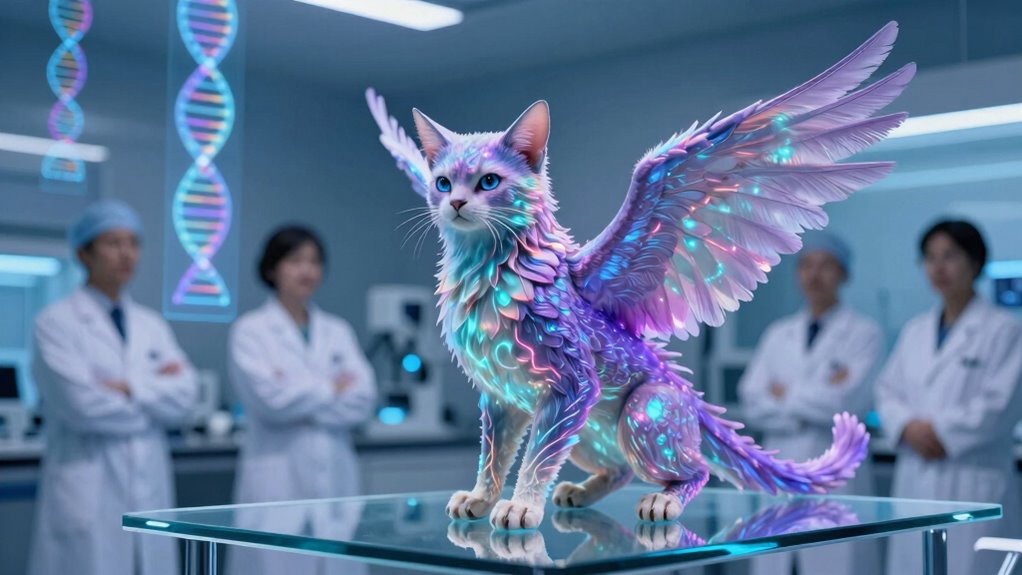

You might believe myths that lab-grown animals and hybrids are inherently dangerous or completely unnatural. Some may think they’re created without regard for safety or ecological impact, fueling fears of uncontrollable or harmful creatures. However, scientists follow strict protocols, ensuring safety, stability, and ecological responsibility. As misconceptions grow, it’s easy to overlook the careful science behind these innovations. Keep exploring to uncover the truth about the ethics and safety guiding this exciting research.

Prime made for students and young adults
- Fast, free delivery for dorm and study essentials
- Prime Video and Amazon Music included
- Member-only deals
Key Takeaways
- Lab-grown animals might be falsely believed to have no ethical oversight, fueling fears of reckless creation.
- Hybrid animals could be mythologized as uncontrollable monsters threatening human safety.
- Misconceptions may suggest lab animals are inherently unnatural, disregarding scientific advancements and natural processes.
- False claims may emerge that genetically engineered hybrids will inevitably disrupt or dominate ecosystems.
- New myths could portray lab-created animals as unpredictable or dangerous due to supposed scientific errors or malfunctions.
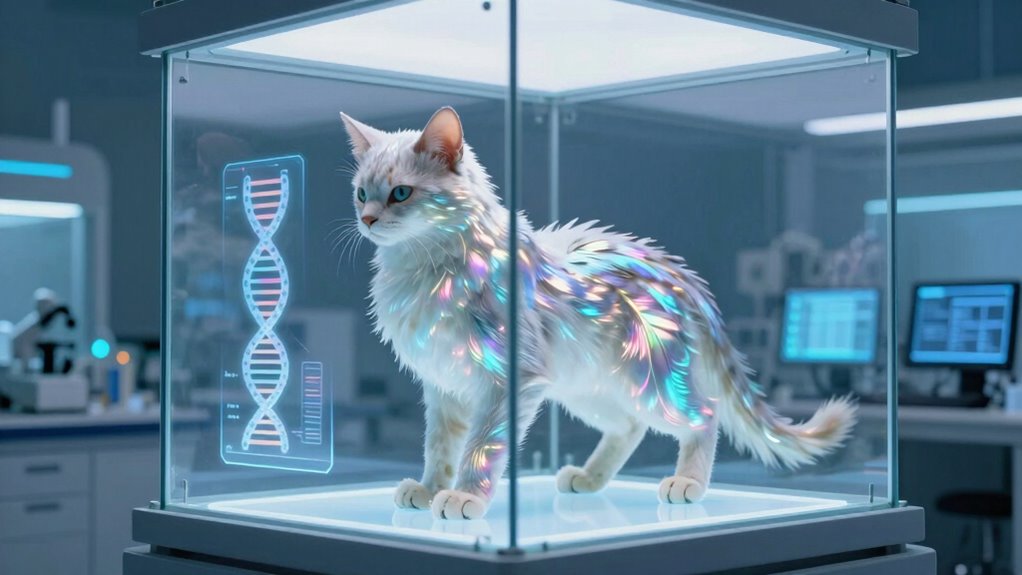
Many myths surround lab-grown animals and hybrids, leading to confusion and misconceptions about what these innovations truly entail. As technology advances, people might start to believe that creating such creatures is inherently unnatural or that it disregards ethical considerations. You could hear claims that lab-grown animals threaten traditional ecosystems or that they lack the necessary scientific precision to be viable or safe. However, understanding the reality requires examining these myths critically rather than accepting sensationalized stories at face value.
One common myth is that lab-grown animals are ethically questionable, as if they’re produced without regard for animal welfare. In reality, many scientists and ethicists argue that these methods could actually reduce suffering by eliminating the need for hunting, farming, or invasive breeding practices. The core ethical implications revolve around whether these animals are created with proper care and oversight, not whether they exist at all. As more research emerges, it becomes clear that maintaining high standards of scientific accuracy is essential to ensuring these innovations are ethically sound. Misconceptions often oversimplify the process, making it seem as though animals are being “manufactured” without concern for their well-being, which is rarely the case in reputable research.
Lab-grown animals can reduce suffering if created responsibly with proper care and oversight.
Another myth that could gain traction is that hybrid animals are a form of genetic manipulation that leads to unpredictable or dangerous outcomes. People might worry that mixing species in a lab could produce monsters or uncontrollable creatures. But scientific precision plays a vital role here. Scientists work meticulously to understand the genetics involved, aiming to create hybrids that are stable and viable. The goal isn’t to produce unpredictable monsters but to explore potential benefits, such as disease resistance or adaptability to changing environments. Mythologizing these efforts as reckless or careless ignores the rigorous safety protocols and scientific understanding guiding these experiments.
Furthermore, there’s a myth that lab-grown animals and hybrids will inevitably disrupt natural ecosystems if released into the wild. This fear might be rooted in a misunderstanding of ecological balance and the science behind species development. In reality, researchers carefully consider ecological impacts and work within strict guidelines to prevent harm. The goal isn’t to create invasive species but to explore solutions for conservation or food security. Recognizing the importance of scientific accuracy helps dispel this myth, emphasizing that these innovations are developed with ecological responsibility in mind. Additionally, advancements in biotechnology are crucial for ensuring that such animals are designed with ecological considerations from the outset. Understanding scientific precision in genetic engineering is essential to mitigate ecological risks and promote safe applications.
As an affiliate, we earn on qualifying purchases.
Frequently Asked Questions
Could Lab-Grown Animals Develop Their Own Societal Structures?
Lab-grown animals could develop their own societal structures if artificial sociality is encouraged or naturally emerges. They might form hierarchies or cooperative groups, but this raises ethical considerations about their rights and treatment. You should consider how human intervention influences their social behaviors and whether it’s ethical to observe or manipulate these structures. Developing a deeper understanding helps clarify the moral implications of creating and studying lab-grown animals with complex social lives.
Are Hybrid Animals More Likely to Breed Uncontrollably?
Could hybrid animals breed uncontrollably? It’s unlikely if you focus on genetic stability and reproductive control. Scientists aim to prevent such chaos by designing hybrids with specific traits, limiting their ability to reproduce freely. Think of it like taming a wild stallion—careful breeding ensures these animals don’t multiply beyond intended. So, with proper oversight, hybrid animals won’t spiral into uncontrollable populations, keeping ecological balance intact.
Will Lab-Grown Creatures Be Used for Illegal or Unethical Purposes?
Lab-grown creatures could be exploited for illegal or unethical purposes despite strict regulations. People might misuse genetic manipulation to create dangerous hybrids or unethical experiments. As a result, you should be cautious about the potential for abuse, and society must address ethical dilemmas proactively. Ensuring proper oversight and responsible research can help prevent these lab-grown animals from being exploited, protecting both animals and human interests.
How Might Lab-Grown Animals Impact Natural Ecosystems Long-Term?
Lab-grown animals could profoundly impact ecosystem balance by introducing species that outcompete native wildlife, disrupting existing food chains. Their presence might reduce biodiversity, as natural habitats struggle to adapt to these synthetic creatures. Over time, this could lead to unforeseen ecological shifts, threatening endangered species and altering natural processes. You should consider these biodiversity implications carefully, as long-term effects might be irreversible, fundamentally changing the delicate balance of ecosystems.
Could Hybrids Possess Unpredictable Health or Genetic Issues?
Hybrids could indeed face unpredictable health risks due to genetic instability. As you consider their creation, remember that genetic stability isn’t guaranteed, which might lead to unforeseen health issues or vulnerabilities. These risks could affect their survival, reproduction, or overall well-being. It is crucial to thoroughly study and understand potential genetic complications before developing hybrids, ensuring you’re aware of the possible long-term health risks involved.
genetically engineered hybrid animals
As an affiliate, we earn on qualifying purchases.
As an affiliate, we earn on qualifying purchases.
Conclusion
As you stand at the crossroads of innovation, remember that myths about lab-grown animals and hybrids are like shadows cast by unfamiliar shapes—distorting reality in the twilight of understanding. Just as the myth of the phoenix symbolizes rebirth, truth will rise from the ashes of speculation if you seek knowledge with clarity. Embrace curiosity, but tread carefully, for in this new dawn, what is real may be cloaked in stories waiting to be unraveled.
As an affiliate, we earn on qualifying purchases.
animal genetic modification tools
As an affiliate, we earn on qualifying purchases.
As an affiliate, we earn on qualifying purchases.
Halloween Picks
halloween
As an affiliate, we earn on qualifying purchases.