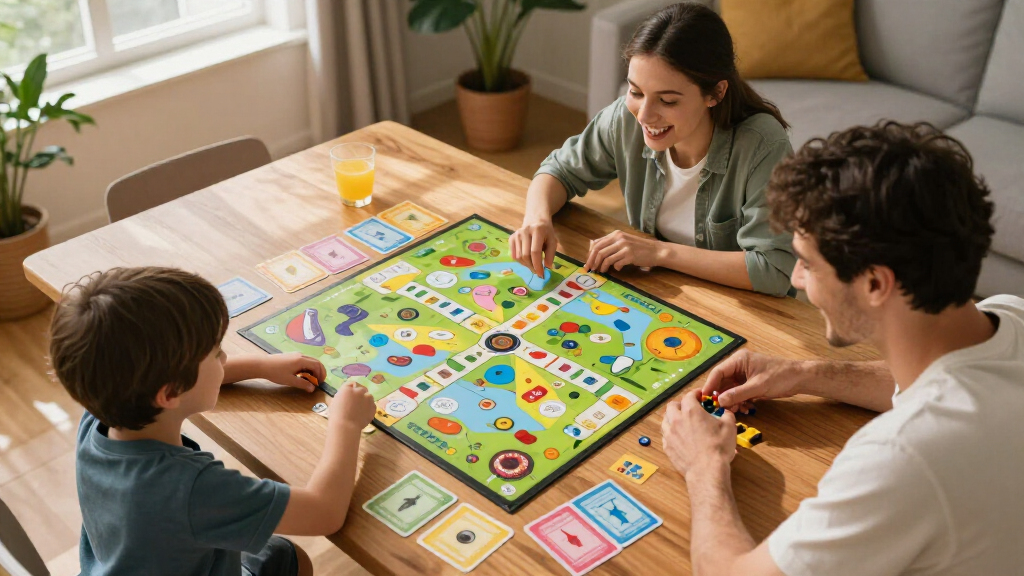

Educational science board games offer a hands-on way to explore complex scientific concepts in a fun, interactive format. The best options balance engaging gameplay with educational value, making learning about biology, chemistry, and ecology enjoyable for kids and adults alike. The Genius Games Peptide stands out for its detailed focus on protein construction, while Periodical provides a broad overview of the elements through a strategic game. Buyers often face tradeoffs between complexity, replay value, and age-appropriateness. Keep reading for a detailed comparison to help you find the perfect fit for your learning goals.

Prime made for students and young adults
- Fast, free delivery for dorm and study essentials
- Prime Video and Amazon Music included
- Member-only deals
Key Takeaways
- The most comprehensive games blend strategy with deep scientific content, but may be best for older players.
- Simple trivia-based games excel for quick learning and family play, especially for younger children.
- Design quality and clarity of instructions significantly impact how easily players grasp complex concepts.
- Price often correlates with depth—more expensive games tend to offer richer educational experiences.
- Consider the target age and prior knowledge when selecting a game to ensure it’s engaging without being overwhelming.
| Genius Games Peptide: A Protein Building Game | Educational Strategy Card Game for Kids and Adults |  | Best Overall for High School Biology Enthusiasts | Ages: 10+ | Players: 2-5 | Playtime: 30-45 mins | VIEW LATEST PRICE | See Our Full Breakdown |
| MindWare Science Trivia Challenge Game – Educational & Fun Game for Families & Kids Ages 7 & Up | 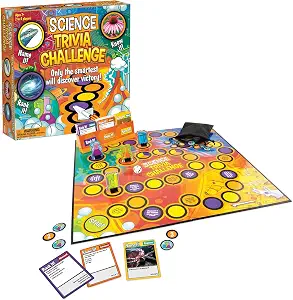 | Best Value for Broad Scientific Knowledge and Deductive Skills | Number of Cards: 216 | Includes: die, observation tokens, pawns | Recommended Age: 7 and up | VIEW LATEST PRICE | See Our Full Breakdown |
| Periodic: A Game of the Elements | Periodic Table Board & Card Game |  | Best for STEM Learning and Chemistry Enthusiasts | Type: Board & Card Game | Educational Focus: Chemistry, Periodic Table | Recommended Age: 10+ | VIEW LATEST PRICE | See Our Full Breakdown |
| Cytosis: A Cell Biology Board Game | Science Strategy Game About Building Proteins, Carbohydrates, Enzymes, Organelles & Membranes |  | Best for Cell Biology Enthusiasts and Critical Thinkers | Type: Board Game | Theme: Cell Biology | Players: 2 or more | VIEW LATEST PRICE | See Our Full Breakdown |
| Genotype: Mensa Award-Winning Genetics Board Game about Mendel’s Pea Plants |  | Best for Advanced Genetics and Strategy Enthusiasts | Age Range: 8 years and up | Included Components: Game | Set Name: Genotype | VIEW LATEST PRICE | See Our Full Breakdown |
| Ecosystem – A Family Card Game about Building Habitats |  | Best for Family-Friendly Ecology Learning | Number of Players: 2-6 | Game Type: Card game | Theme: Ecology, Biodiversity | VIEW LATEST PRICE | See Our Full Breakdown |
More Details on Our Top Picks
Genius Games Peptide: A Protein Building Game | Educational Strategy Card Game for Kids and Adults
Peptide stands out as the most comprehensive option for those interested in in-depth biology concepts. Its focus on protein synthesis, amino acids, and cellular organelles makes it ideal for classroom settings or family players who want a challenge. Compared with Cytosis, Peptide offers a more detailed look at molecular biology but requires players to have some background knowledge, making it less suitable for complete beginners or younger children. Its strategic gameplay engages a broad age range, but its complexity and limited player count might restrict group size. This game excels at translating high school biology into an interactive experience, though it may overwhelm casual players.
Pros:- Provides an in-depth, accurate look at cell biology and protein synthesis
- Engages multiple ages with strategic gameplay
- Suitable for classroom use and family game nights
Cons:- Too complex for very young children or complete beginners
- Limited to 2-5 players, less ideal for large groups
Best for: Middle and high school students, teachers, or families with a strong interest in biology concepts.
Not ideal for: Young children or casual gamers seeking simpler, quicker science games without prior biology knowledge.
- Ages:10+
- Players:2-5
- Playtime:30-45 mins
- Concepts Covered:mRNA to protein translation, amino acids, organelles
Our verdict“This game is perfect for biology enthusiasts who want a challenging, educational experience, but less so for casual or younger players.”
MindWare Science Trivia Challenge Game – Educational & Fun Game for Families & Kids Ages 7 & Up
Compared with more specialized games like Periodic, the Science Trivia Challenge offers a broad-based approach to science literacy, making it ideal for quick, engaging family or classroom activities. Its 216 cards and multiple difficulty levels promote critical thinking and deductive reasoning, but it leans heavily on trivia, which might limit appeal for those seeking deeper scientific exploration. While it’s suitable for a wide age range, younger children may need adult supervision to navigate the challenge cards. Its versatility makes it a reliable choice for introducing scientific concepts in a fun, social format, though it lacks the depth of content found in more complex games.
Pros:- Enhances scientific knowledge and reasoning skills
- Flexible for individual or group play
- Includes multiple difficulty levels for varied ages
Cons:- May require adult supervision for younger children
- Limited to science trivia, which might not satisfy all interests
Best for: Families with kids aged 7 and up seeking a flexible, educational game that covers multiple science topics.
Not ideal for: Science enthusiasts looking for detailed mechanics or deep STEM concepts, as this game emphasizes trivia over in-depth learning.
- Number of Cards:216
- Includes:die, observation tokens, pawns
- Recommended Age:7 and up
Our verdict“This trivia game offers broad scientific engagement suitable for mixed-age families, but less depth for dedicated science learners.”
Periodic: A Game of the Elements | Periodic Table Board & Card Game
Periodic offers a detailed exploration of the periodic table, making it stand out from more general science games like Cytosis. Its combination of board and card gameplay is ideal for those who want to learn about elements, chemical properties, and STEM principles in a strategic setting. Unlike Cytosis, which emphasizes cell biology, Periodic provides a more focused chemistry experience, though it can be challenging for younger kids or those new to the periodic table. Its alignment with standards like NGSS and MENSA makes it particularly appealing for educational settings. However, the complexity may limit its appeal to players without some chemistry background, and it requires a solid understanding of the periodic table to fully enjoy.
Pros:- Educational and engaging way to learn about elements and chemistry
- Aligned with educational standards, suitable for classroom use
- Includes accurate, detailed scientific content
Cons:- May be too complex for very young children or beginners
- Requires some understanding of the periodic table for full enjoyment
Best for: Students, educators, or families seeking a deeper understanding of chemistry and the periodic table.
Not ideal for: Young children or casual players without prior chemistry knowledge, as the game can be quite complex.
- Type:Board & Card Game
- Educational Focus:Chemistry, Periodic Table
- Recommended Age:10+
- Standards:NGSS, STEM, MENSA
Our verdict“Ideal for chemistry-minded players and educators aiming for an accurate, strategic learning experience, though not suited for complete beginners.”
Cytosis: A Cell Biology Board Game | Science Strategy Game About Building Proteins, Carbohydrates, Enzymes, Organelles & Membranes
Cytosis excels in translating complex cell biology concepts into a strategic game, making it ideal for players who enjoy building and managing biological processes. Its focus on constructing enzymes, hormones, and organelles offers a hands-on approach to understanding cellular functions, similar in educational value to Peptide but with a more interactive, game-based format. Unlike Peptide, which is more card-driven, Cytosis’s board setup and component complexity may be daunting for very young children and requires multiple players for full engagement. Its detailed educational booklet, reviewed by PhDs, adds credibility but also increases setup time. This game fits best in family or classroom settings where players are open to a slightly more involved learning process.
Pros:- Engages players with a hands-on cellular biology experience
- Includes scientifically accurate educational booklet
- Suitable for both kids and adults interested in biology
Cons:- Complex setup and learning curve
- Requires multiple players for full enjoyment
- May be overwhelming for very young children
Best for: Students and families interested in cell biology, with some patience for setup and gameplay complexity.
Not ideal for: Young children or casual players seeking quick, simple science games, as Cytosis demands time and attention.
- Type:Board Game
- Theme:Cell Biology
- Players:2 or more
- Ages:8+
- Includes:Game components and educational booklet
Our verdict“Perfect for those who want an interactive, detailed cell biology game, but less so for quick or casual gameplay sessions.”
Genotype: Mensa Award-Winning Genetics Board Game about Mendel’s Pea Plants
Genotype stands out as the most strategic and scientifically accurate genetics game, using dice drafting and worker placement mechanics to simulate Mendel’s experiments. Its detailed science booklet and solo mode make it ideal for dedicated learners and those seeking a challenging experience, surpassing simpler trivia or fact-based games like MindWare’s challenge. However, its rules have a steeper learning curve, potentially deterring casual players or younger children. The longer game duration—up to 75 minutes—may be a barrier for some families or classrooms looking for quicker activities. Still, its recognition by Mensa and high ratings affirm its value for serious science education and strategic gameplay.
Pros:- Highly educational and scientifically accurate
- Includes solo mode for independent learning
- Award-winning with high customer ratings
Cons:- Complex rules require a learning curve
- Longer game duration may limit casual play
Best for: Students, teachers, and science enthusiasts eager for a deep, strategic look at genetics and Mendelian principles.
Not ideal for: Casual players or younger children who may be overwhelmed by complex rules and longer game times.
- Age Range:8 years and up
- Included Components:Game
- Set Name:Genotype
- Edition:Standard Edition
- Manufacturer:Genius Games
Our verdict“This game is best suited for serious science learners and strategy fans willing to invest time to master its mechanics and concepts.”
Ecosystem – A Family Card Game about Building Habitats
Ecosystem stands out for its accessible approach to teaching ecology and biodiversity through a quick, engaging card game. Compared with Periodic, which offers a more in-depth exploration of the periodic table, Ecosystem simplifies complex environmental concepts into a fun format that appeals to all ages. Its lightweight design and short playtime make it ideal for family game nights or classroom sessions, but the simplicity can become a drawback for more experienced players seeking a deeper challenge. It promotes strategic thinking and environmental awareness without overwhelming newcomers, though repeated plays may lead to boredom due to limited variability. This pick makes the most sense for families or educators wanting a quick, educational introduction to ecological balance without the complexity of more involved science games.
Pros:- Accessible for all ages, encouraging family participation
- Simplifies ecological concepts for effective learning
- Quick setup and gameplay fit busy schedules
Cons:- May be too simple for experienced ecology buffs
- Limited replayability after multiple sessions
Best for: Families with children or educators seeking an easy-to-learn, quick educational game about ecosystems
Not ideal for: Advanced ecology enthusiasts or players looking for highly strategic, replayable science games
- Number of Players:2-6
- Game Type:Card game
- Theme:Ecology, Biodiversity
- Playing Time:15-20 minutes
Our verdict“This game is ideal for families and educators who want a straightforward, fun introduction to ecosystems without complexity.”
How We Picked
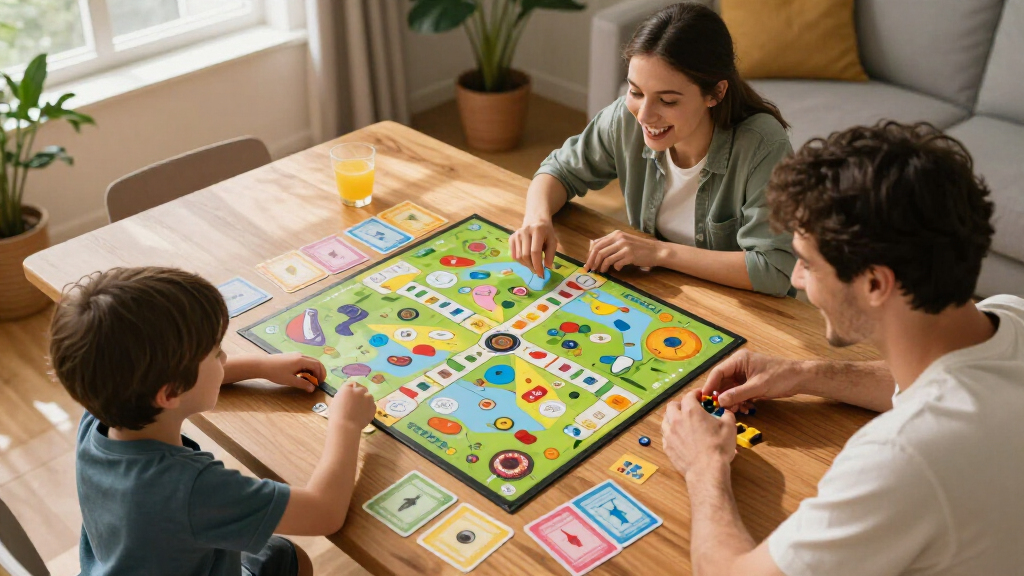
These games were evaluated based on educational content accuracy, gameplay engagement, build quality, replay value, age appropriateness, and ease of understanding. We prioritized products that effectively translate scientific principles into interactive play, making complex topics accessible and enjoyable. The ranking reflects a balance between depth of content and usability, ensuring each game offers unique value for different types of learners and settings.Factors to Consider When Choosing Educational Science Board Games
Choosing the right educational science board game depends on several factors. It’s important to consider the target age, complexity level, and the specific scientific topics covered. A game that is too simple may not challenge older learners, while overly complex options can frustrate beginners. Additionally, think about how much time you want to dedicate to gameplay and whether the game encourages collaboration or competition. Price and durability also play roles, especially if the game will see frequent use. Finally, consider if the game aligns with your specific educational goals—whether to introduce basic concepts or deepen existing knowledge.Age and Difficulty Level
Matching the game’s complexity with the age and knowledge level of players is essential. Many science games are designed for a broad age range, but some are better suited for older students familiar with scientific terminology and concepts. For younger children, look for games with simple rules, visual aids, and straightforward questions or challenges. Overly complex games may alienate beginners, while overly simplistic ones could bore advanced learners. Consider the recommended age range and read reviews to gauge whether the game hits the right difficulty balance for your group.
Educational Content and Scientific Accuracy
Ensuring the game accurately represents scientific principles is vital. Poorly designed games might oversimplify or distort facts, undermining their educational value. Look for games developed with input from science educators or experts, and check for clear, accurate information in the instructions. The depth of content should match the learner’s level—more detailed games suit older students or enthusiasts, while basic concepts are better for beginners. Remember, the goal is to foster curiosity and understanding, not just entertainment.
Gameplay Style and Engagement
The way a game plays affects how long players stay interested. Strategy games with multiple layers of decision-making tend to promote critical thinking but can be more complex to learn. Trivia or card-based games offer quick, fun interactions suitable for casual play. Cooperative games encourage teamwork, making them ideal for classroom or family settings, while competitive options can motivate learners through friendly challenge. Consider your group’s preferences and the learning environment to select a game that maintains interest and supports educational goals.
Price and Durability
Higher-priced games often feature better build quality and more comprehensive content, but budget options can still deliver good value. Durable materials and clear packaging ensure the game withstands frequent use, especially in classroom settings. Cheaper games might have thinner cards or less sturdy components, which can become problematic over time. Balance your budget with the intended frequency of play and storage considerations to choose a game that offers longevity without overspending.
Educational Goals and Focus Topics
Different games emphasize various scientific disciplines—biology, chemistry, physics, ecology, or general science. Clarify what you want to teach or reinforce, then select a game aligned with those topics. For example, Genotype focuses on genetics, ideal for biology enthusiasts, while Ecosystem covers environmental concepts suitable for outdoor learning or ecology units. Avoid scattershot options that lack focus, and instead choose games that reinforce core concepts you aim to teach, ensuring more meaningful learning outcomes.
Frequently Asked Questions
Are science board games suitable for all ages?
Science board games vary widely in complexity and content, making some suitable for young children and others geared toward teens or adults. Games designed for younger players typically feature simple rules, colorful visuals, and basic scientific facts, fostering early interest in science. More advanced games incorporate detailed concepts and strategic gameplay, better suited for older learners or science enthusiasts. Always check the recommended age range and consider your specific group’s knowledge level to ensure the game is engaging without being overwhelming.
Can science board games replace traditional science education?
While science board games are excellent supplementary tools that reinforce concepts through interaction and play, they shouldn’t replace formal education. These games are best used to spark curiosity, introduce new topics, or deepen understanding in a fun way. They complement classroom lessons by providing hands-on experiences that make abstract ideas more concrete. Relying solely on games without structured learning might leave gaps in knowledge, so they should be integrated into a broader educational approach.
What features make a science board game truly educational?
Effective educational science games include accurate scientific content, clear instructions, and gameplay that encourages critical thinking or problem-solving. The game should challenge players to apply concepts rather than memorize facts, fostering deeper understanding. Visual aids and tangible components help illustrate complex ideas. Additionally, a well-designed game balances fun and learning, ensuring players stay motivated while absorbing scientific principles. Look for reviews or educator endorsements to verify educational quality.
Are there science board games suitable for classroom use?
Yes, many science board games are designed with classroom settings in mind. These typically feature durable components, straightforward rules, and content aligned with curriculum standards. Some include teacher guides or discussion prompts to enhance learning. It’s important to choose games that are easy to set up and facilitate group play, encouraging collaboration. Budget considerations also matter, as multiple copies may be needed for larger classes, so look for options offering good value and ease of use.
How do I choose between a strategy game and a trivia game for science learning?
Strategy games tend to promote critical thinking and deeper understanding by requiring players to plan and make complex decisions, making them ideal for older or more experienced learners. Trivia games, on the other hand, are quicker and better suited for introducing basic facts or for casual family fun, especially with younger children. Consider your educational goals—if you want to develop problem-solving skills, a strategy game is preferable; for quick recall and engagement, trivia might be better. Balancing both types can provide a well-rounded science learning experience.
Conclusion
For those seeking a comprehensive, immersive experience, the Genius Games Peptide offers in-depth biology concepts suitable for older students or dedicated learners. Parents or casual educators may prefer the MindWare Science Trivia Challenge for quick, engaging fact-based fun. Educators looking for durability and curriculum alignment should consider the Periodical or Cytosis for classroom use. Budget-conscious buyers will find good value in simpler trivia games, while premium options with intricate components suit serious science enthusiasts. Ultimately, match the game to your learner’s age, interest level, and educational goals for the best results.
Halloween Picks
halloween
As an affiliate, we earn on qualifying purchases.