Alpine legends act as a shared cultural thread that unites Germany, Austria, and Switzerland by shaping common stories, folklore, and traditions. You’ll find similar tales of mountain spirits, enchanted forests, and heroic deeds across these countries, which foster a collective identity rooted in the mythic landscape. Traditional architecture, craftsmanship, and festivals reflect this interconnected heritage, strengthening bonds beyond borders. Keep exploring to discover how these legendary stories and shared customs keep the Alpine unity alive and thriving.

Get school and study supplies delivered free — and shop member deals
- Fast, free delivery on millions of items
- Access to Prime Big Deal Days deals on October 6–7
- Prime Video, Amazon Music and more included
Key Takeaways
- Alpine folklore features shared mythical creatures and stories that transcend national borders, fostering a unified cultural identity.
- Legends of mountain spirits and guardians connect communities across Germany, Austria, and Switzerland through common mythic themes.
- Traditional Alpine architecture and craftsmanship reflect shared design principles, strengthening regional cultural bonds.
- Folklore influences festivals and daily practices, creating a collective heritage that unites border communities.
- Preservation of legends and architectural styles maintains a transnational cultural continuity amid modern influences.
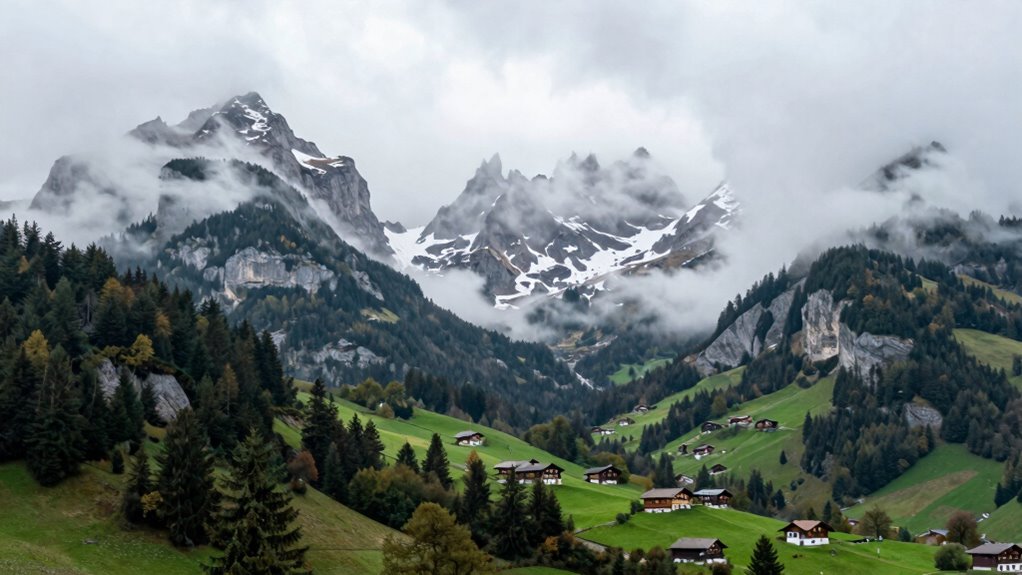
The rugged beauty of the Alps has long served as a natural border, but recent stories and legends from Germany, Austria, and Switzerland are blurring those lines even further. As you explore these regions, you’ll notice how Alpine folklore seamlessly weaves through local traditions, shaping a shared cultural tapestry that transcends national borders. These legends speak of mysterious creatures, enchanted forests, and heroic deeds, creating a sense of unity among communities divided by geography. You might hear tales of mountain spirits and guardian beings that protect villages, regardless of whether you’re in Bavarian Germany, Tyrol, or Swiss canton. Such stories foster a collective identity rooted in the mythic landscape of the Alps, making it more than just a physical boundary.
In addition to folklore, mountain architecture plays a key role in blurring borders. Traditional Alpine structures—charming chalets, stone farmhouses, and ornate chapels—share common features across Germany, Austria, and Switzerland. You’ll notice the steeply pitched roofs and sturdy stone walls designed to withstand heavy snowfall and harsh weather, a practical response to the mountain environment that’s become a unifying architectural language. These buildings, often decorated with intricate wood carvings and vibrant frescoes, reflect shared craftsmanship and aesthetic sensibilities. It’s as if the mountain architecture itself acts as a silent dialogue, linking communities through style and function, regardless of the political boundaries separating them. Additionally, the common use of sustainable and locally sourced materials in construction emphasizes the region’s connection to its natural environment and promotes sustainable living practices that are rooted in tradition. Interestingly, modern innovations in 3D scanning and printing are beginning to preserve and replicate these traditional designs, helping to maintain cultural heritage while adapting to contemporary needs.
As you move through these regions, you’ll see how Alpine folklore and mountain architecture influence local festivals, traditions, and even everyday life. The legends breathe life into the landscape, turning simple mountain villages into sites of cultural pilgrimage. You might stumble upon a small chapel adorned with carvings that echo stories of mountain guardians, or hear local guides recount tales of mystical beings said to dwell in the shadows of peaks. These elements reinforce a sense of continuity and shared heritage, making the Alps feel less like a divide and more like a common homeland. The stories and structures serve as a reminder that, beneath the political borders, the mountain’s spirit and history remain connected, shaping a shared cultural identity that’s as enduring as the peaks themselves. Moreover, the interconnection of folklore and architecture demonstrates how cultural expression in the Alps is a resilient trait that binds communities across borders through shared symbols and narratives. This interconnectedness is further strengthened by the preservation of traditional crafts, which continue to embody the region’s unique cultural identity amidst modern influences.
Alpine folklore and legends book
As an affiliate, we earn on qualifying purchases.
As an affiliate, we earn on qualifying purchases.
Frequently Asked Questions
Which Specific Legends Are Most Influential in Shaping Regional Identities?
You’re most influenced by legends featuring mythical creatures like the Lindworm and the Nix, which embody regional fears and virtues. Folklore festivals celebrating these stories reinforce local identities, blending history and myth. These legends, shared through storytelling and festivities, create a sense of community and cultural pride. They shape your understanding of the region’s unique character, connecting you deeply with its traditions and the mystical qualities of the Alpine landscape.
How Do Local Cultures Influence the Legends’ Storytelling?
You see, local cultures deeply influence these legends’ storytelling by integrating their unique folklore festivals and mythical creatures. You might hear tales of dragons or spirits that reflect regional beliefs and traditions. These stories evolve through community celebrations, where folklore festivals bring people together, emphasizing local values. The mythical creatures in legends symbolize cultural identity, making each region’s stories distinct yet interconnected, blending German, Austrian, and Swiss influences seamlessly.
Are There Any Modern Reinterpretations of These Alpine Legends?
You’ll find modern reinterpretations of these alpine legends lurking in folklore festivals and stories about mythical creatures. Creators breathe new life into ancient tales, blending tradition with contemporary themes, sparking curiosity. These reimagined legends captivate audiences, weaving suspense and wonder into the fabric of local culture. As you explore, you realize that these stories evolve, revealing fresh perspectives while honoring their mysterious, timeless roots.
How Do Legends Impact Tourism in the Alpine Regions?
You’ll find that legends boost tourism in alpine regions by fascinating visitors with tales of mythical creatures and folklore festivals. These stories create a sense of mystery and cultural richness, encouraging travelers to explore local traditions and landmarks. Attending folklore festivals allows you to immerse yourself in the legends, making your trip more memorable. As a result, these legends draw more tourists, supporting local economies and preserving regional heritage.
What Are the Origins of These Mountain Legends?
Like shadows cast by mythical creatures in the twilight, the origins of these mountain legends trace back to ancient folklore and legendary explorers. You discover that local communities crafted stories to explain mysterious sights and natural phenomena, passing them down through generations. These legends often blend real explorers’ daring adventures with mythical creatures, creating a tapestry of stories that shape cultural identities and inspire awe in the stunning alpine landscapes.
As an affiliate, we earn on qualifying purchases.
Conclusion
As you stand amid the towering peaks, it’s clear that the legends of the Alps don’t just belong to one country—they weave a tapestry across Germany, Austria, and Switzerland. Just like a river flowing seamlessly through valleys, these stories blend borders, reminding you that nature’s grandeur and cultural myths refuse to be confined. In the end, the Alps teach us that some legends are timeless, flowing beyond borders, shaping a shared human spirit that’s as vast as the mountains themselves.
Alpine architecture wooden carvings
As an affiliate, we earn on qualifying purchases.
As an affiliate, we earn on qualifying purchases.
Mountain spirits folklore souvenir
As an affiliate, we earn on qualifying purchases.
As an affiliate, we earn on qualifying purchases.
Halloween Picks
halloween
As an affiliate, we earn on qualifying purchases.