
Germany’s raven beasts, devils, and bogeymen all stem from ancient beliefs, representing different fears and moral lessons. Ravens often symbolize wisdom or warnings, reflecting nature’s dark side, while devils stand for temptation and evil, influenced by Christian tales. Bogeymen are cautionary figures meant to enforce morals among children, shaped by regional fears. Each creature’s traits reflect local traditions, and their stories continue to influence German culture. Keep exploring to uncover how these beings evolved and their true significance.

Get school and study supplies delivered free — and shop member deals
- Fast, free delivery on millions of items
- Access to Prime Big Deal Days deals on October 6–7
- Prime Video, Amazon Music and more included
Key Takeaways
- Ravens symbolize both wisdom and ominous warnings, reflecting their dual roles in German folklore as messengers and omens.
- Devils embody temptation and evil, with portrayals ranging from cunning tempters to grotesque figures influenced by Christian tradition.
- Bogeymen serve as cautionary figures enforcing moral behavior, often shaped by regional fears and societal anxieties.
- All three beings are rooted in ancient beliefs, with regional variations reflecting local environment and cultural influences.
- Their enduring presence highlights universal themes of morality, fear, and the unknown in German cultural mythology.
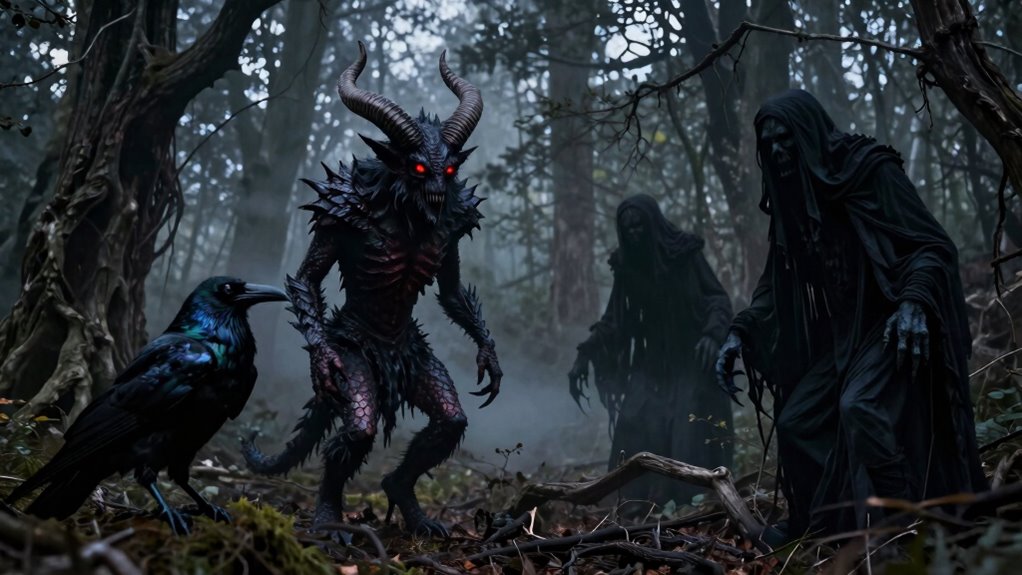
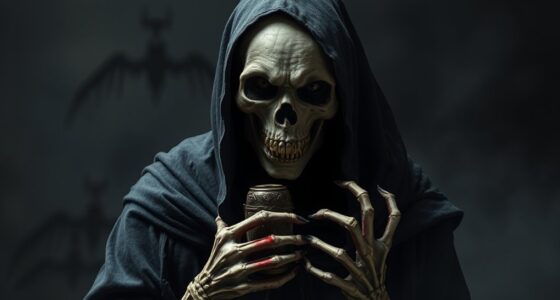
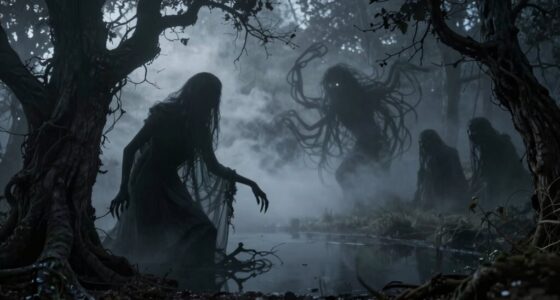
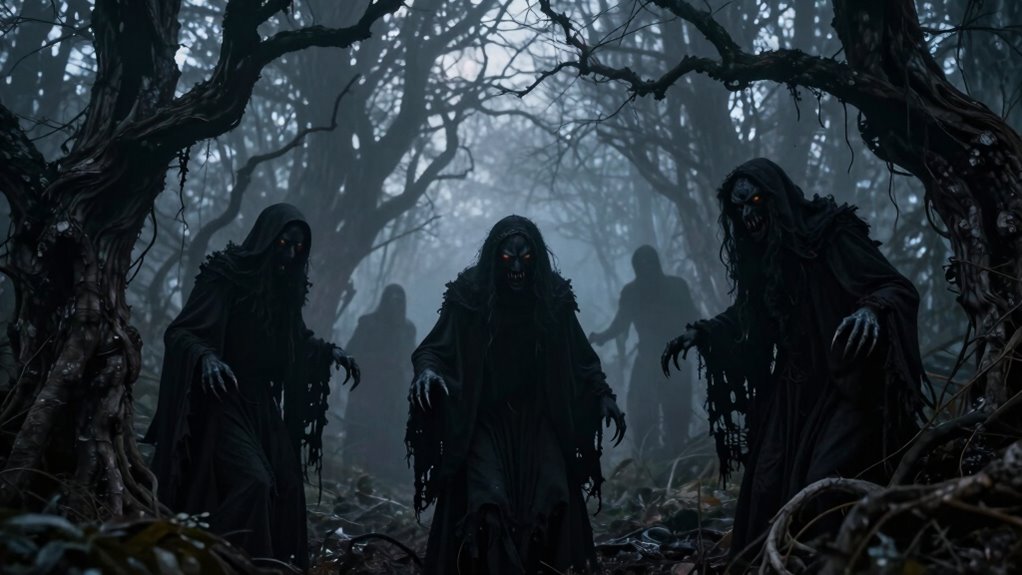
Germany’s folklore is rich with creatures that embody fears and moral lessons, from the ominous raven beasts to sinister devils and eerie bogeymen. These figures have deep roots in the country’s mythical origins and are shaped by diverse cultural influences over centuries. Understanding their origins helps you grasp why these beings persist in stories and beliefs today. The mythic origins of these creatures often trace back to ancient pagan traditions, where animals and supernatural figures represented natural forces or moral values. Ravens, for example, are linked to Norse and Germanic myths as messengers of death or omens, embodying mystery and forewarning. These birds symbolize wisdom but also serve as warnings, reflecting a complex relationship with nature’s darker aspects. The devils, on the other hand, have origins influenced by Christian theological concepts, introduced during the Middle Ages. They became symbols of temptation, evil, and moral testing, embodying the struggle between good and evil. Over time, these figures evolved, absorbing local superstitions and folklore, which added layers of regional specificity and complexity. The bogeymen, often depicted as terrifying humanoid figures lurking in the shadows, originate from older pre-Christian beliefs and serve as cautionary tales for children. They’re used to enforce moral behavior, warning kids to stay close or avoid dangerous places. These beings reflect the cultural influences of fear and morality, often tied to warnings about the unknown or the consequences of misbehavior. As you explore these creatures, you notice how their stories adapt to different regions within Germany, showing regional cultural influences that shape their characteristics. For example, some folklore emphasizes the raven’s role as a wise guide, while others focus on its ominous presence as a harbinger of doom. Similarly, the devil’s portrayal varies from a cunning tempter to a more grotesque figure, depending on local traditions. The bogeyman’s form and behavior change based on local fears, often mirroring societal anxieties or moral lessons. These stories are also influenced by cultural symbolism that has been passed down through generations, shaping how these creatures are perceived and understood. Additionally, the regional variations often reflect specific local environments that influence the stories and the characteristics of these mythical beings. The transmission of folklore across generations ensures that these stories remain vibrant and relevant within each community. Across generations, these beings have been molded by cultural influences, blending myth with morality, and serving as mirrors of societal values. They continue to embody the universal themes of fear, morality, and the unknown, but their unique regional traits give each creature a distinct identity within Germany’s folklore landscape. By understanding their mythic origins and cultural influences, you can better appreciate how these stories have endured, shaping the collective imagination and moral fabric of German culture for centuries. Recognizing the cultural significance of these beings helps us understand their enduring presence in stories and traditions today. Exploring the regional variations in these stories also reveals how local histories and environments influence the characteristics of these mythical creatures.
As an affiliate, we earn on qualifying purchases.
Frequently Asked Questions
How Do Germany’s Folklore Creatures Influence Modern German Culture?
You’re influenced by Germany’s folklore creatures in many ways. They inspire modern cultural festivals, where you can experience traditional stories brought to life through costumes and performances. These legends also shape contemporary horror movies, creating a sense of eerie authenticity. By engaging with these traditions, you connect with Germany’s rich cultural heritage, keeping ancient myths alive and relevant in today’s society.
Are There Regional Variations in the Stories of These Creatures?
Yes, there are regional variations in the stories of these creatures. You’ll find different flavors of folklore depending on where you go—local storytelling, traditional beliefs, and cultural history shape each narrative. These folklore variations reflect the unique traditions and history of each region, giving you a richer, more diverse understanding of Germany’s mythic creatures. Exploring these regional stories reveals how local culture influences the way these legends are told and understood.
What Are the Origins of These Mythological Beings?
You’ll find that these mythological beings originate from deep-rooted folklore symbolism, evolving over centuries through storytelling. Their origins reflect ancient fears, moral lessons, and cultural values, often influenced by regional legends and historical events. As folklore evolved, these creatures absorbed new meanings, shaping their roles in stories. Understanding their origins reveals how mythological symbolism adapts and persists, offering insight into the collective psyche of German communities across time.
How Do These Legends Compare to Similar Creatures in Other Cultures?
Did you know that nearly 60% of cultures feature a mythical predator or supernatural guardian? In comparing German legends to others, you see similar themes—like the Scottish Kelpie or Japanese Tengu—serving as protectors or threats. These beings embody fears or virtues, much like Germany’s Raven Beasts. They reflect universal human concerns, often blending danger with protection, revealing how different cultures interpret the supernatural to explain the world around them.
Have Any of These Creatures Appeared in Contemporary Literature or Media?
Yes, these creatures have appeared in modern adaptations and popular media. You’ll find them in movies, TV shows, and books, where they often symbolize darkness or mystery, adding tension to stories. For example, raven-themed villains or devil figures appear in horror and fantasy genres, reflecting their legendary origins. These modern portrayals keep the legends alive, shaping how contemporary audiences perceive and fear these mythical beings.
mythical creature figurines Germany
As an affiliate, we earn on qualifying purchases.
As an affiliate, we earn on qualifying purchases.
Conclusion
As you explore Germany’s mythic creatures, you realize they’re like a shadowy forest—filled with lurking beasts, devilish whispers, and haunting bogeymen. These legends serve as a mirror to the fears and morals of the past, whispering stories that still echo today. Just as a lantern cuts through fog, understanding these tales illuminates the depths of German folklore, revealing that beneath the myths, we’re all chasing shadows of our own fears.
As an affiliate, we earn on qualifying purchases.
As an affiliate, we earn on qualifying purchases.
Fall Picks
fall essentials
As an affiliate, we earn on qualifying purchases.