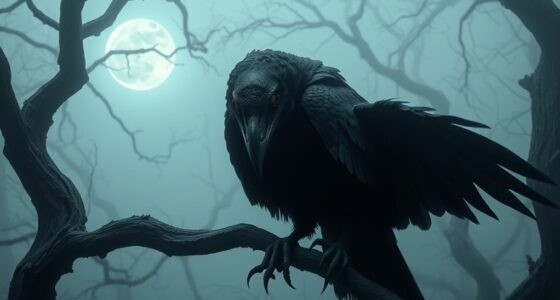
In German-speaking regions, the Tatzelwurm takes many forms, reflecting local fears and landscapes. You might see it as a snake-like creature with a feline face, sometimes with legs or claws, or even as a dragon or demonic figure. Its appearance varies based on regional legends, symbolizing guardianship or danger. These adaptations make the creature deeply rooted in local folklore. If you want to uncover more about this fascinating creature’s many forms, there’s plenty to explore.

Get school and study supplies delivered free — and shop member deals
- Fast, free delivery on millions of items
- Access to Prime Big Deal Days deals on October 6–7
- Prime Video, Amazon Music and more included
Key Takeaways
- The Tatzelwurm’s appearance varies regionally, from snake-like to dragon-like or demonic forms in German-speaking areas.
- Cultural influences and local fears shape its different descriptions across Austria, Switzerland, and southern Germany.
- Sightings often occur in remote, rugged landscapes, reinforcing its reputation as a mysterious guardian creature.
- Folklore reflects regional beliefs, with the Tatzelwurm symbolizing natural forces, guardianship, or prehistoric survival.
- Its adaptable myth emphasizes its role as a cultural symbol, with many forms evolving over centuries in local stories.
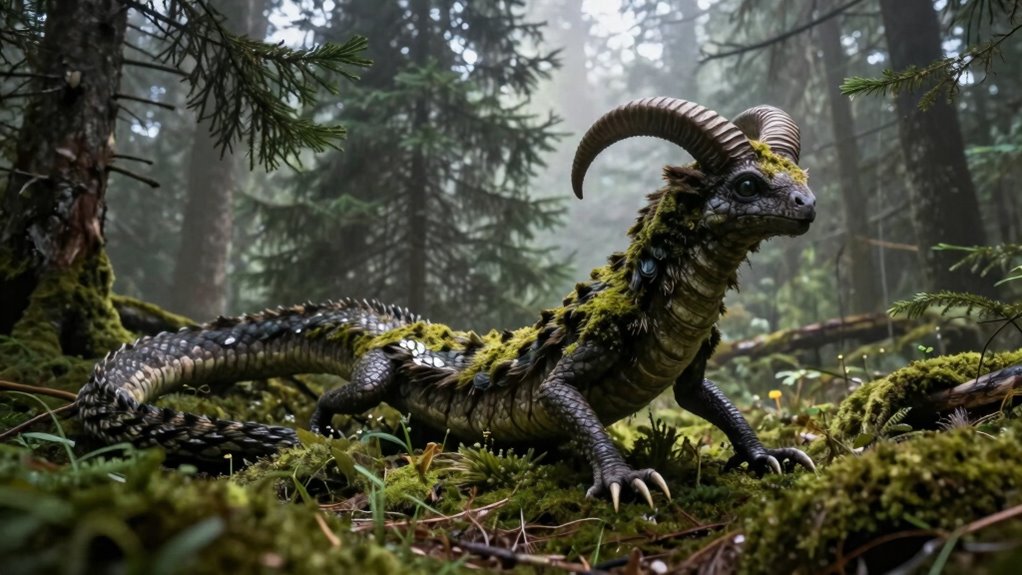
In the German-speaking regions of Europe, the Tatzelwurm remains a mesmerizing legend that has intrigued locals for centuries. This mysterious creature’s origins are shrouded in cryptid lore, sparking countless stories and sightings that blend fact and myth. You might wonder where this legend began, and the truth is, its cryptid origins are difficult to trace definitively. Some believe the Tatzelwurm’s roots stretch back to ancient times, possibly linked to pre-Christian tales of serpentine monsters guarding sacred sites or representing natural forces. Over centuries, these stories evolved, influenced by local cultures, fears, and imaginations. As a result, the Tatzelwurm’s story isn’t static; it’s a living legend that adapts to regional beliefs and storytelling traditions.
When exploring the creature’s regional variations, you’ll find that descriptions differ depending on the area. In the Alpine regions of Austria and Switzerland, the Tatzelwurm often appears as a snake-like creature with a feline face, sometimes with legs or claws, sometimes without. Its size varies, but it’s generally depicted as a creature that can slither swiftly through rocky terrain or hide in dense forests. In some stories, it’s seen as a guardian of hidden treasures or sacred sites, adding an element of mystique and danger. Moving into the German-speaking parts of southern Germany and the Vosges Mountains, the creature takes on more serpentine qualities, sometimes described as a dragon or a lizard with a fierce, almost demonic appearance. These regional differences reflect local fears, topography, and cultural influences, making the Tatzelwurm a versatile symbol woven into local folklore.
You’ll also notice that sightings, whether recent or centuries old, often share common themes: the creature lurking in remote, rugged landscapes, appearing unexpectedly to those who venture into its territory. Its cryptid origins lend it an air of mystery that fuels local legends and tourist stories alike. Whether the Tatzelwurm is a surviving prehistoric creature, a supernatural guardian, or simply a product of collective imagination, it remains a fascinating part of regional identity. Additionally, cryptid lore demonstrates how folklore can serve as a reflection of cultural fears and beliefs, shaping regional legends over generations. By understanding these variations and origins, you gain a deeper appreciation for how folklore evolves and how a creature like the Tatzelwurm continues to captivate the minds of those who live in the shadowy corners of Europe’s mountains.
mythical creature figurines Tatzelwurm
As an affiliate, we earn on qualifying purchases.
As an affiliate, we earn on qualifying purchases.
Frequently Asked Questions
What Is the Origin of the Tatzelwurm Legend?
You might find that the origin of the tatzelwurm legend stems from cryptid symbolism, representing fears of the unknown in alpine folklore. Its tales evolved over time, blending local beliefs and sightings into a mythic creature. As folklore evolved, the tatzelwurm became a symbol of mystery and danger, reflecting humanity’s attempt to explain strange encounters in remote mountain regions. This legend continues to intrigue, embodying the evolving nature of folklore and cryptid stories.
Are There Any Recent Sightings of the Tatzelwurm?
Like shadows dancing at dusk, recent Tatzelwurm sightings flicker in the folklore’s twilight. While some locals claim to have glimpsed these mysterious creatures, skeptics argue these reports lack solid proof, questioning their folklore authenticity. You might hear hushed tales around campfires or see blurry photos, but concrete evidence remains elusive. These stories persist, fueling the legend’s mystery, keeping the Tatzelwurm alive in the collective imagination.
How Do Local Cultures Interpret the Creature’s Existence?
You see, local cultures interpret the Tatzelwurm through the lens of cryptid mythology and cultural symbolism. Some believe it’s a guardian spirit or a symbol of nature’s mystery, while others see it as a warning or a protector. These interpretations reflect regional beliefs and folklore, shaping how they view the creature’s existence—either as a mystical being or a legendary symbol rooted in their cultural identity.
Has Scientific Research Ever Confirmed the Tatzelwurm’s Existence?
You won’t find scientific proof of the Tatzelwurm, despite countless cryptid hoaxes and folklore evolution attempts. Researchers have investigated mysterious sightings, but no concrete evidence ever emerged. The creature remains a product of local legends and imagination, cleverly fueled by storytelling and skepticism alike. So, if you’re hoping for a scientific breakthrough, you’ll be waiting longer than the creature’s many elusive forms.
Are There Similar Creatures in Other Cultures’ Folklore?
You’ll find that many cultures have mythical serpents similar to the Tatzelwurm. For example, in Chinese folklore, there’s the dragon, a revered creature often associated with power and wisdom. In European legends, the Lindworm resembles the Tatzelwurm, with serpentine bodies and sometimes wings. Folklore comparisons reveal that these mythical serpents symbolize chaos, protection, or transformation across different traditions, showing a universal fascination with serpent-like creatures.
cryptid lore books German legends
As an affiliate, we earn on qualifying purchases.
As an affiliate, we earn on qualifying purchases.
Conclusion
As you explore the legends of the Tatzelwurm, imagine stumbling upon a misty mountain trail and catching sight of a serpentine creature, its body blending with the rocky terrain. Whether it’s a creature of myth or a misunderstood animal, the Tatzelwurm’s many forms reflect the rich tapestry of German-speaking folklore. These stories remind you that sometimes, the most mysterious creatures are the ones lurking just beyond your sight, waiting to be discovered.
fantasy creature plush Tatzelwurm
As an affiliate, we earn on qualifying purchases.
As an affiliate, we earn on qualifying purchases.
folklore themed jewelry Tatzelwurm
As an affiliate, we earn on qualifying purchases.
As an affiliate, we earn on qualifying purchases.
Halloween Picks
halloween
As an affiliate, we earn on qualifying purchases.