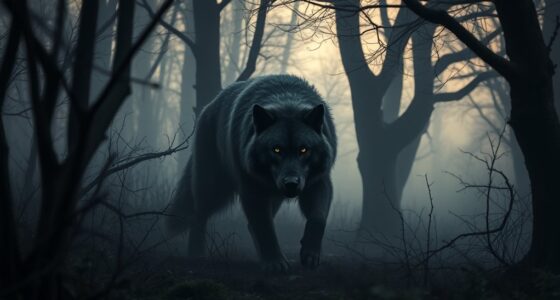
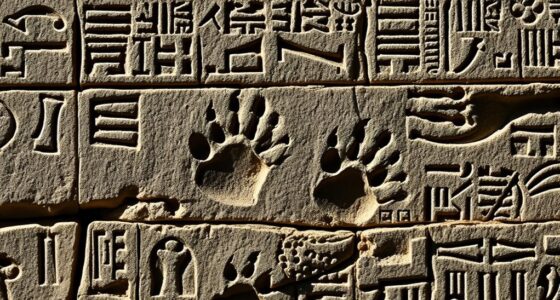
Ancient artifacts often appear in monster stories because they represent powerful objects that unleash dark, hidden forces. You see, these relics embody myths, cosmic energies, and fears of what’s unknown, making them natural catalysts for chaos. They symbolize humanity’s hubris and curiosity, often unlocking ancient evils when disturbed. If you want to know how these relics deepen the mythic tension and reflect cultural fears, keep exploring these mysterious objects’ secrets.

Get school and study supplies delivered free — and shop member deals
- Fast, free delivery on millions of items
- Access to Prime Big Deal Days deals on October 6–7
- Prime Video, Amazon Music and more included
Key Takeaways
- Ancient artifacts act as gateways to mythic worlds, releasing supernatural forces or awakening monsters when uncovered.
- They embody cosmic or divine power, making them natural catalysts for unleashing ancient terrors in stories.
- Artifacts symbolize forbidden knowledge and hubris, illustrating the danger of human curiosity and the pursuit of dangerous secrets.
- Their mysterious origins and cultural significance heighten narrative tension, linking history, myth, and supernatural horror.
- The recurring theme of relics unleashing chaos reflects fears about humanity’s limits and meddling with forces beyond understanding.

Throughout monster stories, ancient artifacts often serve as powerful catalysts that release hidden forces or awaken long-forgotten terrors. These objects act as gateways to the unknown, pulling heroes and adventurers into worlds where mythic discoveries and historical mysteries collide. You’ve likely seen this pattern before: a seemingly innocuous relic, buried deep beneath layers of time, suddenly becomes the focus of danger when uncovered. It’s no coincidence that storytellers keep returning to these artifacts—they are the perfect keys for opening the universe’s darkest secrets.
Ancient artifacts unlock dark secrets, unleashing mythic terrors and revealing humanity’s perilous quest for forbidden knowledge.
You might wonder why these relics carry such weight. The answer lies in their connection to mythic discoveries, which tap into ancient beliefs and legends. These artifacts often embody the power of gods, monsters, or cosmic forces, making them inherently dangerous once disturbed. When characters stumble upon them, they unwittingly unleash ancient energies long sealed away, revealing a universe where myth and reality intertwine. This blending of mythic discoveries with historical mysteries creates a compelling narrative tension: the question of whether these relics are mere objects or vessels of profound, often malevolent, power.
In many stories, the allure of ancient artifacts is rooted in their historical mystery. These relics are not just relics; they’re puzzles, repositories of lost civilizations, or containers of knowledge that humanity was never meant to access. Their mysterious origins and the secrets they guard fuel the curiosity that drives explorers into perilous adventures. But as soon as these relics are touched or disturbed, the stories spiral into chaos. The ancient evil or creature they unleash isn’t just a monster; it’s a manifestation of humanity’s hubris or a reminder of forgotten civilizations’ power. The cultural fears embedded in these artifacts often reflect universal anxieties about the unknown and the limits of human understanding. Additionally, the archaeological significance of these items often enhances their mystique, making them objects of obsession and danger. Every discovery of such relics resonates deeply with cosmic truths, emphasizing the idea that humanity’s pursuit of knowledge can lead to unforeseen consequences. These artifacts often serve as cultural symbols, representing warnings from ancient civilizations about the dangers of meddling with forces beyond comprehension. Furthermore, their connection to mythic beliefs underscores their role as symbols of divine or supernatural power, heightening their importance in storytelling. The recurring motif is that humanity’s pursuit of knowledge or power through these relics can unleash forces beyond understanding. This is why they’re so appealing in monster narratives: they encapsulate the thrill of discovery intertwined with the danger of the unknown. The ancient artifacts symbolize the thin line between curiosity and catastrophe, making every mythic discovery a potential catastrophe waiting to happen.
As an affiliate, we earn on qualifying purchases.
Frequently Asked Questions
How Do Ancient Artifacts Influence Modern Monster Stories?
Ancient artifacts influence modern monster stories through artifact symbolism and mythical symbolism, which evoke mystery and power. You see these artifacts as gateways to the unknown, fueling stories about monsters guarding or emerging from ancient relics. Their symbolic significance taps into collective fears and fascination with the past, making monsters more compelling. This connection between artifacts and mythical symbolism helps create stories that feel rooted in history yet evoke primal fears.
Are There Real Ancient Artifacts Linked to Mythical Creatures?
Think of ancient artifacts as keys to mythic worlds, and yes, some are linked to mythical creatures through ancient symbolism. For instance, the Sumerian Bull-Headed Lyre or Egyptian amulets depicting gods with animal features reveal how ancient societies embedded mythical symbolism into real objects. These artifacts serve as tangible whispers of legendary beings, fueling modern stories and blurring the line between history and myth.
What Cultural Beliefs Shape Artifacts’ Roles in Monster Narratives?
Cultural symbolism and superstitious beliefs shape how artifacts play roles in monster stories. You see, ancient societies assigned spiritual or protective powers to objects, believing they influenced good or evil forces. When storytellers incorporate these artifacts, they tap into deep-seated fears or hopes rooted in tradition. This connection makes the artifacts feel more real, intensifying the myth and fueling narratives that link monsters to the mysterious powers of ancient relics.
Do Museums Intentionally Associate Artifacts With Monsters?
Like Pandora’s box, museums sometimes intentionally link artifacts with monsters to spark curiosity and attract visitors, fueling a mythic symbolism that captivates the imagination. This practice can lead to museum controversy, as some argue it sensationalizes history. While not always deliberate, the association often plays on deep-rooted fears and fascination with the unknown, blending myth and reality to create compelling stories that resonate beyond mere preservation.
How Do Fictional Stories Impact the Perception of Real Artifacts?
Fictional stories shape your perception of real artifacts by blending cryptic symbolism and mythological interpretations, making ancient objects seem more mysterious or dangerous. When stories portray artifacts as linked to monsters or gods, you start to see them through a lens of myth and legend, which can overshadow their historical significance. This storytelling influences your understanding, often amplifying the allure and mystique of these artifacts beyond their true cultural context.
As an affiliate, we earn on qualifying purchases.
Conclusion
So, next time you see ancient artifacts linked to monsters in stories, remember it’s more than just a spooky tale. These relics symbolize mystery, power, and the unknown—things humans have always been drawn to. By weaving them into monster narratives, storytellers tap into deep-rooted fears and curiosity. It’s a classic case of the pot calling the kettle black; we’re fascinated by what we don’t fully understand. After all, every legend has a grain of truth.
As an affiliate, we earn on qualifying purchases.
As an affiliate, we earn on qualifying purchases.
Fall Picks
fall essentials
As an affiliate, we earn on qualifying purchases.