Spontaneous human combustion is widely regarded as a myth by scientists and experts, with no credible evidence supporting that people can catch fire unexpectedly without an external ignition source. Most cases are explained by overlooked factors like cigarettes, flammable clothing, or accidental fires rather than true spontaneous ignition. While sensational stories exist, scientific investigations consistently favor mundane explanations over spontaneous combustion. If you want to understand the truth behind these claims, there’s more to uncover that clarifies this intriguing phenomenon.

Get school and study supplies delivered free — and shop member deals
- Fast, free delivery on millions of items
- Access to Prime Big Deal Days deals on October 6–7
- Prime Video, Amazon Music and more included
Key Takeaways
- Scientific evidence supporting true spontaneous human combustion is lacking; most cases have identifiable external causes.
- Experts generally consider SHC a myth due to the body’s low flammability and improbable conditions for ignition.
- Many alleged SHC cases are explained by accidental fires, smoking, or flammable clothing rather than spontaneous ignition.
- Media sensationalism has fueled public misconceptions, but scientific consensus views SHC as highly unlikely.
- Overall, spontaneous human combustion is regarded as fiction rather than a factual phenomenon.
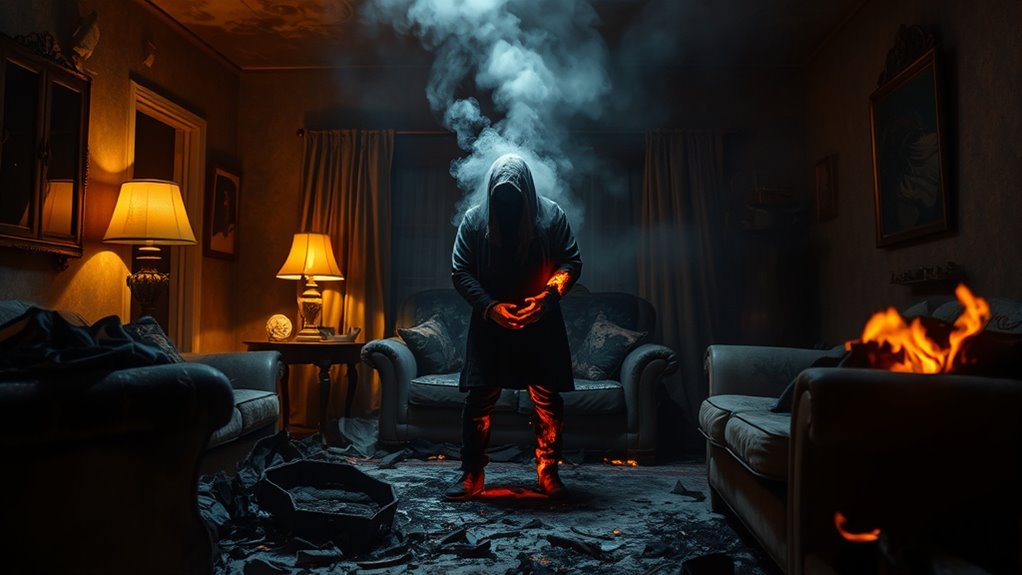
Have you ever wondered how a person can suddenly burst into flames without an apparent external source? This baffling phenomenon, often called spontaneous human combustion, has fascinated and horrified people for centuries. It appears as a fire phenomenon where a human body ignites seemingly out of nowhere, leaving little evidence of external ignition sources like matches, cigarettes, or open flames. The idea is unsettling because it challenges our understanding of how fires start and spread. As you explore this mystery, you’ll find that many experts approach it with scientific skepticism, questioning the plausibility of spontaneous combustion as a genuine scientific occurrence. Skeptics argue that natural explanations, such as accidental fires, alcohol consumption, or other external causes, better account for these cases. They emphasize that the human body is not a combustible material in itself, and for spontaneous human combustion to occur, specific conditions would have to align in highly improbable ways.
Fire phenomena, like any other, depend on the presence of fuel, heat, and oxygen. In most cases, these elements are easily identified in typical house fires or accidents. The idea of a body igniting without a clear external trigger defies the basic principles of combustion science. Many scientists believe that what appears to be spontaneous combustion is often caused by overlooked factors—like a lit cigarette, a nearby flame, or flammable clothing catching fire. In some cases, the fire may start in a small, unnoticed way and then consume the body due to the presence of flammable substances, such as alcohol or grease. These substances can make a fire burn more intensely and spread quickly, giving the illusion that the fire started spontaneously. Additionally, combustion science helps explain how fires typically begin and why spontaneous ignition is highly unlikely under normal conditions.
Despite numerous reports and stories, no conclusive scientific evidence supports the existence of spontaneous human combustion. Researchers have studied cases where people reportedly burst into flames, and in almost all instances, they find reasonable external causes or inadequate investigations. The rarity of these cases, combined with the lack of replicable scientific data, fuels the skepticism around the phenomenon. Critics argue that the media often sensationalizes such stories, creating a myth that persists despite scientific evidence pointing toward more mundane explanations. As you consider the mystery, it’s important to weigh the evidence carefully and recognize that, while the idea of spontaneous human combustion makes for enthralling stories, it remains highly controversial and widely regarded as implausible within the scientific community.
As an affiliate, we earn on qualifying purchases.
Frequently Asked Questions
Has Any Verified Case of Spontaneous Human Combustion Been Scientifically Confirmed?
You’ll find that no verified case of spontaneous human combustion has been scientifically confirmed. Most historical cases are myth debunking, with explanations like accidental fires or external sources of ignition. Experts analyze these incidents and conclude they often involve external factors rather than true spontaneous combustion. While intriguing, these stories lack solid scientific evidence, making spontaneous human combustion more of a myth than a scientifically proven phenomenon.
What Are the Leading Scientific Theories Explaining Spontaneous Human Combustion?
The leading scientific theories suggest spontaneous human combustion results from the oxidation process, where body fat ignites due to a small external heat source, like a cigarette. Alcohol consumption can increase flammability, making ignition more likely. You might find that these factors, combined with poor insulation or clothing, explain such cases without needing to invoke supernatural causes. Although intriguing, these theories remain speculative with limited conclusive evidence.
Are There Any Known Medical Conditions Linked to Spontaneous Human Combustion Incidents?
You might think medical conditions cause spontaneous human combustion, but there’s no solid proof. Some burn injuries are linked to medical anomalies like epilepsy or metabolic disorders, which could potentially increase fire risk. However, most cases lack clear medical explanations. While certain medical anomalies might contribute, they don’t definitively explain spontaneous combustion incidents. So, you’re unlikely to find a direct, consistent link between specific conditions and these mysterious burns.
How Often Do Spontaneous Human Combustion Cases Occur Worldwide?
Spontaneous human combustion incidents are incredibly rare, with only about 200 cases reported worldwide over the past century. The fire risk in these incidents seems minimal, as they happen unexpectedly and without clear warning signs. You’re unlikely to encounter such cases often, and their incident frequency remains extremely low. Most experts consider spontaneous combustion to be a highly improbable event, making it a fascinating but infrequent phenomenon.
Can Spontaneous Human Combustion Be Prevented or Predicted?
You can’t currently prevent or predict spontaneous human combustion with absolute certainty. Researchers look for predictive markers like alcohol consumption or smoking habits, which might increase risk, but no definitive signs exist. Preventive measures focus on reducing fire hazards around individuals with known risk factors. While ongoing studies aim to identify clearer indicators, spontaneous combustion remains largely unpredictable, making awareness and safety precautions your best defense.
fireproof clothing for firefighters
As an affiliate, we earn on qualifying purchases.
As an affiliate, we earn on qualifying purchases.
Conclusion
So, is spontaneous human combustion real or just a wild myth? While the evidence is shaky at best, the stories continue to captivate and mystify us, like a ghost story that refuses to die. You might think it’s just folklore, but the possibility of such a bizarre phenomenon lurking in the shadows keeps your curiosity burning brighter than a thousand suns. Keep questioning, because sometimes the truth is stranger than fiction!
As an affiliate, we earn on qualifying purchases.
As an affiliate, we earn on qualifying purchases.
Halloween Picks
halloween
As an affiliate, we earn on qualifying purchases.