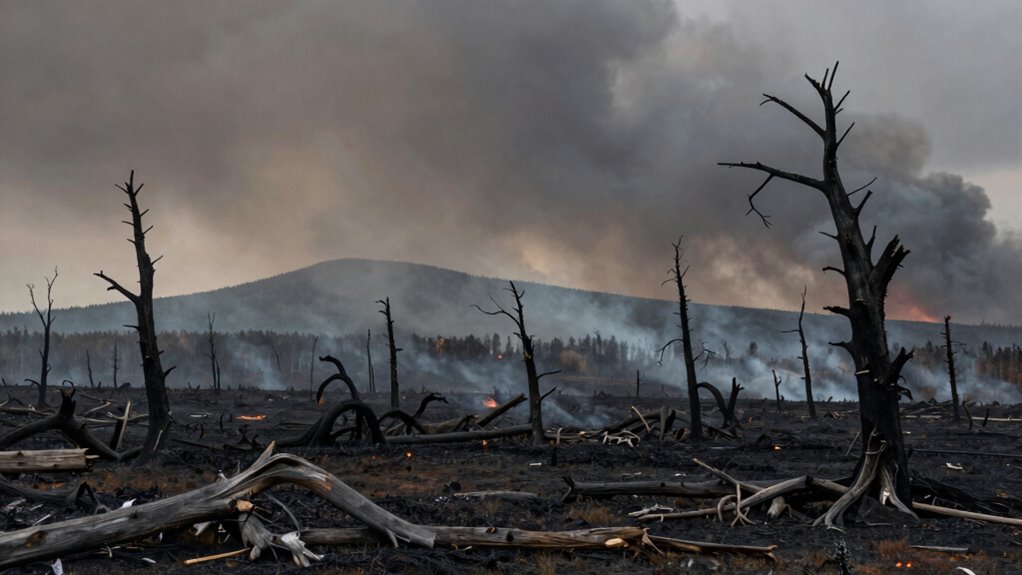

The Tunguska event of 1908 changed how you see cosmic threats, showcasing how an atmospheric explosion can devastate large areas without a ground impact. This explosion, comparable to thousands of Hiroshima bombs, triggered fears of space rocks causing global catastrophe. It also sparked myths and cultural fears about cosmic disasters, emphasizing Earth’s vulnerability. If you want to explore how this event influenced modern disaster myths and our space awareness, keep exploring this fascinating history.

Prime made for students and young adults
- Fast, free delivery for dorm and study essentials
- Prime Video and Amazon Music included
- Member-only deals
Key Takeaways
- The Tunguska Event’s massive explosion in 1908 highlighted Earth’s vulnerability to atmospheric cosmic impacts.
- It fueled public fears of sudden, catastrophic space object collisions causing global destruction.
- The event inspired myths portraying space rocks as apocalyptic threats to civilization.
- Scientific interest grew in monitoring near-Earth objects to prevent similar disasters.
- Tunguska became a symbol shaping modern cosmic disaster myths and space hazard awareness.
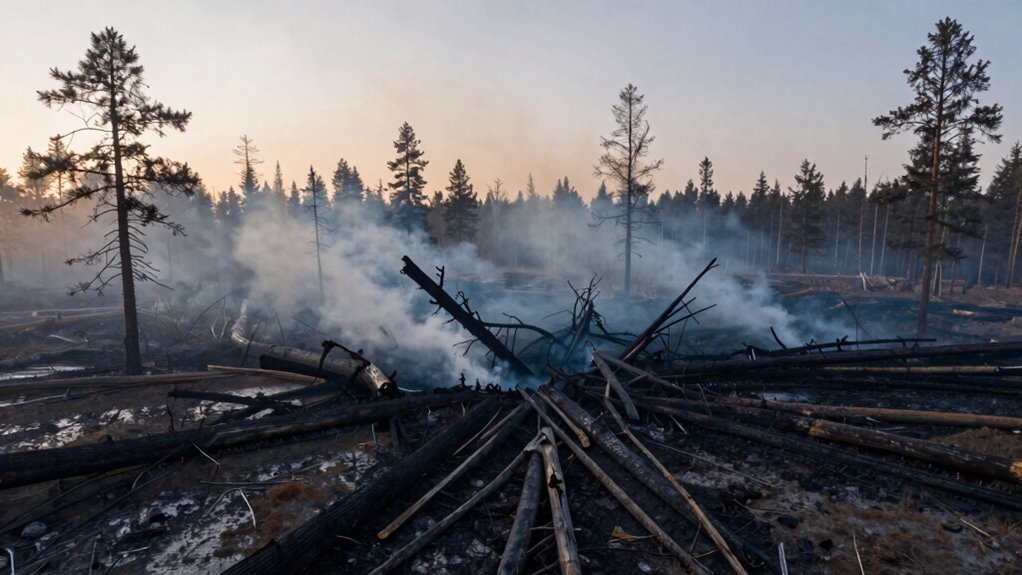
On the morning of June 30, 1908, a massive explosion erupted over the remote Tunguska region of Siberia, leveling an estimated 80 million trees and releasing energy equivalent to between 10 and 15 megatons of TNT. You might imagine this as a colossal meteor impact, but what truly caused the destruction was an atmospheric explosion. Instead of striking the ground, a meteoroid entered Earth’s atmosphere at incredible speed, exploding in mid-air before reaching the surface. This atmospheric explosion unleashed a shockwave that flattened vast stretches of forest, creating a scene more akin to a nuclear blast than a typical impact.
A massive atmospheric explosion in Siberia flattened forests, releasing energy comparable to a nuclear blast but never reaching the ground.
As you study this event, you realize how it transformed the way people viewed cosmic threats. The Tunguska explosion wasn’t just a localized disaster; it became a symbol of the destructive power lurking in space. Its sudden, dramatic nature fueled fears of future impacts, and stories quickly spread about cosmic catastrophes. The idea of a small space object causing such widespread devastation became ingrained in the collective imagination, giving rise to cosmic disaster myths. These myths suggest that Earth is constantly under threat from space rocks, and that a large impact could wipe out civilizations or even the planet itself.
You see how the meteor impact, combined with the atmospheric explosion, captured the public’s imagination. The explosion’s force was equivalent to thousands of Hiroshima bombs, yet it occurred in an unpopulated wilderness, leaving little immediate human tragedy but a lasting impression. The event prompted scientists to consider the dangers posed by near-Earth objects and to develop ways to monitor space for incoming meteoroids. Still, the myth persists that a sudden cosmic impact could cause global catastrophe, even though such events are rare.
In addition, the Tunguska event highlighted the importance of space monitoring and early warning systems to prevent future disasters. The Tunguska event served as a wake-up call that humanity must understand the threat from space. It demonstrated how a meteor impact, exploding in the atmosphere, could cause widespread destruction without ever hitting the ground. Over time, this event fueled stories and fears about cosmic disasters, influencing popular culture and scientific pursuits alike. Today, you recognize the Tunguska event not just as a remarkable scientific anomaly, but as the birth of modern cosmic disaster myths—reminding us of the fragile boundary between Earth and the vast, unpredictable cosmos.
near-Earth object monitoring kit
As an affiliate, we earn on qualifying purchases.
As an affiliate, we earn on qualifying purchases.
Frequently Asked Questions
Were Any Extraterrestrial Beings Involved in the Tunguska Event?
No, there’s no solid evidence of extraterrestrial contact involved in the Tunguska event. Alien theories suggest some might believe aliens caused it, but scientists agree it was likely a meteoroid or comet explosion. You might find these theories intriguing, but current research supports a natural celestial origin. So, while extraterrestrial beings are a popular speculation, the scientific consensus favors a cosmic explosion rather than alien intervention.
Could the Tunguska Explosion Have Caused Long-Term Environmental Effects?
Yes, the Tunguska explosion likely caused some long-term environmental effects, though limited. You might notice the environmental aftermath in the altered landscape and disrupted ecosystems. However, ecological resilience played a crucial role in recovery, with flora and fauna gradually rebounding over time. While the immediate blast was massive, nature’s resilience helped restore the environment, minimizing lasting damage and allowing ecosystems to adapt and recover in the years following the event.
How Did the Tunguska Event Influence Modern Asteroid Impact Protocols?
You see, the Tunguska event, which flattened 80 million trees over 830 square miles, profoundly shaped modern impact protocols. It highlighted how space debris can cause massive destruction, prompting scientists to develop impact mitigation strategies. Today, this event influences asteroid tracking efforts, public awareness campaigns, and planetary defense initiatives, ensuring we’re better prepared to prevent or respond to potential cosmic disasters.
Were There Any Lost Civilizations Affected by the Tunguska Blast?
No, there’s no evidence that any lost civilizations were directly affected by the Tunguska blast. You won’t find ancient artifacts or cultural myths linking the event to a specific civilization’s decline. Instead, the event inspired modern theories and stories about cosmic impacts. While it’s fascinating, current research shows it mostly impacted local landscapes and local legends, rather than causing widespread cultural upheaval or affecting lost civilizations.
Did the Event Influence the Development of Early Science Fiction Stories?
You’ll find that the Tunguska event did influence early science fiction stories, fueling alien conspiracies and mythical origins of cosmic threats. Writers imagined extraterrestrial or supernatural causes, weaving them into tales of cosmic disaster. This event’s mysterious nature sparked ideas that aliens or otherworldly forces might threaten Earth, shaping sci-fi narratives. Its impact persists today, inspiring stories that blend myth with science, highlighting humanity’s fascination with the unknown.
As an affiliate, we earn on qualifying purchases.
Conclusion
As you reflect on the Tunguska event, it’s clear how a single cosmic spark can ignite a wildfire of myths and fears. Like a stone thrown into a still pond, its ripples spread far and wide, shaping our stories about the universe’s dangers. You realize that these myths aren’t just tales—they’re echoes of our awe and anxiety about the unknown. In the end, the sky’s mysteries continue to whisper, stirring our imagination and caution alike.
As an affiliate, we earn on qualifying purchases.
As an affiliate, we earn on qualifying purchases.
Columbus Day / Indigenous Peoples' Day Picks
long weekend sales
As an affiliate, we earn on qualifying purchases.