
TL;DR
Listen free for 30 days with Audible
Thousands of audiobooks and originals — cancel anytime.
Start your free trialAs an affiliate, we earn on qualifying purchases.
Wildfires in Canada have led to a sharp increase in airborne pollutants across the US. Authorities have issued health advisories as air quality worsens, but the full health impact remains under assessment.
Air quality across several US regions has significantly worsened due to ongoing wildfires in Canada, prompting health advisories and environmental concerns. Authorities confirm that smoke and particulate matter have traveled southward, impacting millions of residents and raising urgent public health issues. For more on air quality management, see our guide to best iPad options for students.
According to the Environmental Protection Agency (EPA), air quality indices (AQI) in major cities such as New York, Chicago, and Boston have reached levels classified as ‘Unhealthy’ or ‘Very Unhealthy’ as of April 27, 2026. This deterioration is attributed to smoke and fine particulate matter originating from wildfires burning across Canada, particularly in the provinces of Alberta and British Columbia.
Canadian officials confirm that the wildfires are currently active, with over 200 fires reported across the country, driven by dry conditions and heatwaves. If you’re concerned about indoor air quality, check out our recommendations for air purifiers for fog-heavy rooms. The fires have been ongoing for several weeks, with some regions experiencing their worst fire season in recent history. Canadian authorities have issued evacuation orders and are deploying firefighting resources to contain the blazes.
US health agencies have issued air quality warnings urging vulnerable populations—such as children, the elderly, and those with respiratory conditions—to limit outdoor activities. For specific solutions, see our list of air purifiers for haunted setups. Hospitals report an uptick in respiratory complaints, although no severe health crises have been officially linked to the smoke exposure so far.
Implications for Public Health and Environment
This development underscores the transboundary impact of wildfires, highlighting how environmental events in one country can directly affect public health and air quality in neighboring regions. The situation raises concerns about the increasing frequency and severity of wildfires due to climate change, and the need for coordinated international response and preparedness strategies.
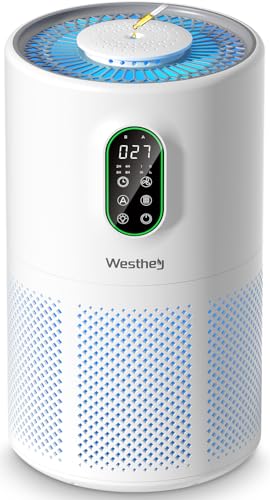
WESTHEY H13 HEPA Air Purifier for Home up to 1650 Sq Ft Washable Pre-Filter
- 360° Surround Air Intake: Covers up to 1650 sq ft efficiently
- High-Efficiency H13 HEPA Filter: Captures 99.98% of 0.3-micron particles
- Real-Time Air Quality Display: Shows PM2.5 levels with color indicators
As an affiliate, we earn on qualifying purchases.
As an affiliate, we earn on qualifying purchases.
Recent Trends in Canadian Wildfires and US Air Quality
Wildfires in Canada have been intensifying over the past decade, driven by hotter, drier conditions linked to climate change. In 2026, the fire season has been particularly severe, with over 2,500 square miles burned so far, surpassing previous records. The smoke from these fires has historically drifted south, but recent weather patterns have caused more widespread and persistent air quality issues across the US.
Previous incidents in 2021 and 2023 also saw similar impacts, but the current situation appears more severe, with the AQI reaching hazardous levels in multiple cities. Experts warn that such events could become more frequent if climate trends continue unchecked.
“The current air quality levels are concerning and require immediate public health action. We are closely monitoring the situation and providing guidance to affected communities.”
— EPA spokesperson

MOOKA Air Purifier for Home Bedroom Large Room 2200 Ft², True HEPA Filter
- Enhanced Pet Hair & Odor Removal: Larger air inlets for better pet hair capture
- Large Coverage Area: Cleans up to 2200 sq ft per hour
- Real-Time Air Quality Monitoring: Built-in PM2.5 sensor with digital display
As an affiliate, we earn on qualifying purchases.
As an affiliate, we earn on qualifying purchases.
Extent of Long-term Health and Environmental Impact
While current air quality levels are clearly hazardous, it is not yet fully understood how prolonged exposure will affect public health, especially in vulnerable populations. The long-term environmental impact of the smoke and particulate matter on ecosystems and climate remains under study, with scientists emphasizing the need for ongoing research.

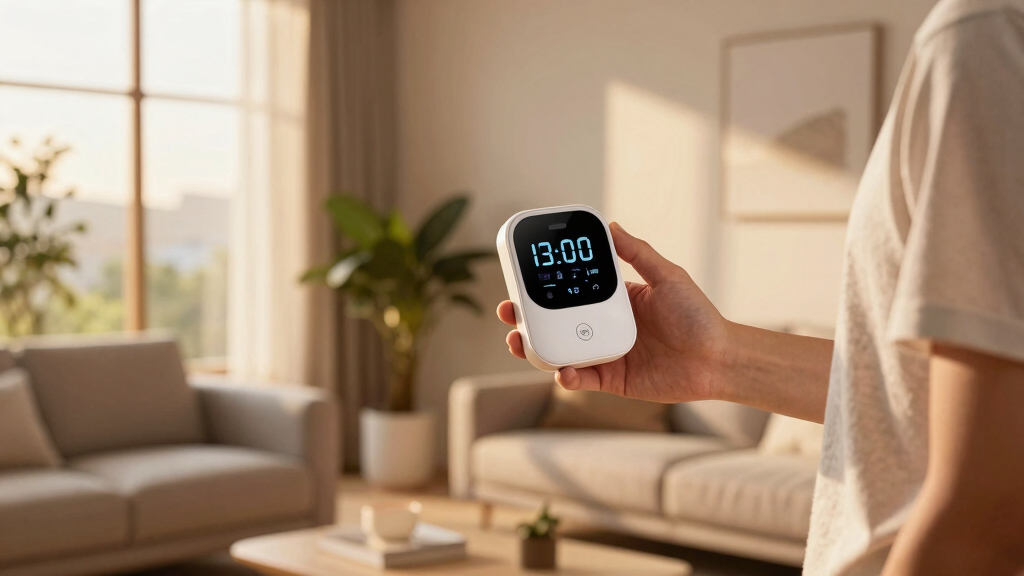
16 in 1 Air Quality Monitor Indoor 7" Wildfire CO2 Monitor, 9 AQI+7 Alerts
- 16-in-1 Air Quality Monitoring: Detects 9 key air parameters and 7 AQI alerts
- Large 7-inch LED Display: Clear, instant air quality readings with adjustable brightness
- High-Precision External Sensors: Accurate to 0.001 units for reliable detection
As an affiliate, we earn on qualifying purchases.
As an affiliate, we earn on qualifying purchases.
Monitoring, Response, and Future Preparedness
Authorities in both Canada and the US will continue monitoring air quality levels and wildfire activity. Expect updated health advisories and potential restrictions on outdoor activities. Efforts to improve firefighting capacity and climate resilience are also likely to be prioritized in the coming months, alongside ongoing research into the long-term effects of wildfire smoke exposure.
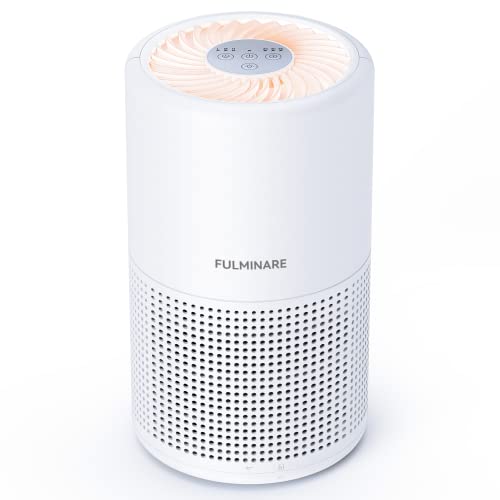
Air Purifiers for Bedroom, FULMINARE H13 True HEPA Filter
- Efficient Particle Filtration: H13 HEPA filter for clean air
- High Circulation Rate: Refreshes air 5x per hour in 215 ft² rooms
- 360° Air Outlet: Ensures even air distribution
As an affiliate, we earn on qualifying purchases.
As an affiliate, we earn on qualifying purchases.
Key Questions
How long will the poor air quality last?
It is uncertain how long the current air quality conditions will persist, as it depends on wildfire containment efforts and weather patterns. Authorities are monitoring the situation closely.
Who is most at risk from this air pollution?
Vulnerable groups include children, the elderly, and individuals with pre-existing respiratory or heart conditions. Public health agencies advise these populations to limit outdoor exposure.
Are there any health effects from short-term exposure?
Short-term exposure to high levels of particulate matter can cause respiratory irritation, coughing, and shortness of breath. Severe health impacts are less common but can occur in sensitive individuals.
What is being done to address the wildfires?
Canadian firefighting teams are actively working to contain the fires, with support from international partners. Efforts include evacuations, firefighting aircraft, and community safety measures.
Will climate change make these events more frequent?
Many scientists agree that climate change is increasing the frequency and severity of wildfires, which in turn impact air quality across borders. Addressing climate change is seen as essential to reducing future risks.
Source: google-trends
Back to school Picks
back to school
As an affiliate, we earn on qualifying purchases.