
TL;DR

Prime made for students and young adults
- Fast, free delivery for dorm and study essentials
- Prime Video and Amazon Music included
- Member-only deals
Illegal bomb fishing is rapidly destroying Indonesia’s coral reefs. Authorities confirm the practice is ongoing, with significant ecological damage reported. The issue raises concerns about enforcement and ecological preservation.
Indonesia’s coral reefs are under severe threat from illegal bomb fishing, according to recent reports from environmental agencies and local communities. This destructive practice involves using explosives to harvest fish, causing widespread damage to delicate reef ecosystems. The confirmed surge in bomb fishing highlights ongoing enforcement challenges and raises urgent concerns about ecological and economic impacts.
Environmental organizations and local authorities have documented a sharp increase in bomb fishing activities across several Indonesian provinces, including Bali, North Sulawesi, and the Riau Islands. This practice involves placing explosives underwater to stun or kill fish, making them easier to collect. While illegal, bomb fishing persists due to economic pressures, weak enforcement, and high demand for reef fish in local markets and export channels.
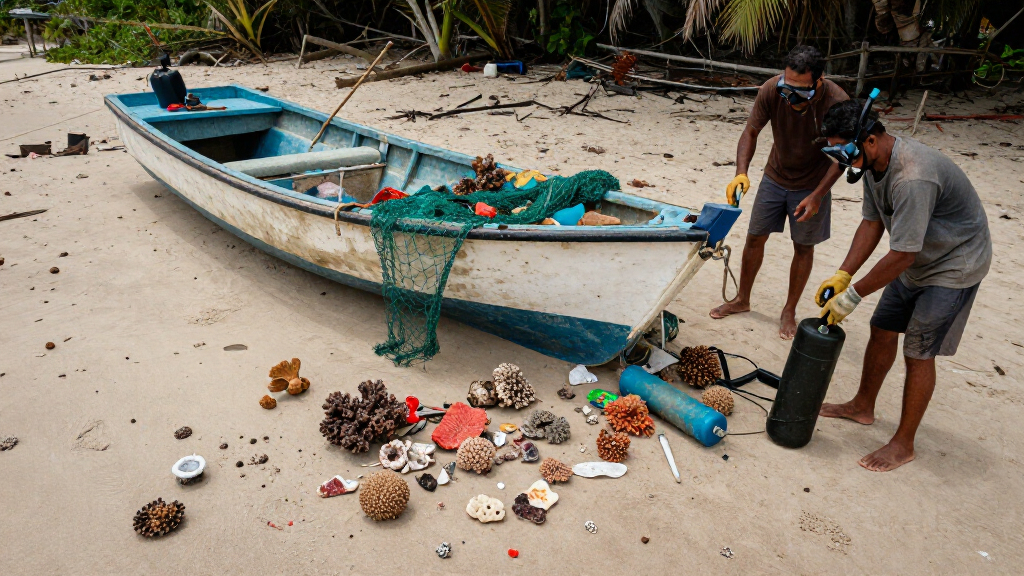
Confirmed reports indicate that extensive damage has been inflicted on coral structures, which are vital habitats for marine biodiversity. Experts from the Indonesian Institute of Sciences (LIPI) have stated that the explosions shatter coral formations, leading to long-term degradation of reef health. Local fishermen and conservationists have reported seeing reefs that were once vibrant now reduced to rubble, with fish populations sharply declining.
Authorities have conducted raids and seized explosive devices, but enforcement remains inconsistent. Officials acknowledge that resource limitations and corruption hinder comprehensive crackdowns, allowing illegal bomb fishing to continue in many areas. The practice is often linked to local poverty, with some fishermen resorting to bomb fishing as a quick income source.
Ecological and Economic Consequences of Reef Destruction
The destruction caused by bomb fishing threatens Indonesia’s rich marine biodiversity, which is crucial for the health of global ocean ecosystems. Coral reefs support an estimated 25% of all marine species and are vital for local fisheries, tourism, and coastal protection. The ongoing damage jeopardizes these economic activities, potentially leading to loss of livelihoods for thousands of fishermen and related industries. Moreover, reef degradation reduces natural barriers against storm surges, increasing vulnerability to climate-related disasters.
underwater coral reef protection equipment
As an affiliate, we earn on qualifying purchases.
As an affiliate, we earn on qualifying purchases.
Historical and Ongoing Challenges in Combatting Illegal Fishing
Indonesia, home to the world’s largest coral reef systems, has long struggled with illegal, unreported, and unregulated (IUU) fishing. Bomb fishing emerged decades ago as a destructive but effective method for small-scale fishermen seeking quick profits. Despite bans and international pressure, enforcement has often been weak, allowing the practice to persist. Recent years have seen increased global attention on marine conservation, but local enforcement remains inconsistent due to limited resources, corruption, and economic hardship.
In 2020, Indonesia declared a national crackdown on destructive fishing practices, including bomb fishing, but reports suggest that enforcement efforts have yet to fully stem the tide. The practice is often conducted in remote or poorly monitored areas, making detection difficult. International organizations, such as the World Wildlife Fund (WWF), have called for stronger policies and community-based solutions to address the root causes.
“The explosions from bomb fishing destroy coral structures that take decades to form, causing irreversible damage to our reefs.”
— Dr. Siti Nuraini, Marine Biologist at LIPI
marine ecosystem monitoring devices
As an affiliate, we earn on qualifying purchases.
As an affiliate, we earn on qualifying purchases.
Extent and Future of Bomb Fishing in Indonesia
While reports confirm that bomb fishing is ongoing and causing extensive reef damage, precise data on the current scale and geographic spread remains limited. It is unclear how effective recent enforcement actions have been in reducing the practice long-term, and whether new policies will succeed in eradicating it entirely. The full ecological recovery timeline is also uncertain, given the extent of destruction.
As an affiliate, we earn on qualifying purchases.
Next Steps for Enforcement and Reef Restoration
Authorities plan to increase patrols and impose stricter penalties on offenders, but resource limitations pose ongoing challenges. Conservation groups are advocating for community-based management programs and alternative livelihoods to reduce economic incentives for bomb fishing. Scientific assessments are underway to evaluate reef recovery prospects, with some areas showing signs of resilience if protection measures are strengthened.
As an affiliate, we earn on qualifying purchases.
Key Questions
How does bomb fishing damage coral reefs?
Bomb fishing involves using explosives underwater, which shatters coral structures and destroys habitats vital for marine life. This practice causes long-lasting ecological damage that can take decades to repair naturally.
Why do fishermen continue to use bomb fishing despite bans?
Many fishermen rely on bomb fishing because it is a quick and effective way to catch large quantities of fish. Economic hardship, lack of enforcement, and demand for reef fish contribute to its persistence.
What is being done to stop bomb fishing in Indonesia?
Authorities are increasing patrols and conducting raids, but enforcement challenges remain. Conservation organizations advocate for community involvement and alternative livelihoods to address root causes.
Can reefs recover from bomb fishing damage?
Reefs can recover if protected from further damage, but recovery depends on the extent of destruction and ongoing conservation efforts. Some reefs show signs of resilience with proper management.
How does bomb fishing affect local communities?
While it provides short-term income for fishermen, it ultimately harms fisheries and tourism, threatening long-term livelihoods and ecological health of coastal areas.
Source: hn
Halloween Picks
halloween
As an affiliate, we earn on qualifying purchases.