
TL;DR

Prime made for students and young adults
- Fast, free delivery for dorm and study essentials
- Prime Video and Amazon Music included
- Member-only deals
A Code Purple air quality alert has been issued in several U.S. regions amid elevated pollution levels. This alert signals increased health risks, especially for sensitive groups. The situation remains ongoing, with authorities monitoring air conditions closely.
Authorities have issued a Code Purple air quality alert across several U.S. regions, including parts of the Midwest and East Coast, due to dangerously high pollution levels. The alert, issued by local environmental agencies, indicates a significant health risk, especially for vulnerable populations such as children, the elderly, and those with pre-existing health conditions.
The Code Purple alert was triggered by air quality indices (AQI) exceeding 300 in multiple areas, according to data from the Environmental Protection Agency (EPA). Several cities, including parts of Pennsylvania, Wisconsin, and New Jersey, are under this alert, which warns residents to limit outdoor activities and take protective measures. The high AQI levels are attributed to a combination of wildfire smoke, industrial emissions, and stagnant weather conditions that trap pollutants near the ground.
Health officials emphasize that prolonged exposure to such poor air quality can cause respiratory problems, aggravate asthma, and increase cardiovascular risks. Hospitals in affected regions have reported an uptick in respiratory-related visits since the alert was issued. The alert is expected to remain in effect until air quality improves, with officials monitoring weather patterns and pollution sources continuously.
Implications for Public Health and Policy Responses
This Code Purple alert underscores the escalating health risks posed by deteriorating air quality, which is linked to climate change, industrial activity, and wildfire events. It highlights the importance of timely public health advisories and the need for policymakers to address pollution sources. Vulnerable populations face heightened risks, and the alert may lead to increased healthcare utilization and economic impacts due to outdoor activity restrictions.
Popular right now

Ninja DualZone 6-in-1 Air Fryer, 8-Qt, Grey, DZ801

Ninja Foodi 10-Qt DualZone Smart XL Air Fryer, 6-in-1, DZ550

TCL T7 Series 85-Inch 4K 144Hz QLED Smart Google TV
As an affiliate, we earn on qualifying purchases.
Recent Trends in Air Quality and Wildfire Impact
Over the past few weeks, several regions have experienced worsening air quality driven by a combination of wildfire smoke from western states and industrial emissions. The EPA’s AQI reports have shown multiple days of unhealthy levels, particularly during periods of stagnant weather. This trend has prompted multiple air quality alerts and has raised concerns about long-term health impacts and the need for more aggressive pollution mitigation efforts.
“The current air quality levels are dangerously high, and residents should follow health advisories to minimize exposure.”
— EPA spokesperson
Uncertain Duration and Future Air Quality Trends
It is not yet clear how long the Code Purple alert will remain in effect, as air quality depends on weather conditions, pollution sources, and wildfire activity. Forecasts suggest that improving weather patterns could reduce AQI levels within the next few days, but ongoing wildfire activity and industrial emissions may prolong the poor air quality conditions.
Monitoring, Public Guidance, and Policy Actions Moving Forward
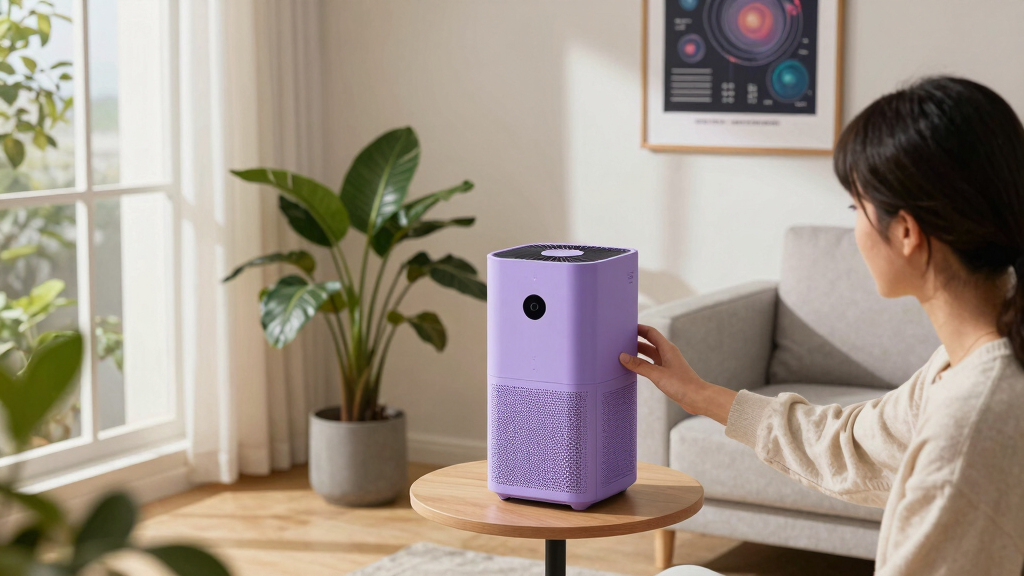
Authorities will continue to monitor air quality indices and issue updates as needed. Public health agencies are advising residents to stay indoors, use air purifiers if available, and avoid strenuous outdoor activities. Officials are also reviewing policies to reduce emissions and prepare for potential future pollution episodes, especially during wildfire season and high pollution periods.
Key Questions
What does a Code Purple air quality alert mean?
A Code Purple alert indicates that the air quality index (AQI) exceeds 300, which is classified as ‘hazardous.’ It signifies a serious health risk for everyone, especially vulnerable groups, and requires precautionary actions.
How long will the current air quality conditions last?
The duration depends on weather conditions, wildfire activity, and pollution sources. Authorities have not specified an exact end date, but monitoring will continue to guide public advisories.
What health risks are associated with this level of pollution?
High pollution levels can cause respiratory distress, worsen asthma, increase cardiovascular risks, and lead to other health issues, particularly in children, the elderly, and those with pre-existing conditions.
What precautions should residents take during a Code Purple alert?
Residents are advised to stay indoors, keep windows and doors closed, use air purifiers if available, and avoid outdoor physical activities until air quality improves.
Are there long-term health effects from repeated exposure to poor air quality?
Repeated exposure to high pollution levels can contribute to chronic respiratory and cardiovascular diseases, emphasizing the importance of pollution control and health monitoring.
Source: google-trends