
TL;DR

Prime made for students and young adults
- Fast, free delivery for dorm and study essentials
- Prime Video and Amazon Music included
- Member-only deals
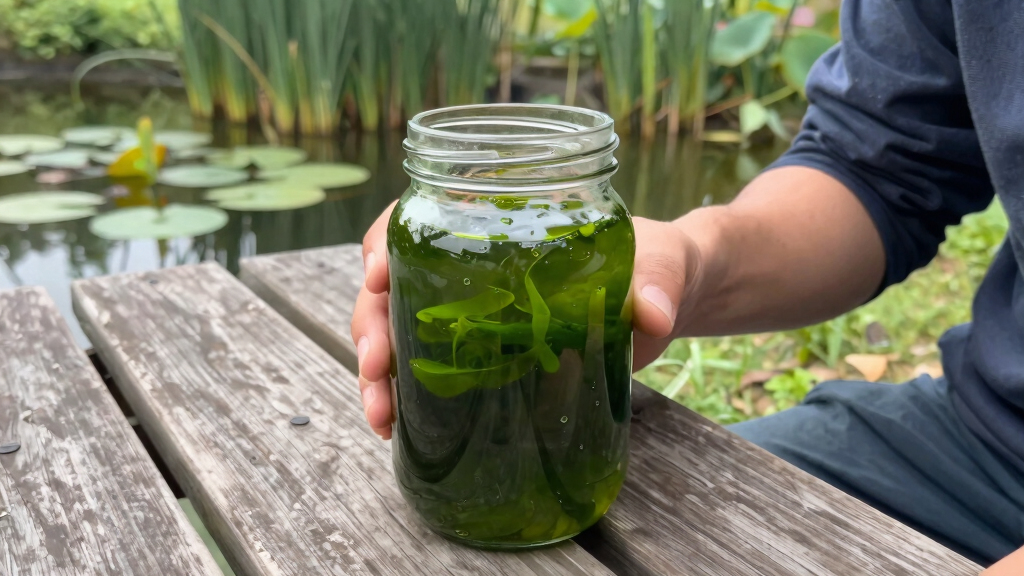
Scientists and cultural analysts are emphasizing the significance of algae in American history, economy, and culture. This shift aims to reframe algae from nuisance to national resource, with implications for sustainability and industry.
Reframing Algae’s Role in American Identity and Economy
This new perspective on algae underscores its potential to contribute to sustainable development and economic diversification in the U.S. It challenges long-held views of algae as mere pond scum, positioning it as a symbol of American ingenuity and resilience. Recognizing algae’s historical and future relevance could influence policy, research funding, and industry investment, ultimately shaping environmental and economic strategies. For consumers and industries alike, this shift could mean increased adoption of algae-based products, supporting sustainability goals and reducing reliance on fossil fuels. The cultural rebranding of algae also impacts environmental awareness, fostering a broader appreciation for natural resources that can be harnessed responsibly.As an affiliate, we earn on qualifying purchases.
Historical and Cultural Significance of Algae in America
Algae has long been part of American history, used by indigenous peoples for food and medicine long before European settlement. In the 19th and 20th centuries, algae-based products such as agar and carrageenan became staples in food and industrial applications. More recently, algae has gained attention as a renewable resource for biofuels and bioplastics amid growing concerns over climate change and environmental sustainability. The current discourse, amplified by media and scientific communities, seeks to elevate algae’s status from nuisance to necessity, reflecting broader shifts toward sustainable development. This narrative shift is also influenced by the increasing commercialization of algae farming and research into algae’s potential to reduce greenhouse gases.“Algae has been part of our history for centuries, and now it’s poised to be part of our future as a sustainable resource.”
— Dr. Emily Chen, Marine Biologist
As an affiliate, we earn on qualifying purchases.
Unconfirmed Aspects of Cultural and Economic Impact
It remains unclear how quickly public perception will shift and whether policy changes will support large-scale algae industries. The extent of algae’s integration into mainstream markets and cultural identity is still developing, and some critics question whether the current momentum will sustain long-term.As an affiliate, we earn on qualifying purchases.
Next Steps in Promoting Algae as a National Resource
Researchers, policymakers, and industry leaders are expected to collaborate on funding initiatives, regulatory frameworks, and public education campaigns to promote algae-based products. Further studies are planned to quantify algae’s environmental benefits and economic potential. Public perception campaigns may also be launched to reshape algae’s image from pond scum to a patriotic symbol of sustainability. Monitoring these developments over the coming months will clarify how quickly and effectively this cultural shift occurs.As an affiliate, we earn on qualifying purchases.
Key Questions
Why is algae now being called ‘E Pluribus Algae’?
The term ‘E Pluribus Algae’ is a play on the phrase ‘E Pluribus Unum,’ emphasizing how algae is becoming recognized as a unifying and valuable part of American identity and industry.
How could algae benefit the U.S. economy?
Algae has potential uses in biofuels, bioplastics, food additives, and pharmaceuticals, offering sustainable alternatives that could create jobs and reduce reliance on fossil fuels.
Is this shift in perception backed by scientific research?
Yes, recent studies highlight algae’s environmental benefits and economic viability, though widespread commercial adoption is still in progress.
What challenges remain for algae to become a mainstream resource?
Major challenges include scaling production, reducing costs, developing supportive policies, and changing public perceptions from pond scum to patriotic resource.
Source: google-trends
Fall Picks
fall essentials
As an affiliate, we earn on qualifying purchases.


![New AI Tutor Achieves 0.71-1.30 SD Effect Size In Dartmouth Course [Pdf]](https://whatifmonsters.com/wp-content/uploads/2026/07/new-ai-tutor-achieves-0-71-1-30-sd-effect-size-in-dartmouth-course-pdf-featured-560x300.jpg)