
TL;DR
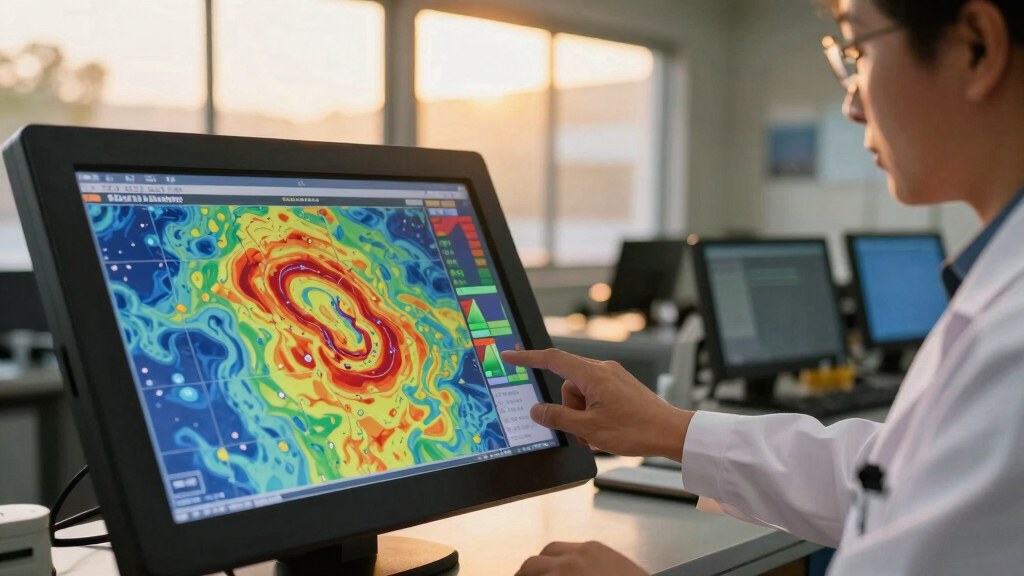
Global media coverage of El Nino has surged, with mentions increasing more than threefold. This heightened attention underscores growing concern about its potential climate impacts.
Global media coverage of El Nino has surged significantly, with recent reports indicating a more than threefold increase in mentions compared to typical levels, according to data from GDELT. This escalation highlights heightened international concern about the climate phenomena’s potential impacts.
According to GDELT, a global news database, El Nino was mentioned 19 times within a recent reporting window, representing a 3.4 times increase over the baseline. This surge in coverage reflects increased scientific attention and media focus on the phenomenon, which is known to influence weather patterns worldwide.
While the rise in mentions is confirmed, there is no indication yet of specific new developments in El Nino’s intensity or duration. Experts suggest that the media attention correlates with rising concerns about its potential effects on droughts, floods, and other extreme weather events globally.
Implications of Increased Media Focus on El Nino
The surge in media coverage matters because it signals growing public and governmental awareness of El Nino’s possible climate impacts. Heightened reporting can influence policy responses, resource allocation, and preparedness measures for weather-related disasters. It also reflects the scientific community’s increased efforts to communicate risks associated with climate variability.

Midland – WR120B – NOAA Emergency Weather Alert Radio – Localized Programming, Trilingual Display, 60+ Emergency Alerts, Alarm, Selectable Alert Tone
- NOAA Weather Scan & Alerts: Over 60 weather hazard alerts
- Localized S.A.M.E Programming: Set specific area codes
- Customizable Notification Settings: Alerts for 25 counties
As an affiliate, we earn on qualifying purchases.
As an affiliate, we earn on qualifying purchases.
Recent Trends in El Nino Reporting and Climate Discourse
El Nino, a climate pattern characterized by warming of the central and eastern tropical Pacific Ocean, has historically been associated with significant weather disruptions globally. Recent scientific assessments have suggested a rising likelihood of an upcoming or intensifying El Nino event, prompting increased media attention. The current surge in mentions, as recorded by GDELT, marks a notable escalation from previous periods of coverage.
Prior to this, El Nino events have been linked to droughts in some regions and heavy rainfall in others, with impacts on agriculture, water resources, and disaster preparedness. The current media focus aligns with ongoing climate monitoring efforts and recent forecasts indicating potential intensification.
“The recent spike in media coverage reflects a growing recognition of El Nino’s potential to disrupt global weather patterns. It underscores the need for proactive planning and communication.”
— Dr. Maria Lopez, Climate Scientist

5 High-Capacity Emergency Water Straws – Lightweight, Reusable, 1800-gallon Filters for Camping, Hiking, Travel, Biking, Survival, and Emergency Preparedness – No Expiration Date – Practical Survival
- Lightweight and Portable: Only 2oz, 8-inch size for easy carrying
- High Capacity Filters: Filters up to 1800 gallons of water
- Effective Water Purification: Removes >99.99% bacteria and parasites
As an affiliate, we earn on qualifying purchases.
As an affiliate, we earn on qualifying purchases.
Unconfirmed Aspects of the Coverage Surge and Future Developments
It remains unclear whether this increase in media mentions signals an imminent or intensifying El Nino event or if it is primarily driven by heightened media interest and reporting cycles. The actual climate conditions and forecasts continue to be monitored by scientists, with no definitive confirmation of a major El Nino occurrence at this stage.
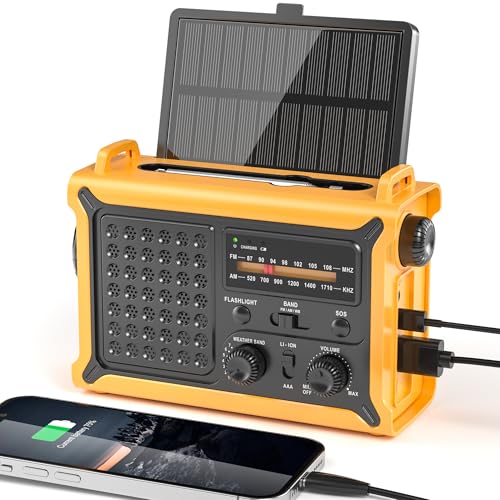
Weather Radios Portable AM FM NOAA Alert with Battery Backup 12000mAh
- NOAA/AM/FM Reception with Clear Sound: High-sensitivity signal chip and extended antenna
- Large Solar Panel for Faster Charging: 8500mm² high-efficiency monocrystalline panel
- Efficient Hand Crank Power: Larger coil and extended crank arm for quick charging
As an affiliate, we earn on qualifying purchases.
As an affiliate, we earn on qualifying purchases.
Monitoring Climate Indicators and Media Trends Moving Forward
Scientists and meteorologists will continue to monitor oceanic and atmospheric indicators to determine if an El Nino event is developing or strengthening. Simultaneously, media coverage is expected to evolve as new data emerges, potentially influencing public awareness and policy responses.
Further reports from climate agencies and ongoing media analysis will clarify whether the coverage surge correlates with actual climate developments or remains primarily a reflection of increased reporting interest.

Kynup 7-Piece Gardening Tools Set, Heavy Duty Garden Tools Kit with Garden Trowel, Garden Hand Shovel, Repotting Mat, Rust Resistant, Gardening Essentials & Supplies, Bag, Gifts Kits for Women
- All-in-One Gardening Kit: Includes 7 essential gardening tools and accessories
- Heavy-Duty Aluminum Construction: Rust-proof, durable, and resistant to bending
- Bonus Repotting Mat: Waterproof mat for indoor repotting and mess containment
As an affiliate, we earn on qualifying purchases.
As an affiliate, we earn on qualifying purchases.
Key Questions
What is causing the recent surge in El Nino coverage?
The surge appears to be driven by increased scientific attention and media interest, possibly related to early signs of climate patterns that suggest an upcoming or intensifying El Nino event, though no definitive climate development has been confirmed yet.
How does media coverage influence public perception of climate risks?
Increased media coverage can raise awareness about potential climate impacts, influence policy discussions, and encourage preparedness measures, but it also depends on the accuracy and context of reporting.
Are there any confirmed signs of a major El Nino event happening now?
As of now, there are no confirmed signs of a major El Nino event. Climate monitoring agencies continue to assess oceanic and atmospheric conditions for definitive indications.
What should communities do in response to rising media attention on El Nino?
Communities should stay informed through official climate forecasts, prepare for potential weather disruptions, and support policies aimed at climate resilience.
Source: gdelt