
TL;DR

Prime made for students and young adults
- Fast, free delivery for dorm and study essentials
- Prime Video and Amazon Music included
- Member-only deals
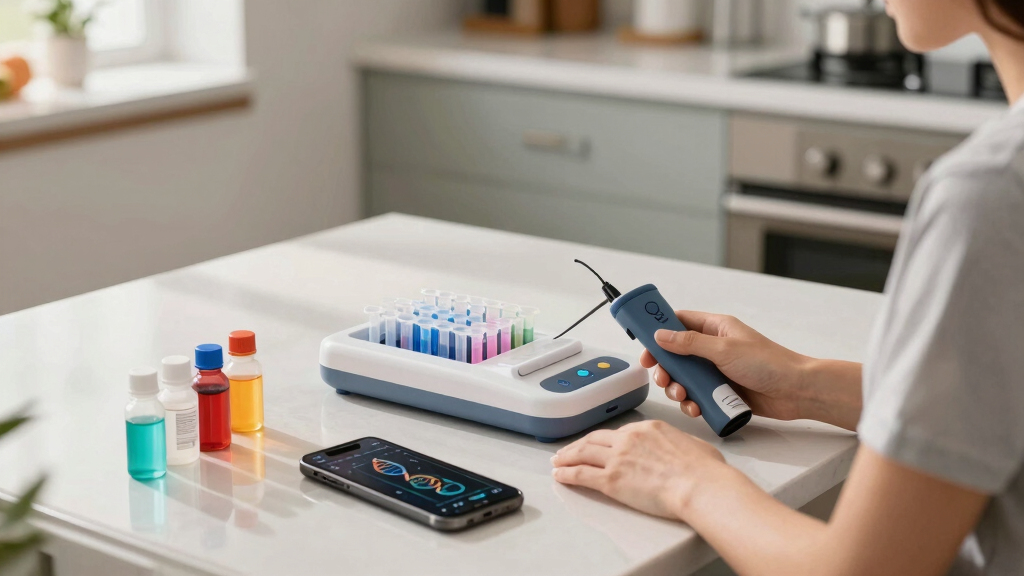
Individuals can now sequence their own DNA at home using emerging portable sequencing devices and DIY kits. This development offers greater access to personal genetic information but raises questions about accuracy, safety, and ethical use.
Individuals can now sequence their own DNA at home using commercially available portable devices and DIY kits, making personal genomics more accessible than ever. This shift offers new opportunities for health, ancestry, and research, but also raises questions about accuracy and regulation.
Recent advancements have led to the release of portable DNA sequencing devices, such as Oxford Nanopore’s MinION, which can be operated by consumers with minimal technical expertise. DIY DNA testing kits, like those from companies such as Nebula Genomics and others, enable users to collect saliva or cheek swabs and analyze genetic data at home. These tools typically connect to personal computers or mobile devices for real-time data processing.
Experts confirm that while these devices and kits are increasingly user-friendly, their accuracy and reliability vary. Some companies claim their products can generate detailed genetic profiles comparable to laboratory tests, but independent validation remains limited. Regulatory oversight is still evolving, with some products classified as medical devices and others as consumer electronics.
Implications of DIY DNA Sequencing for Personal Health and Privacy
This development democratizes access to genetic information, empowering individuals to learn about their ancestry, health risks, and traits without visiting a lab. However, it also raises concerns about data privacy, potential misuse, and the risk of misinterpreting complex genetic data without professional guidance. As these tools become more widespread, questions about regulation, accuracy, and ethical use are intensifying, making this a pivotal moment for personal genomics.As an affiliate, we earn on qualifying purchases.
Rapid Growth of Consumer DNA Testing and Portable Sequencers
Over the past decade, direct-to-consumer genetic testing has expanded rapidly, with companies like 23andMe and Ancestry offering affordable kits. Recently, portable sequencing devices like Oxford Nanopore’s MinION have entered the consumer market, allowing users to perform DNA analysis outside traditional labs. These tools are part of a broader trend toward democratizing genetic research and personalized medicine, although they are still subject to regulatory and scientific scrutiny.
Prior to this, sequencing DNA was confined to specialized laboratories with expensive equipment and trained personnel. Now, with the advent of portable devices and DIY kits, individuals are beginning to take control of their genetic information, though with varying degrees of accuracy and reliability.
“Portable DNA sequencers have become increasingly accessible, but users must understand their limitations and interpret data cautiously.”
— Dr. Emily Carter, geneticist
As an affiliate, we earn on qualifying purchases.
Limitations in Accuracy and Regulatory Oversight of Home Sequencing
While consumer DNA sequencing devices are becoming more available, their accuracy compared to clinical laboratory tests is still under review, and regulatory frameworks are not yet fully established. It is unclear how reliably these tools can detect rare variants or provide comprehensive health insights, and whether current regulations adequately protect consumers from misinformation or misuse of genetic data.
As an affiliate, we earn on qualifying purchases.
Expected Developments in Consumer DNA Sequencing Technology and Regulation
Manufacturers are likely to improve device accuracy and ease of use, while regulators may develop clearer guidelines for consumer genetic testing products. Public awareness of privacy issues and data security is expected to grow, prompting discussions about ethical standards and potential legislation. Researchers and policymakers will monitor the impact of these tools on health decision-making and personal privacy.
As an affiliate, we earn on qualifying purchases.
Key Questions
Can I reliably sequence my own DNA at home?
While portable devices and DIY kits are becoming more accessible, their accuracy varies. They are useful for general insights but should not replace professional medical testing for health-related decisions.
What tools are available for home DNA sequencing?
Devices like Oxford Nanopore’s MinION and DIY kits from companies such as Nebula Genomics are among the options available for consumers interested in sequencing their DNA at home.
Are there privacy risks with home DNA sequencing?
Yes, sharing genetic data with commercial providers or storing it on personal devices can pose privacy risks. Consumers should review data policies and consider security measures.
Is home DNA sequencing regulated?
Regulation varies by country and product type. Many consumer devices are less regulated than clinical tests, raising concerns about accuracy and data protection.
What should I do if I get unexpected or concerning results?
Consult a healthcare professional or genetic counselor to interpret results and discuss next steps, especially for health-related findings.
Source: hn
Halloween Picks
halloween
As an affiliate, we earn on qualifying purchases.