
TL;DR

Prime made for students and young adults
- Fast, free delivery for dorm and study essentials
- Prime Video and Amazon Music included
- Member-only deals
Peru experienced a series of significant earthquakes, resulting in structural damage and evacuations. Authorities are investigating casualties and ongoing risks. The situation remains fluid.
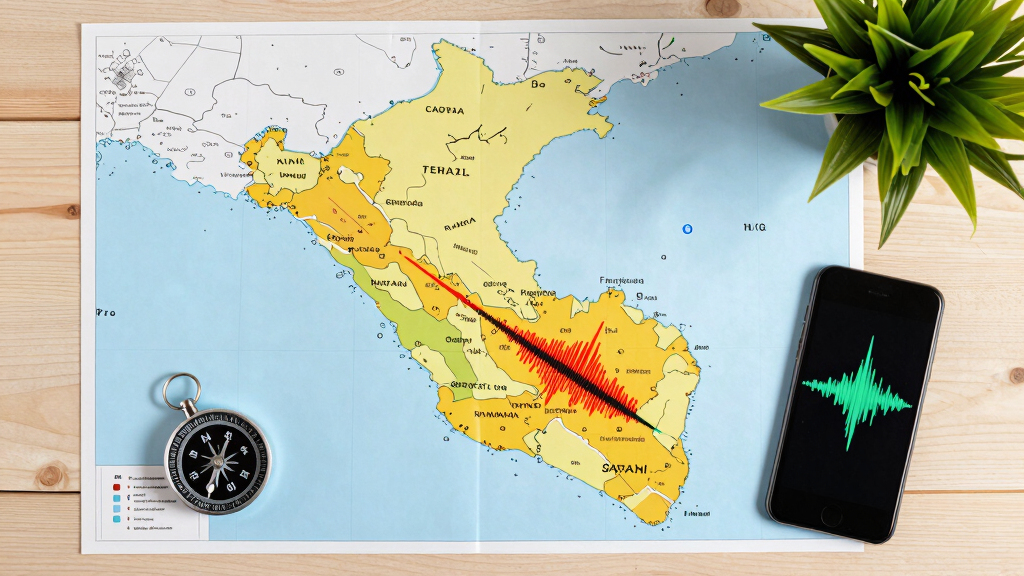
Multiple earthquakes have struck Peru within the past 24 hours, causing structural damage, evacuations, and prompting emergency response efforts. Learn about earthquake prediction systems. The earthquakes, ranging from magnitude 5.8 to 6.5, are believed to be part of a seismic sequence in the region, with authorities assessing the full extent of the damage and casualties.
The strongest quake, registering a magnitude of 6.5, occurred near the northern coast of Peru, approximately 50 kilometers from the city of Piura. According to the Peruvian National Seismological Center, the tremors were felt across several regions, including Lima, Arequipa, and Cusco. Local authorities have reported structural damage to buildings, roads, and bridges, particularly in Piura and surrounding districts.
Emergency services have initiated evacuations in affected areas, especially in regions with compromised infrastructure. As of now, reports indicate at least three confirmed fatalities and dozens of injuries, though official figures are still being compiled. The government has activated disaster response protocols, including deploying rescue teams and medical aid to the hardest-hit zones.
Seismologists warn that aftershocks are likely to continue in the coming days, with some potentially strong enough to cause further damage. For more on seismic activity, see how earthquake warning systems work. The earthquakes are believed to be related to the ongoing tectonic activity along the South American plate boundary, which is known for frequent seismic events. Discover how earthquake prediction technology is evolving.
Implications of the Quakes for Peru’s Safety and Infrastructure
The series of earthquakes underscores Peru’s ongoing vulnerability to seismic activity, which has historically caused significant loss of life and damage. The current events highlight the need for improved building codes and disaster preparedness, especially in earthquake-prone regions. The impact on local communities, infrastructure, and economic activities could be substantial if aftershocks continue or if further damage occurs.
These earthquakes also raise concerns about the adequacy of emergency response systems and the capacity to handle multiple crises simultaneously. The situation emphasizes the importance of international aid and cooperation in disaster management, as well as the need for long-term resilience planning.
As an affiliate, we earn on qualifying purchases.
Recent Seismic Activity and Historical Earthquakes in Peru
Peru is located along the Pacific Ring of Fire, making it one of the most seismically active countries in the world. Major earthquakes have occurred in the region in the past, including the devastating 2007 earthquake near Pisco, which caused over 500 deaths. The country experiences frequent tremors, with some regions more vulnerable due to dense urbanization and aging infrastructure.
The current seismic sequence follows a pattern of aftershocks typical of major earthquakes, with the largest event occurring early today. Experts note that Peru’s geological setting makes it difficult to predict precisely when and where the next major quake will occur, but continuous monitoring is ongoing.
Previous efforts to improve earthquake resilience have been implemented, yet challenges remain in fully safeguarding communities against future events.
“We are mobilizing all available resources to assist affected communities and ensure safety measures are in place.”
— Peruvian President Pedro Castillo
As an affiliate, we earn on qualifying purchases.
Unconfirmed Casualty and Damage Reports
While initial reports confirm fatalities and structural damage, the full extent of casualties and the total economic impact remain unclear. Authorities are still gathering data, and some remote areas may not yet have been fully assessed. The potential for additional aftershocks complicates immediate response efforts.
As an affiliate, we earn on qualifying purchases.
Ongoing Monitoring and Emergency Response Efforts
Authorities will continue to monitor seismic activity closely over the coming days, issuing alerts for potential aftershocks. Rescue teams are expected to conduct detailed damage assessments, and international aid organizations may mobilize support. Long-term recovery plans are likely to be developed as more information becomes available.
As an affiliate, we earn on qualifying purchases.
Key Questions
How strong were the earthquakes in Peru?
The strongest earthquake registered a magnitude of 6.5, with other tremors ranging from 5.8 to 6.2.
Are there ongoing risks of further earthquakes?
Yes, seismologists warn that aftershocks are likely to continue and could be strong enough to cause additional damage.
How many people have been affected so far?
At least three fatalities and dozens of injuries have been confirmed, but the full scope is still being assessed.
What is the government doing in response?
The government has activated disaster response protocols, including deploying rescue and medical teams and evacuating affected areas.
Will international aid be involved?
It is likely, as Peru may request international assistance to support recovery and emergency efforts.
Source: google-trends
Evergreen bestsellers Picks
bestsellers
As an affiliate, we earn on qualifying purchases.