
TL;DR

Prime made for students and young adults
- Fast, free delivery for dorm and study essentials
- Prime Video and Amazon Music included
- Member-only deals
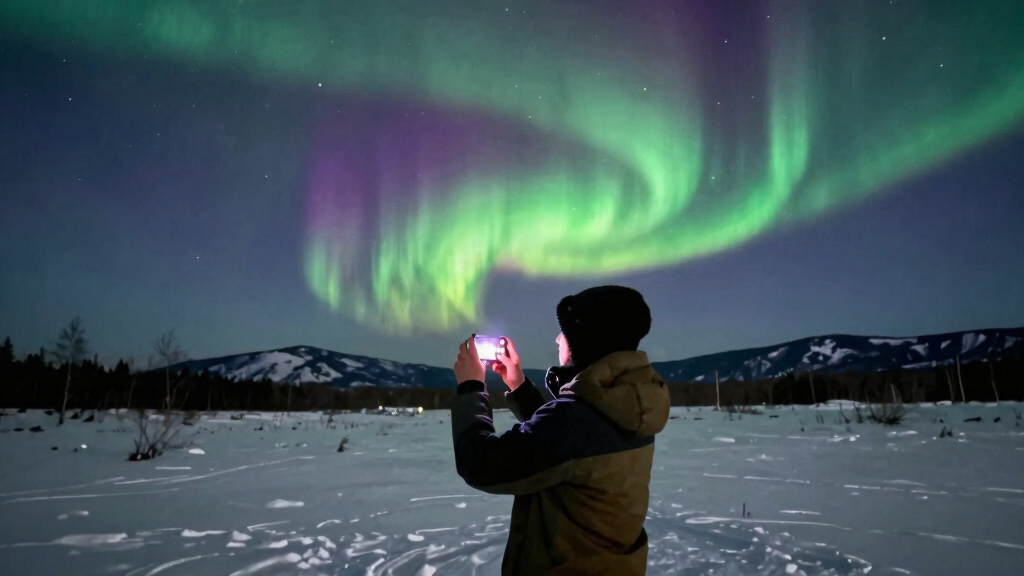
A recent geomagnetic storm caused a significant increase in polarlicht activity across northern Europe. Sightings have been confirmed in several countries, with experts monitoring ongoing space weather conditions. The event highlights the impact of solar activity on Earth’s atmosphere.
A **geomagnetic storm triggered by a solar eruption** has caused widespread polarlicht displays across northern Europe, including parts of Norway, Sweden, Finland, and Iceland. The phenomenon has been confirmed by multiple observatories and amateur observers, making it one of the most intense displays in recent years. This event underscores the ongoing influence of solar activity on Earth’s magnetic environment and atmosphere.
According to space weather agencies such as the European Space Agency (ESA) and the National Oceanic and Atmospheric Administration (NOAA), a **solar flare** erupted on the sun’s surface on March 14, 2024, releasing a coronal mass ejection (CME) that reached Earth on March 15. The interaction of this CME with Earth’s magnetic field caused a **geomagnetic storm** classified as G4 — indicating a severe level of disturbance. This storm resulted in **bright, widespread polarlicht displays** visible in regions typically known for auroras, with reports from local residents and tourists confirming sightings as far south as central Sweden.Officials from the Norwegian Meteorological Institute stated that the storm’s intensity was sufficient to cause **disruptions in satellite communications and power grids** in some areas, although no major outages have been reported so far. The phenomenon is expected to continue into the early hours of March 16, with scientists closely monitoring space weather forecasts for potential further activity.
Why This Polarlicht Event Matters for Earth and Space Weather
This intense polarlicht activity highlights the ongoing impact of solar eruptions on Earth’s magnetic environment, which can affect satellite operations, communication systems, and power infrastructure. The event also provides scientists with valuable data on the behavior of geomagnetic storms and auroral phenomena, contributing to improved forecasting models. For the public, it offers a rare opportunity to witness spectacular natural light displays that are typically limited to higher latitudes.
Aurora Borealis viewing binoculars
As an affiliate, we earn on qualifying purchases.
As an affiliate, we earn on qualifying purchases.
Recent Solar Activity and Historical Auroras in Europe
Solar activity follows an approximately 11-year cycle, with periods of increased eruptions and geomagnetic disturbances. The current solar cycle, which began around 2019, has seen several significant flares, with this event being among the strongest so far in 2024. Historically, major auroras have occurred during such solar storms, with notable events in 1989 and 2003 causing widespread visibility and technological disruptions. The ongoing activity underscores the importance of space weather monitoring for regions vulnerable to auroral displays and related effects.
“The current geomagnetic storm is among the most intense we’ve observed this solar cycle, and it’s causing remarkable auroral displays across northern Europe.”
— Dr. Lisa M. Johnson, NOAA Space Weather Prediction Center
As an affiliate, we earn on qualifying purchases.
Uncertain Duration and Future Space Weather Impact
It is not yet clear how long the geomagnetic storm will persist or whether subsequent solar activity could lead to additional disturbances. Forecast models predict a gradual decline in storm intensity over the next 12-24 hours, but space weather experts caution that solar activity remains unpredictable, and further eruptions could occur.
northern lights photography camera
As an affiliate, we earn on qualifying purchases.
As an affiliate, we earn on qualifying purchases.
Monitoring and Forecasting of Ongoing Solar Activity
Scientists will continue to observe the sun and Earth’s magnetic environment over the coming days to assess ongoing risks. Space weather agencies are issuing alerts for satellite operators and power grid managers to prepare for possible further disturbances. Public displays of auroras are expected to diminish as the storm subsides, but additional activity cannot be ruled out.
thermal insulated travel mug for cold nights
As an affiliate, we earn on qualifying purchases.
As an affiliate, we earn on qualifying purchases.
Key Questions
What causes polarlicht displays?
Polarlicht displays, or auroras, are caused by charged particles from the solar wind interacting with Earth’s magnetic field and atmosphere, producing colorful light displays primarily near the poles.
Why are the auroras visible further south during this storm?
The strength of the geomagnetic storm has expanded the auroral oval, making auroras visible at lower latitudes than usual, sometimes even in central parts of Europe.
Are there risks associated with such solar storms?
Severe geomagnetic storms can disrupt satellite communications, GPS signals, and power grids. However, no major outages have been reported during this event so far.
When will the aurora displays end?
The current storm is expected to weaken over the next 12-24 hours, but space weather experts advise monitoring official forecasts for updates on storm activity.
How often do such intense aurora events occur?
Major auroras linked to solar storms occur roughly once every few years, typically during the peak of the solar cycle, which is currently ongoing.
Source: google-trends
Halloween Picks
halloween
As an affiliate, we earn on qualifying purchases.