
TL;DR

Prime made for students and young adults
- Fast, free delivery for dorm and study essentials
- Prime Video and Amazon Music included
- Member-only deals
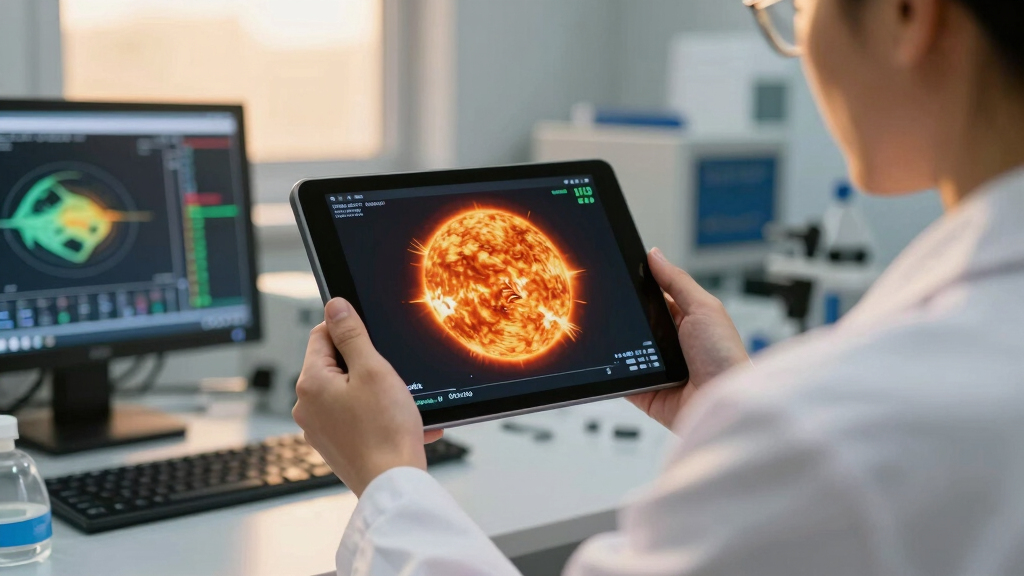
The Sun released 10 solar flares within 24 hours, accompanied by multiple coronal mass ejections (CMEs) directed at Earth. This development could influence space weather conditions and enhance northern lights visibility during the upcoming July 4 weekend.
The Sun has fired off 10 solar flares within the past 24 hours, with multiple coronal mass ejections (CMEs) directed toward Earth, according to space weather monitoring agencies. This surge in solar activity raises the possibility of increased geomagnetic disturbances and enhanced northern lights visibility during the upcoming July 4 weekend, making it a significant event for both space weather forecasting and public interest in auroras.
Space weather observatories, including NASA and the NOAA Space Weather Prediction Center, confirmed the occurrence of 10 solar flares over a 24-hour span, ranging from moderate to strong intensity. Several of these flares were classified as M-class, which have the potential to impact Earth’s magnetosphere. Additionally, multiple CMEs were observed leaving the Sun and are currently en route toward Earth, with some expected to arrive within the next 48 hours. The combined effect of these solar phenomena could lead to geomagnetic storms, which might disrupt satellite operations, communications, and power grids, as well as create opportunities for spectacular auroras.Officials emphasize that while the solar activity is significant, the actual impact on Earth’s environment depends on the strength and trajectory of the incoming CMEs. The NOAA has issued preliminary alerts, and space weather forecasts are being updated regularly to monitor potential geomagnetic storm levels.
Potential Impact on Earth’s Space Weather and Aurora Visibility
This surge in solar activity is important because it can cause geomagnetic storms, which may disrupt satellite communications, navigation systems, and power grids. It also increases the likelihood of visible auroras, particularly in northern latitudes, which is of interest to skywatchers and the general public. The timing ahead of the July 4 weekend could lead to enhanced public engagement with natural light displays, while also posing risks to technological infrastructure.
northern lights viewing flashlight
As an affiliate, we earn on qualifying purchases.
As an affiliate, we earn on qualifying purchases.
Recent Solar Activity and Forecasts of Geomagnetic Effects
The Sun has experienced heightened activity over the past week, with multiple solar flares and CMEs observed during solar cycle peaks. Historically, similar periods of intense solar activity have led to geomagnetic storms affecting Earth’s technological systems. Forecasters note that the current event follows a pattern of increased solar eruptions, driven by active regions on the Sun’s surface. Previous solar storms, such as those in 2012 and 2015, resulted in notable auroras and minor disruptions, providing context for current alerts. Experts continue to track the CMEs’ trajectories and potential impacts, emphasizing that space weather can change rapidly.
“The recent series of solar flares and CMEs is significant, and we are closely monitoring their progression toward Earth. While impacts are not guaranteed, the potential for geomagnetic storms during this period is high.”
— Dr. Lisa Grant, NOAA Space Weather Prediction Center
As an affiliate, we earn on qualifying purchases.
Uncertainty in CME Impact Strength and Timing
While several CMEs are confirmed to be heading toward Earth, the exact strength of the resulting geomagnetic storms and their precise timing remain uncertain. Variability in CME speed, direction, and interaction with solar wind means forecasts can change rapidly. Experts caution that the potential for significant disruptions is still being evaluated, and the situation could evolve in the coming hours.
As an affiliate, we earn on qualifying purchases.
Monitoring and Preparedness for Possible Space Weather Effects
Space weather agencies will continue to track the incoming CMEs closely, providing updated alerts and forecasts. Authorities advise satellite operators, power grid managers, and communication providers to prepare for possible geomagnetic disturbances. Additionally, skywatchers are encouraged to stay alert for auroras during the upcoming weekend, especially in northern regions, as the increased solar activity may enhance visibility. Further updates are expected as new data becomes available and the CMEs’ impacts are assessed.
As an affiliate, we earn on qualifying purchases.
Key Questions
What are solar flares and CMEs?
Solar flares are sudden releases of energy from the Sun’s surface, emitting radiation across the electromagnetic spectrum. Coronal mass ejections (CMEs) are large expulsions of plasma and magnetic field from the Sun’s corona that can impact Earth’s space environment when directed toward our planet.
How might these solar events affect Earth?
If directed toward Earth, CMEs can cause geomagnetic storms that disrupt satellites, communications, and power grids. They can also produce spectacular auroras, especially at higher latitudes.
When will the impacts from these CMEs occur?
Some CMEs are expected to reach Earth within the next 48 hours, but the exact timing and strength of their effects are still being monitored and predicted.
Could this event cause power outages or satellite failures?
While geomagnetic storms have the potential to disrupt power grids and satellites, the severity depends on the strength of the incoming CMEs. Authorities are monitoring the situation closely and have issued preliminary alerts.
Will there be visible northern lights during the weekend?
Yes, increased geomagnetic activity could enhance aurora visibility in northern regions during the upcoming weekend, especially if the CMEs impact Earth strongly as predicted.
Source: google-trends
Fall Picks
fall essentials
As an affiliate, we earn on qualifying purchases.