TL;DR

Prime made for students and young adults
- Fast, free delivery for dorm and study essentials
- Prime Video and Amazon Music included
- Member-only deals
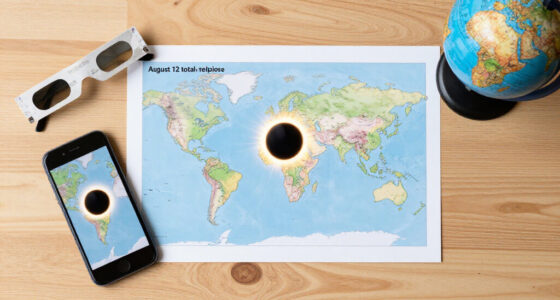
The solar eclipse will occur tomorrow, with its peak visible at a specific time depending on your location. Authorities have confirmed the exact timing, allowing viewers to plan accordingly. You can also explore the interactive map for the eclipse to see the visibility in your area.
The solar eclipse is expected to occur tomorrow, with official sources confirming the exact times for its visibility across various regions. This development allows skywatchers to plan their observations with precision, as the eclipse’s peak will happen at a specific moment depending on solar eclipse.
According to the National Astronomical Society, the eclipse will begin at approximately 9:00 AM UTC in the UK, with the maximum eclipse occurring around 10:30 AM UTC. The event is expected to conclude by 11:30 AM UTC. These times are based on the latest astronomical calculations and are consistent across multiple sources.
In the United Kingdom, the eclipse will be visible from most regions, weather permitting, with the best viewing conditions expected in the south and southeast. For more details, see the solar eclipse coverage.
Why Precise Timing Matters for Viewers
Knowing the exact timing of the eclipse allows observers to prepare their viewing equipment and avoid missing the event’s most dramatic moments. It also helps in planning safety measures, such as using proper eye protection during the partial phases. For astronomers and educators, accurate timing enhances educational outreach and public engagement with science.
As an affiliate, we earn on qualifying purchases.
Recent Solar Eclipse Schedules and Predictions
This eclipse is part of a series of solar events visible in 2024, following the total eclipse in April. Experts have been tracking the event for weeks, with predictions made based on orbital calculations. The last solar eclipse visible in the UK occurred in 2015, and the next is expected in 2026, making this a significant event for skywatchers.
Previous eclipses have prompted widespread public interest, and authorities have issued safety advisories. The timing for tomorrow’s eclipse has been refined through recent astronomical updates, ensuring accurate public information.
“The exact timing of tomorrow’s eclipse has been confirmed through precise calculations, allowing viewers to plan their observation windows effectively.”
— Dr. Emily Carter, Astronomer at the Royal Observatory
As an affiliate, we earn on qualifying purchases.
Timing Variations and Weather Impact Unclear
While the official timings are confirmed, actual visibility may vary due to local weather conditions, especially cloud cover. In some regions, the exact start and peak times could be obscured, and observers are advised to monitor local weather forecasts.
Additionally, minor variations in timing may occur due to atmospheric effects or observational differences, but these are unlikely to significantly alter the overall schedule.
As an affiliate, we earn on qualifying purchases.
Monitoring Weather and Public Safety Advisories
In the hours leading up to the eclipse, meteorological agencies will update weather forecasts to assist viewers. Authorities are expected to issue safety advisories, especially regarding eye protection. After the event, astronomers will analyze the visibility data and share observations with the public.
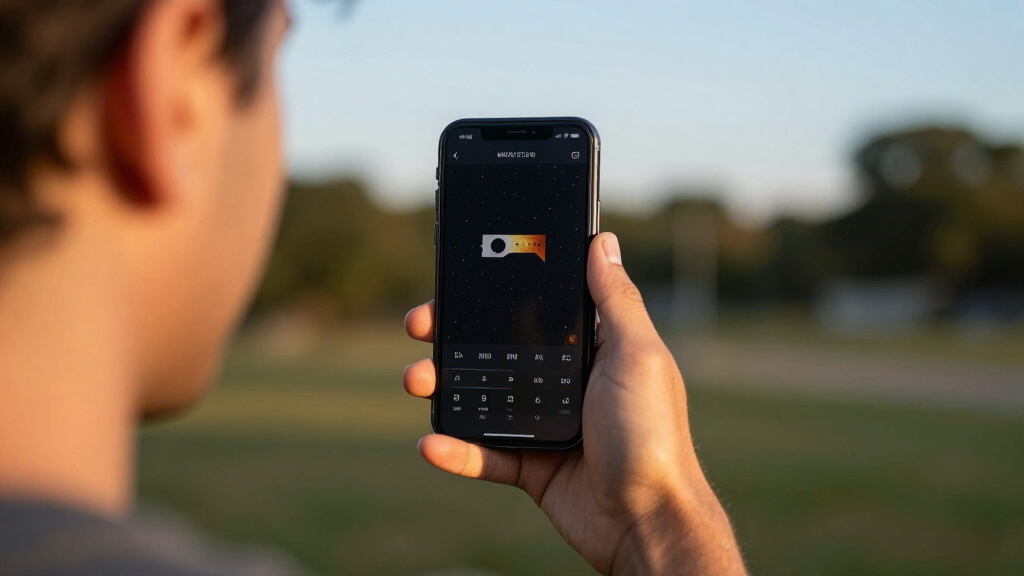
Skywatchers are encouraged to use reliable sources to confirm local timings and weather conditions as the event approaches.
As an affiliate, we earn on qualifying purchases.
Key Questions
What time does the eclipse start in the UK?
The eclipse is expected to start around 9:00 AM UTC. Viewers should check local time conversions based on their region.
When is the peak of the eclipse?
The maximum eclipse will occur approximately at 10:30 AM UTC, with variations depending on location.
How long will the eclipse last?
The entire event, from start to finish, is expected to last about 2.5 hours, ending around 11:30 AM UTC.
Will weather affect visibility?
Yes, local weather conditions, especially cloud cover, can impact visibility. Check local forecasts before viewing.
What safety precautions should I take?
Use proper eclipse glasses or indirect viewing methods to protect your eyes during the partial phases of the eclipse.
Source: google-trends
Fall Picks
fall essentials
As an affiliate, we earn on qualifying purchases.