
Good field methods can notably improve your cryptid research even if you don’t find definitive proof. Using tools like camera traps and habitat analysis helps you gather credible, objective data about behaviors and environments. This structured approach builds a solid foundation for understanding cryptids, guides better placement of equipment, and improves your chances of spotting evidence in the future. Keep exploring how disciplined methods enhance what you learn about these elusive creatures.

Prime made for students and young adults
- Fast, free delivery for dorm and study essentials
- Prime Video and Amazon Music included
- Member-only deals
Key Takeaways
- Systematic field methods enhance data reliability, providing valuable insights regardless of cryptid confirmation.
- Proper habitat analysis and strategic camera placement improve understanding of cryptid environments and behaviors.
- Discreet, automated camera traps gather credible evidence without disturbing habitats, supporting objective research.
- Focused observation and documentation foster discipline, patience, and a scientific approach in cryptid studies.
- Even without proof, collecting systematic data refines hypotheses and guides future investigations effectively.
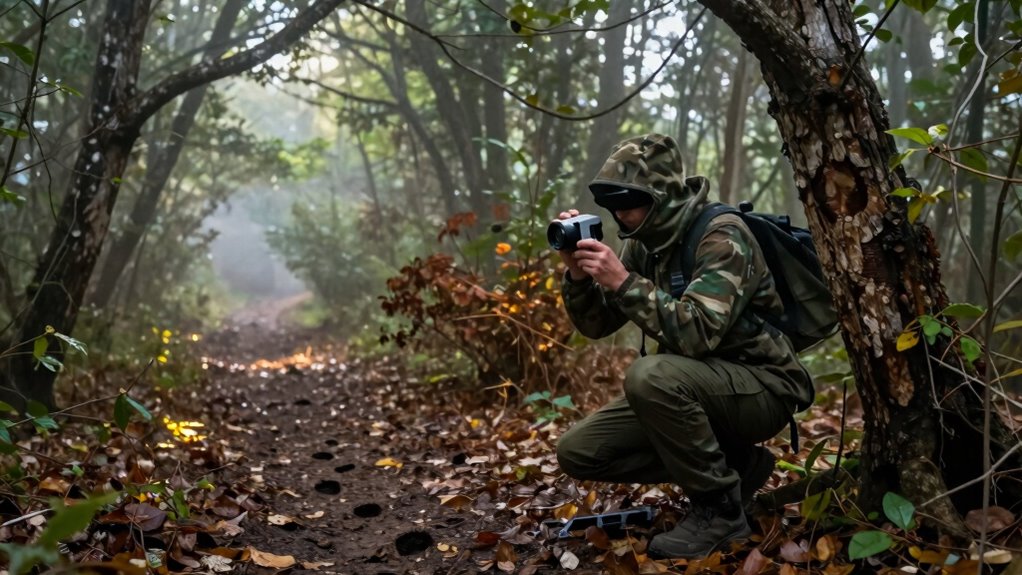
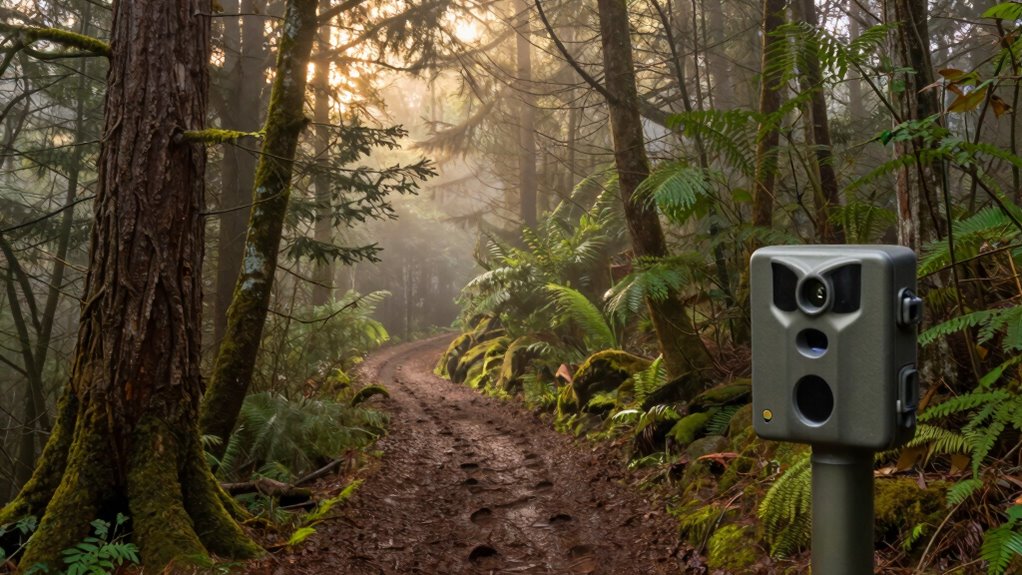
Field methods are essential tools for researchers seeking to uncover evidence of cryptids—mysterious creatures whose existence remains unproven by science. While confirming a cryptid’s presence is the ultimate goal, simply gathering credible data can greatly advance your understanding of these elusive beings. One effective way to do this is by deploying camera traps. These devices are discreet, automated cameras that can be left in remote areas for extended periods, capturing images or videos whenever movement is detected. With camera traps, you can observe cryptid activity without disturbing the habitat, increasing your chances of recording natural behavior. Proper placement is critical; position cameras along animal trails, water sources, or known movement corridors where cryptids are likely to pass. Over time, these devices can collect valuable visual evidence, helping you build a more detailed picture of the creature’s habits and habitat preferences. Additionally, understanding equipment maintenance and ensuring the proper functioning of your camera traps can significantly improve data quality and reduce the risk of technical failures. Regular checks and calibration are vital to maintaining optimal performance.
Alongside camera traps, habitat analysis plays an essential role in improving cryptid research. By examining the environment where cryptids are suspected to dwell, you gain insights into the ecological conditions that support their existence. This involves evaluating factors like vegetation types, water availability, terrain features, and prey abundance. Understanding habitat preferences allows you to narrow down search areas and identify potential hotspots for cryptid activity. It also helps you evaluate the likelihood of cryptid presence based on environmental suitability, even if concrete evidence remains elusive. Habitat analysis can also guide the strategic placement of camera traps, ensuring they are situated in the most promising locations. Moreover, developing a comprehensive understanding of ecological conditions can support future research efforts by providing context for observed behaviors. Incorporating systematic data collection protocols can further enhance the reliability of your findings.
While these methods might not directly prove the existence of cryptids, they serve to build a solid foundation of credible evidence. The combination of camera traps and habitat analysis enables you to gather consistent, objective data that can be shared with the scientific community or used to inform future investigations. Good field methods foster a disciplined approach to cryptid research, emphasizing patience, careful observation, and systematic data collection. Even if definitive proof remains out of reach, these methods help you develop a clearer understanding of the environments and behaviors associated with cryptids. This, in turn, can inspire new hypotheses, improve future search strategies, and perhaps bring us closer to uncovering truths hidden within the wilderness.
camera traps for wildlife monitoring
As an affiliate, we earn on qualifying purchases.
As an affiliate, we earn on qualifying purchases.
Frequently Asked Questions
How Do Field Methods Differ Across Various Cryptid Research Regions?
You’ll notice that field methods differ across regions due to regional folklore and cultural influences. In some areas, researchers focus on local legends and stories, while in others, they use technological tools like cameras and audio recorders. You should adapt your approach based on local beliefs, traditions, and environmental conditions. This cultural context shapes how you gather evidence, interpret sightings, and engage with communities, making your research more effective and respectful.
What Tools Are Most Effective for Non-Invasive Cryptid Observation?
A picture is worth a thousand words, so using camera traps and audio recorders can be your best tools for non-invasive cryptid observation. Camera traps capture images and videos silently, while audio recorders pick up sounds humans can’t hear. Together, they provide a respectful way to gather evidence without disturbing the environment or creatures. These tools help you observe cryptids indirectly, increasing your chances of discovery while keeping your research ethical.
Can Citizen Scientists Contribute Meaningfully to Cryptid Research?
Yes, citizen scientists can contribute markedly to cryptid research through active citizen engagement. Your observations, when systematically documented, help gather valuable data. By participating in data validation processes, you guarantee that collected information is accurate and reliable. This collaborative effort enhances the overall quality of research, increasing the chances of meaningful discoveries. Your involvement makes a real difference, fostering a community dedicated to exploring cryptids responsibly and scientifically.
How Do Researchers Handle False Positives in Cryptid Sightings?
When handling false positives, you focus on evidence validation and bias reduction. You carefully examine sightings, cross-checking details and dismissing inconsistent reports. You also analyze environmental factors and witness reliability, aiming to filter out coincidences that could mislead your conclusions. By maintaining rigorous standards and skepticism, you improve the integrity of cryptid research, ensuring that only well-supported evidence advances your understanding, even when definitive proof remains elusive.
Are There Ethical Concerns in Cryptid Field Investigations?
Yes, there are ethical dilemmas in cryptid field investigations. You need to take into account animal welfare, ensuring your methods don’t cause harm or stress to wildlife or the environment. Respect for ecosystems is vital, even when chasing elusive creatures. Being transparent about your intentions and avoiding invasive techniques helps maintain ethical standards. By prioritizing animal welfare and respecting natural habitats, you can conduct responsible research that minimizes harm and preserves ecological integrity.
trail camera for cryptid research
As an affiliate, we earn on qualifying purchases.
As an affiliate, we earn on qualifying purchases.
Conclusion
By honing your field methods, you can uncover valuable clues and deepen your understanding of cryptids without ever proving their existence. Think of these methods as your keys—unlocking mysteries rather than sealing them. While proof might dance just beyond reach, your diligent efforts still illuminate the shadows. In the end, it’s not about capturing the creature, but about sharpening your skills—because sometimes, the journey is more enlightening than the destination.
As an affiliate, we earn on qualifying purchases.
As an affiliate, we earn on qualifying purchases.
Halloween Picks
halloween
As an affiliate, we earn on qualifying purchases.