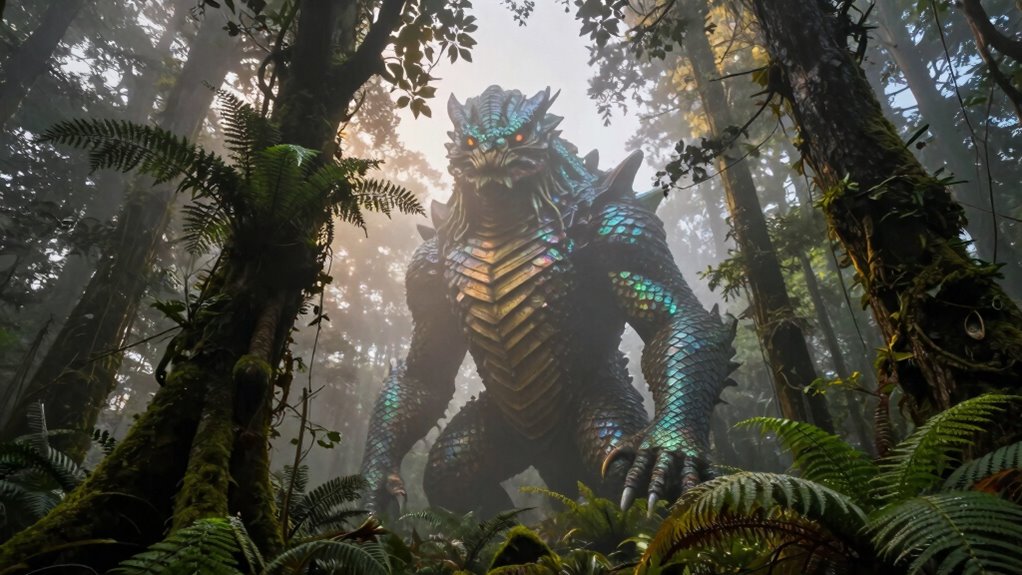

New species discoveries can definitely reshape old monster stories, as they reveal that many legendary creatures may have roots in real animals misunderstood or unknown in the past. When scientists identify new species, they often find connections to myths, challenging the idea that monsters are purely myth or legend. These findings add depth to traditional tales and help you see how ancient stories may reflect real encounters with nature. If you keep exploring, you’ll uncover even more fascinating links between myth and reality.

Prime made for students and young adults
- Fast, free delivery for dorm and study essentials
- Prime Video and Amazon Music included
- Member-only deals
Key Takeaways
- New species discoveries can provide biological explanations for ancient monster legends.
- Ongoing identification of unique animals may inspire new or revised mythic stories.
- Scientific findings can reinterpret legendary creatures as real, misunderstood species.
- Cultural narratives may evolve with new ecological and biological insights into unknown animals.
- The continuous discovery of novel species keeps the potential for myth reinterpretation alive.
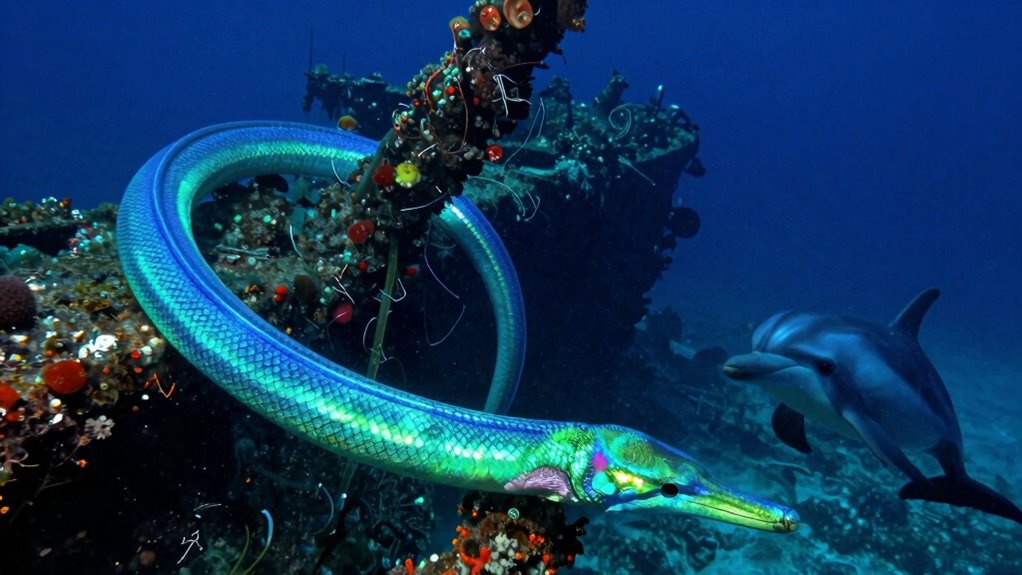
Recent discoveries of new species are fundamentally changing how we view classic monster stories. These fresh findings challenge the long-held notions that many monsters are purely products of myth and legend. Instead, they hint at origins rooted in real, often misunderstood creatures. This emerging knowledge demonstrates how animal identification plays a crucial role in deciphering mythic origins. This shift invites you to reconsider the mythic origins of these stories and recognize how cultural reinterpretations have shaped their evolution over time. What once seemed like fantastical beasts may now be linked to actual animals, some of which have only recently been identified by scientists. As you learn about these species, you may find that what was once dismissed as myth is, in fact, based on reality—albeit amplified or distorted through storytelling. The discovery process often involves uncovering species diversity, which provides insights into how ancient peoples encountered and interpreted unfamiliar creatures.
The impact of these discoveries extends beyond biology; they influence how cultures interpret their own legends. Many monster stories have been passed down through generations, often reflecting societal fears, moral lessons, or environmental realities. When you relate a newly discovered species to a familiar monster, it becomes clear that cultural reinterpretations play a crucial role in shaping these tales. For example, a creature once thought to be a myth might be linked to a real animal with unique behaviors or features that inspired local folklore. These reinterpretations serve as a bridge between science and storytelling, blurring the lines between fact and fiction and giving new depth to ancient narratives. Additionally, understanding mythic origins can help reveal how environmental factors or ecological niches influenced these stories over time.
Moreover, as you explore the diversity of recent species, you realize that many monsters could have originated from encounters with bizarre or misunderstood creatures. Some animals, like deep-sea fish or insects with unusual adaptations, may have contributed to stories of monsters lurking in lakes, caves, or the dark ocean depths. These discoveries remind you that our ancestors’ tales were often rooted in their encounters with the natural world. Over time, these stories evolved, amplified by cultural reinterpretations to serve social or spiritual purposes.
In the end, new species don’t just add to biological catalogs—they reshape how you understand age-old monster stories. They compel you to see these tales through a new lens, recognizing the intricate dance between mythic origins and cultural reinterpretations. As science uncovers the truth behind these creatures, it enriches the stories we’ve told for generations, making them more complex and connected to reality. It’s a reminder that the monsters of old may have been more than just legends—they might be echoes of real, living beings waiting to be understood anew.
scientific species identification kit
As an affiliate, we earn on qualifying purchases.
As an affiliate, we earn on qualifying purchases.
Frequently Asked Questions
How Do Scientists Discover New Species Today?
Scientists discover new species today through a mix of habitat exploration and genetic analysis. You might explore remote areas, collecting samples from plants, animals, or microbes. Back in labs, genetic analysis helps confirm if the species is truly new, comparing DNA to known organisms. This process allows you to identify unique traits, ensuring discoveries aren’t just variations of existing species but genuinely new, fascinating additions to our understanding of biodiversity.
Can New Species Be More Dangerous Than Classic Monsters?
You might think new species can be more dangerous than classic monsters, like the mythical Hydra, constantly evolving and regenerating. Recent discoveries, such as venomous frogs or aggressive deep-sea creatures, reveal that these animals can pose significant threats, highlighting the evolutionary implications of nature’s unpredictability. These species challenge our old monster stories by proving that evolution can produce real, potentially more dangerous beings than fiction ever imagined, shaping our understanding of danger itself.
Are There Ethical Concerns in Naming New Species After Monsters?
Yes, there are ethical concerns in naming new species after monsters. You should consider the cultural implications, because such names might offend or misrepresent certain communities. Naming controversies can arise when species are labeled in ways that trivialize wildlife or reinforce negative stereotypes. You have a responsibility to choose names thoughtfully, ensuring they respect biodiversity and cultural sensitivities, rather than perpetuating misconceptions or disrespect.
How Quickly Can New Species Influence Popular Culture?
In mere moments, a new species can ignite mythical reinterpretations that ripple through popular culture. You’ll see it in memes, movies, and viral stories, transforming their cultural symbolism overnight. It’s almost as if society keenly waits for fresh biological “monsters” to reinterpret old legends, proving that nature’s surprises can quickly reshape our collective imagination—reminding us that even new species can become characters in our ongoing monster stories.
What Are the Chances of Discovering a “Monster” Species?
The chances of discovering a “monster” species are surprisingly high, especially as scientists explore remote ecosystems. You might stumble upon mythical creatures or legendary beasts that blur the line between fact and fiction. New species often resemble legendary beasts, fueling our fascination with mythical creatures. With ongoing exploration, it’s possible you’ll encounter a creature that challenges existing stories, reshaping how we view monsters and the natural world.
mythical creature replica models
As an affiliate, we earn on qualifying purchases.
As an affiliate, we earn on qualifying purchases.
Conclusion
As you peer into the depths of discovery, you realize that new species are like fresh brushstrokes on ancient canvases, breathing life into old monster tales. They’re the whispers of the wild, rewriting legends with every discovery, transforming mere myths into tangible marvels. So, as you stand on the edge of this unfolding story, remember: every new creature is a key opening the door to a world where the monsters of yesterday become the marvels of tomorrow.
biological illustration books of new species
As an affiliate, we earn on qualifying purchases.
As an affiliate, we earn on qualifying purchases.
myth and legend animal figurines
As an affiliate, we earn on qualifying purchases.
As an affiliate, we earn on qualifying purchases.
Halloween Picks
halloween
As an affiliate, we earn on qualifying purchases.