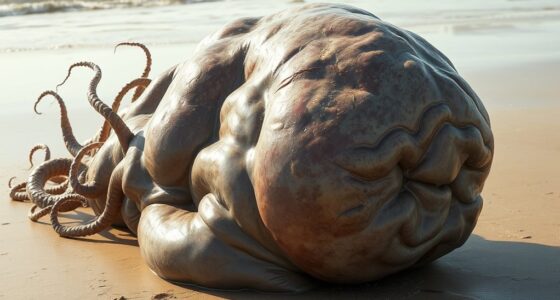
The Frankenstein Complex: Scientific Ethics and Monsters
Harnessing scientific power sparks fears of creating uncontrollable monsters, raising crucial ethical questions that demand deeper exploration to understand their true implications.
The Wendigo Psychosis: Cultural Syndrome Explained
Never fully understood, the Wendigo psychosis reveals complex cultural fears and beliefs that continue to fascinate and mystify those seeking deeper insights.
Monster DNA: Could Genetic Mutations Explain Cryptids?
What if genetic mutations hold the key to mysterious cryptids, and uncovering their DNA could reveal surprising truths about these legendary creatures?
The Sasquatch Genome Project: Science and Controversy
Neither conclusive nor dismissive, the Sasquatch Genome Project’s findings could reshape cryptid science—discover the controversy behind the quest for proof.
A groundbreaking DNA analysis of Loch Ness water reveals surprising insights, but the true mystery remains—and you’ll want to see what scientists uncovered.
Providing a window into societal values, the rational reconstruction of fairy tales reveals hidden meanings that will make you see these stories differently.