
The Sasquatch Genome Project aims to find genetic proof of this mysterious creature, sparking both excitement and skepticism among scientists. Using DNA analysis from hair and tissue samples, the project seeks to identify unique markers that could confirm Sasquatch’s existence. However, ethical concerns about sample sources and potential sensationalism fuel controversy. The debate continues over the credibility of cryptid genetics and whether these efforts will revolutionize our understanding, encouraging you to explore more details behind the science and debates.
Key Takeaways
- The project uses DNA analysis to determine if Sasquatch is a distinct hominid species, fueling scientific debate.
- Advances in genetic sequencing increase credibility but also raise questions about sample authenticity and interpretation.
- Ethical concerns include privacy of sample sources and potential misuse or sensationalism of findings.
- The scientific community remains divided, with some supporting investigation and others demanding rigorous peer review.
- The project highlights the tension between scientific curiosity and skepticism, shaping future cryptid research standards.
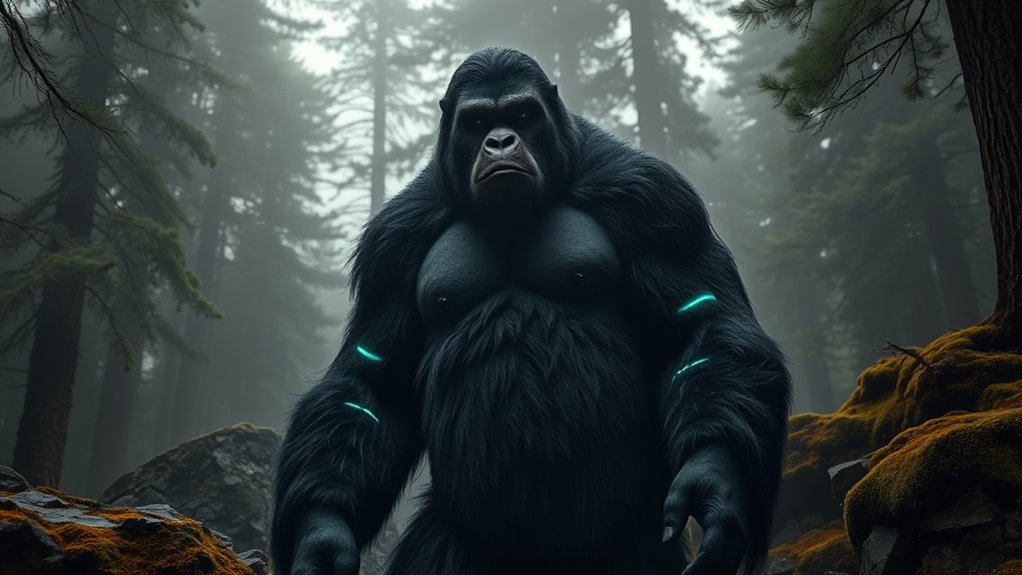
Have scientists finally uncovered the genetic secrets of Sasquatch? That’s the big question many are asking as the Sasquatch Genome Project moves forward. Over the years, numerous claims of sightings and hair samples have sparked interest, but it’s only recently that rigorous scientific methods, like DNA analysis, have been employed to explore this elusive creature’s existence. The project aims to analyze genetic material collected from supposed Sasquatch samples, hoping to determine whether they belong to a previously unknown hominid or are simply misidentified animals or human contamination. This process involves extracting DNA from hair, tissue, or other samples and comparing it to known species’ genomes. The hope is that definitive genetic markers will reveal the creature’s true nature, potentially confirming it as an unknown species or debunking long-held myths. Advances in DNA sequencing techniques have significantly increased the accuracy and speed of genetic analysis, bolstering the credibility of such research.
However, this scientific pursuit raises significant ethical considerations. Many of the samples tested come from private individuals or unidentified sources, creating questions about consent and the proper handling of genetic material. Researchers must navigate the delicate balance between scientific curiosity and respecting the rights of those who may have collected or provided samples. Some skeptics worry that sensationalism might override ethical standards, leading to exploitation or misrepresentation of potential findings. There’s also concern over privacy, especially if the DNA turns out to be human or closely related to modern humans. Ethical considerations extend beyond sample collection; they encompass how results are shared with the public and ensuring that claims are supported by solid evidence rather than speculation or sensationalism.
Despite these challenges, the DNA analysis conducted in the Sasquatch Genome Project continues to push forward, driven by the hope of uncovering new insights into human evolution or cryptid biology. The scientific community is divided; some see this as an exciting frontier that could reshape understanding of our natural world, while others remain skeptical, emphasizing the importance of rigorous peer review and verification before making any definitive claims. As the project advances, it’s clear that the intersection of cutting-edge genetics and the mystery of Sasquatch has sparked both scientific curiosity and ethical debate. Ultimately, the success of this endeavor hinges on transparency, respect for ethical boundaries, and a commitment to uncovering truth through methodical, evidence-based research.
Frequently Asked Questions
What Are the Potential Implications of Confirming Sasquatch’s Existence?
Confirming Sasquatch’s existence would profoundly impact cryptozoology debates, providing concrete evidence that challenges scientific skepticism. You’d likely see increased research funding and public interest in undiscovered species, sparking debates about habitat conservation and wildlife management. It could also reshape our understanding of primate evolution and human history, prompting scientists and skeptics alike to reevaluate assumptions about elusive creatures and the boundaries of scientific discovery.
How Does the Scientific Community View the Validity of the Project?
You might find that the scientific community remains largely skeptical of the Sasquatch Genome Project, citing scientific skepticism and the lack of peer review as reasons for doubt. Many experts question the validity of the findings due to limited data and methodological concerns. As a result, until the project undergoes rigorous peer review and produces consistent, verifiable evidence, most scientists will continue to view it with caution and skepticism.
What Ethical Considerations Are Involved in Studying Sasquatch DNA?
Remember, “with great power comes great responsibility.” When studying sasquatch DNA, you must consider ethical issues like animal rights and genetic privacy. Respect for the creature’s dignity is paramount, ensuring you don’t harm or exploit it. Balancing scientific curiosity with moral responsibility helps protect the sasquatch’s potential rights and prevents misuse of genetic information, fostering trust and integrity in your research.
Are There Any Known Health Risks Associated With Sasquatch Samples?
You should be aware that handling sasquatch DNA samples could pose health risks like genetic contamination or zoonotic transmission. These risks arise if the samples are contaminated with other DNA or if pathogens transfer from the sasquatch to humans. To minimize danger, follow strict lab protocols, use protective gear, and guarantee proper sample sterilization. Staying cautious helps prevent potential health issues linked to unknown or zoonotic agents.
How Might This Research Impact Indigenous Cultures and Beliefs?
Your research could deeply influence indigenous cultures and beliefs by challenging or reaffirming their spiritual significance of Sasquatch. If findings support the creature’s existence, it might enhance cultural preservation, reinforcing traditional stories and rituals. Conversely, it could also lead to skepticism or misunderstandings. Respecting indigenous perspectives guarantees your work honors their cultural heritage, fostering dialogue and appreciation rather than disrupting or dismissing their spiritual significance and long-standing traditions.
Conclusion
You stand at the edge of a scientific frontier where the Sasquatch genome could rewrite history itself. Imagine uncovering a creature so elusive, so legendary, that its DNA holds the power to topple entire ancient myths and shake the very foundation of human understanding. This project teeters on the brink of discovery and chaos, promising to reveal secrets hidden in the shadows for centuries. Prepare to witness the impossible become undeniably real.