
Proper security lighting can either improve or ruin your night sighting setups, depending on how you plan and position it. If lights are too bright or poorly placed, they cause glare and reflections that obscure camera lenses and impair visibility. On the other hand, well-calibrated lights that are strategically positioned enhance natural darkness and prevent glare, making it easier to see and capture clear images. Keep these factors in mind, and you’ll uncover ways to optimize your security system’s performance.

Prime made for students and young adults
- Fast, free delivery for dorm and study essentials
- Prime Video and Amazon Music included
- Member-only deals
Key Takeaways
- Properly positioned lighting prevents glare and reflections that can obscure camera lenses and impair night vision.
- Excessive brightness causes lens flare and overexposure, reducing camera clarity and effectiveness.
- Insufficient or poorly placed lights create shadows and dark spots, hindering overall visibility.
- Overly intense or poorly calibrated lights contribute to light pollution, diminishing natural darkness and night sight.
- Strategic lighting enhances security and camera performance by balancing illumination and preserving natural contrast.

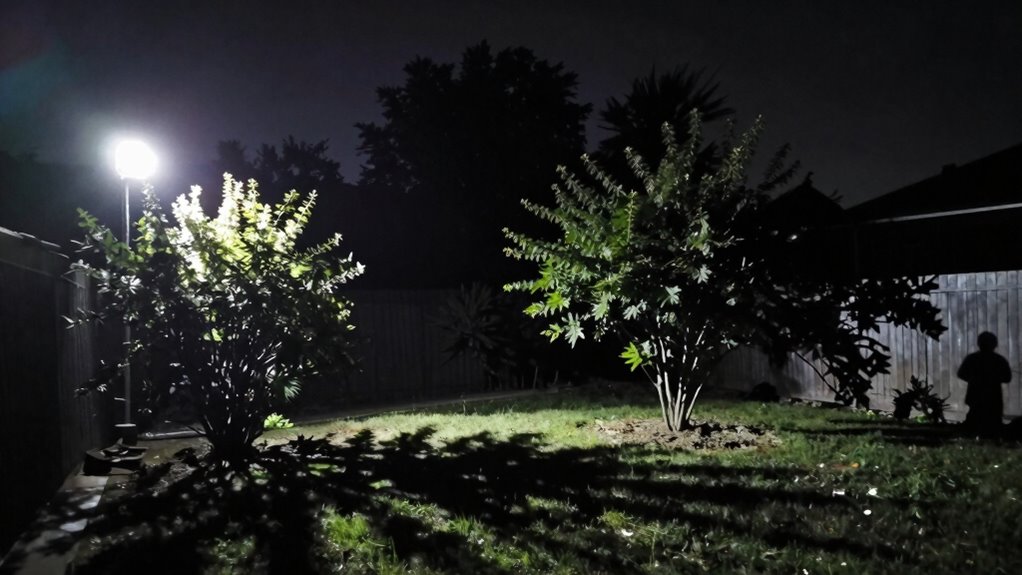
Good lighting is vital for maintaining safety and security around your property after dark. Properly placed lights can deter intruders and help you see clearly, but if you’re not careful, lighting can also ruin your night sight setups. One of the key factors is camera placement. When you install security cameras, you want to guarantee they have an unobstructed view of the areas you’re monitoring. If your lights are too bright or poorly positioned, they can cause glare or reflections that obscure the camera lens, making it harder to get a clear image. Conversely, strategic placement of lights near cameras can improve night vision, especially if the lighting highlights the area without directly shining into the lens. It’s vital to contemplate how the lights and cameras interact; positioning lights so they illuminate the scene without causing lens flare or overexposure is essential for maximum night sight. Additionally, understanding how lighting intensity impacts visibility can help you choose the right level of illumination for your security needs. lighting intensity plays a significant role in how well your security setup functions at night. Bright lights might seem like the best option, but excessive brightness can wash out details, creating a glare that hampers both human visibility and camera effectiveness. On the other hand, too dim lighting can leave shadows and dark corners that intruders can exploit. The goal is to find a balance—using lighting intensity that provides enough illumination to identify faces, license plates, or other details without interfering with camera performance. Motion-activated lights are particularly useful because they strike this balance well; they stay off until needed, preventing unnecessary glare or light pollution, and then brighten just enough to reveal what’s happening. Your choice of lighting should also take into account how it affects night sight conditions. Overly intense lights can create light pollution, making it harder for both your eyes and your cameras to adapt to darkness. Properly calibrated lighting, combined with thoughtful camera placement, ensures you’re not blinding yourself or your equipment. It’s also helpful to consider how ambient light levels in your area, as they can influence how your security lighting performs at night. The natural contrast of darkness is vital for effective night sight, and your lighting setup should complement this balance. To optimize your security, it’s beneficial to understand the impact of environmental factors on lighting effectiveness. The lights to act as a complement, enhancing your night vision rather than overpowering it. When you plan your security lighting, think about how different intensities and placements will work together to give you clear, reliable surveillance while maintaining the natural contrast of darkness. With careful consideration, your security setup can become a powerful tool for protection—improving visibility rather than hindering it.
motion-activated security lights
As an affiliate, we earn on qualifying purchases.
As an affiliate, we earn on qualifying purchases.
Frequently Asked Questions
How Does Security Lighting Impact Wildlife at Night?
Security lighting impacts wildlife at night by causing wildlife disturbance and nocturnal behavior disruption. When you install bright lights, you may scare away animals that rely on darkness for safety and feeding. Conversely, using motion-activated or softer lighting can minimize disruption, helping wildlife carry on their natural activities. Your choices in lighting can either harm or support local ecosystems, so consider wildlife-friendly options to reduce negative effects.
What Types of Security Lights Are Best for Night Sighting Setups?
You should choose solar-powered lights with motion sensors for night sighting setups. These lights provide gentle, adjustable illumination, reducing disturbance to wildlife. Motion sensors activate only when needed, conserving energy and minimizing light pollution. Solar-powered options are eco-friendly and cost-effective, ensuring consistent power without wiring. Opting for these types helps you observe nature more accurately and peacefully, enhancing your night sighting experience without harming the environment.
Can Security Lighting Cause Glare That Affects Night Vision Equipment?
Security lighting can cause glare that impacts your night vision equipment, especially if the lighting intensity is too high. For example, if bright floodlights shine directly into your camera lens, they create glare, reducing visibility. To avoid this, focus on glare reduction techniques like shielding lights and adjusting lighting intensity. Properly designed security lighting ensures you maintain clear night sighting without compromising your equipment’s effectiveness.
How Can I Minimize Light Pollution From Security Lighting?
You can minimize light pollution from security lighting by choosing fixtures with motion sensors, which turn lights on only when needed, reducing unnecessary illumination. Opt for lights with a warmer color temperature, around 2700K to 3000K, to lessen glare and skyglow. Additionally, direct lights downward and use shields to prevent light spill, ensuring your security lighting is effective without disturbing the night environment.
Are There Specific Security Lighting Placements to Avoid Interference With Night Sighting?
You should avoid placing security lights directly in your line of sight or near key night sighting points. Ironically, the best placement considers timing and color temperature—use low, warm lights away from observation areas, and turn them on only when necessary. Properly timed, warm-colored lighting minimizes interference, helping your night sighting remain sharp. Keep lights distant, avoid bright white bulbs, and you’ll maintain clear vision while enhancing security.
As an affiliate, we earn on qualifying purchases.
Conclusion
Imagine trying to spot a firefly in a flooded field—you need just the right light, not too bright or dim. Security lighting is similar; it can either illuminate your night sighting setup or drown it out like a spotlight on a tiny insect. When used thoughtfully, it’s like turning on a gentle lantern instead of a floodlight—enhancing your vision without overwhelming it. Choose wisely, and your night sightings will shine brighter than ever.
security camera with night vision
As an affiliate, we earn on qualifying purchases.
As an affiliate, we earn on qualifying purchases.
solar-powered outdoor security lights
As an affiliate, we earn on qualifying purchases.
As an affiliate, we earn on qualifying purchases.
Fall Picks
fall essentials
As an affiliate, we earn on qualifying purchases.