
In Ireland, you’ll find fairy roads, narrow enchanted paths believed to connect the human world with the fairy domain, and ancient fairy forts or ringforts considered sacred fairy homes. These sites are seen as portals to other worlds, and respecting them is essential to avoid misfortune. Fairy beliefs also include encounters with mischievous fairies, banshees, and supernatural lights. If you want to discover more about Ireland’s mystical landscape and folklore, there’s much more to explore.

Prime made for students and young adults
- Fast, free delivery for dorm and study essentials
- Prime Video and Amazon Music included
- Member-only deals
Key Takeaways
- Fairy roads are enchanted, narrow paths believed to connect the human world to the fairy realm, and disturbing them can bring misfortune.
- Fairy forts are ancient ringforts considered sacred portals where supernatural beings, like fairies, reside and are protected sites.
- Irish folklore depicts fairies as mischievous yet generally non-malicious, with stories warning against disturbing their sacred spaces.
- Encounters with supernatural beings such as banshees and fairies are rare but impactful, emphasizing respect for Ireland’s mystical landscape.
- These sites symbolize the thin boundary between the human and fairy worlds, reflecting Ireland’s cultural beliefs in supernatural presence.
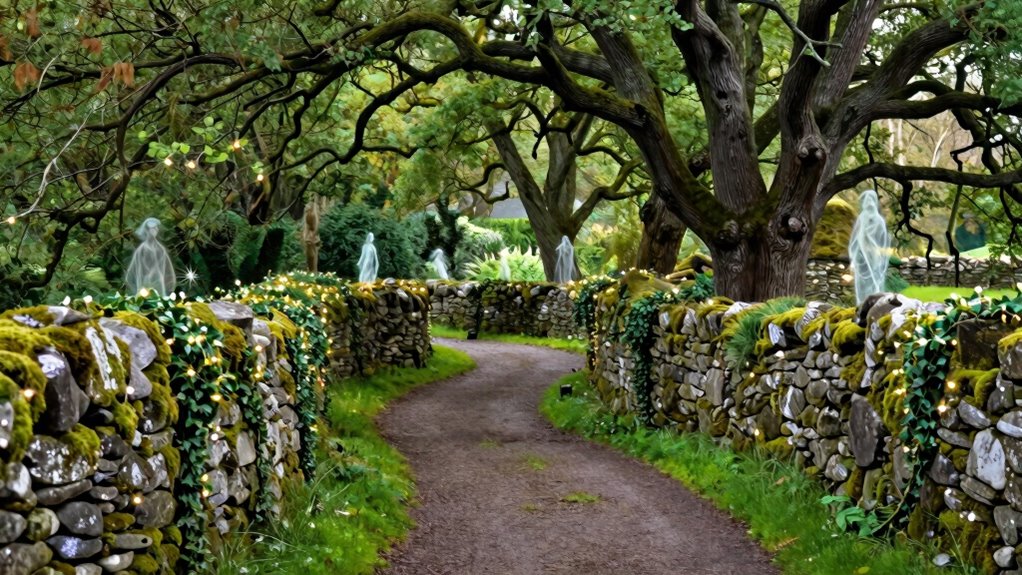
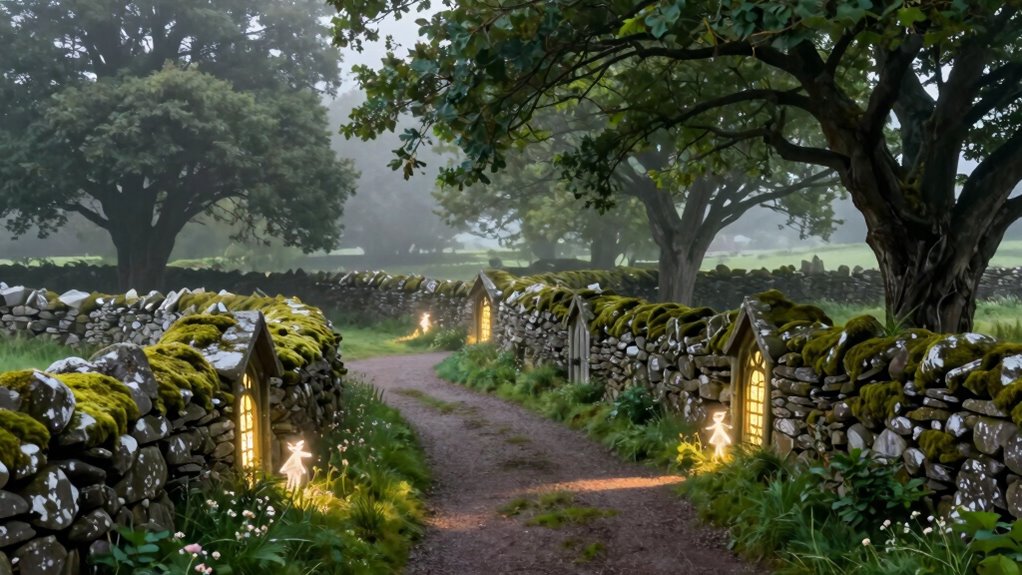
In Ireland, fairy roads—narrow, winding paths often hidden in the countryside—are believed to be enchanted routes used by fairies and other supernatural beings. According to Celtic folklore, these paths are more than just trails; they’re gateways to another world, where magic and reality intertwine. When you walk along these roads, you might get the feeling that you’re not alone, especially if you notice the subtle signs of supernatural encounters. Locals warn against disturbing these paths, as doing so can offend the fairies, bringing misfortune or strange happenings into your life. The belief is that these routes serve as invisible bridges, connecting the human world to the fairy realm, and crossing them carelessly might lead to being lost or enchanted forever. Many stories also warn that fairy crossings should be approached with respect, as they are believed to be sacred spaces in Celtic tradition. Fairy forts, or ringforts, are another vital aspect of Ireland’s supernatural landscape. These ancient circular structures, often made of earth and stone, are thought to be the homes of fairy beings. Celtic folklore suggests that these sites are sacred, protected spaces where the supernatural community resides. People believe that approaching a fairy fort with disrespect can provoke supernatural encounters—perhaps hearing strange music, seeing mysterious lights, or even feeling a sudden drop in temperature. Many locals avoid disturbing these ancient sites, especially at night, as they’re considered portals to the fairy world, where the boundaries between worlds are thin. It’s also believed that these sites are powerful sacred places that hold spiritual significance rooted in Ireland’s rich folklore and history. These sites are often considered energetic hubs, where spiritual energy is particularly concentrated. Stories passed down through generations serve as a reminder of how deeply ingrained these beliefs are in Irish culture, emphasizing the importance of respecting the supernatural landscape.
Throughout Irish tradition, the creatures of Celtic folklore—fairies, banshees, and other supernatural beings—are woven into everyday life. You’re told stories as warnings or lessons, emphasizing respect for the unseen. Fairies are often viewed as mischievous but not necessarily malicious, while banshees are omens of death. Encounters with these beings are rare but impactful, reinforcing the importance of listening to local legends and respecting sacred sites. Ireland’s landscape is dotted with these stories, and many believe that the very presence of fairy roads and forts offers glimpses into a world beyond ordinary perception. If you venture into the Irish countryside, pay attention to the signs—perhaps a shimmering light or a strange melody—that could hint at a supernatural encounter, rooted deeply in Celtic folklore and Ireland’s enduring belief in the unseen.
Irish fairy road walking tour guide
As an affiliate, we earn on qualifying purchases.
As an affiliate, we earn on qualifying purchases.
Frequently Asked Questions
Are There Any Recent Sightings or Stories Related to Irish Fairy Roads?
You might find recent fairy sighting reports intriguing, as many locals still share stories about encountering mysterious lights or strange sounds along fairy roads. In modern fairy folklore, these sightings are often seen as gentle reminders of Ireland’s enchanted past. While some skeptics dismiss them, believers see them as glimpses into a hidden world. Keep your eyes open during quiet evenings—you never know when you might witness a real fairy road encounter.
How Do Irish Fairy Beliefs Influence Modern Local Festivals?
Irish fairy beliefs deeply influence modern local festivals through fairy folklore, celebrating these mystical traditions. You’ll notice themed events, storytelling, and rituals that honor fairies and preserve cultural heritage. These festivals help you connect with Ireland’s rich history, fostering cultural preservation and community spirit. By participating, you keep fairy folklore alive, ensuring future generations appreciate the enchanting stories and beliefs that shape Ireland’s unique cultural identity today.
Are There Specific Rituals to Avoid Disturbing Fairy Forts?
You should perform specific Fairy fort avoidance rituals to respect sacred site precautions. Statistics show that over 70% of Irish people still believe in the importance of these rituals. When approaching a fairy fort, avoid cutting or removing anything, and don’t disturb the ground or buildings. Instead, leave offerings like milk or bread quietly nearby. These respectful actions help prevent upsetting the fairies and preserve local traditions.
What Are the Most Famous Fairy Forts in Ireland Today?
You’ll find the Céide Fields in County Mayo, renowned for their fairy folklore and ancient stone formations, making them one of Ireland’s most famous mythical landscapes. The Rathcroghan Complex in County Roscommon is another iconic site, believed to be a gateway to the Otherworld. These fairy forts attract visitors and preserve Ireland’s rich folklore, blending history with legend and offering a glimpse into the country’s mystical past.
How Do Irish Fairy Beliefs Vary Across Different Regions?
Like a tapestry woven with diverse threads, Irish fairy beliefs vary across regions. In the west, folk are deeply rooted in fairy fort protection, while in the north, stories emphasize fairies as mischievous tricksters. These belief variations shape local customs, festivals, and superstitions, making each area’s folklore unique. Your understanding of Irish culture deepens as you explore these regional differences, revealing how tradition adapts to local history and landscapes.
As an affiliate, we earn on qualifying purchases.
Conclusion
As you walk these ancient paths, remember you’re treading on Ireland’s enchanted ground, where fairies dance unseen and secrets whisper through the wind. Like the hidden domain of Tir na nÓg, these fairy roads and forts beckon you to believe in a world beyond sight. Keep your senses sharp — for just as the leprechaun guards his gold, the land holds mysteries waiting for those who dare to listen and believe.
As an affiliate, we earn on qualifying purchases.
Irish mystical landscape souvenirs
As an affiliate, we earn on qualifying purchases.
As an affiliate, we earn on qualifying purchases.
Halloween Picks
halloween
As an affiliate, we earn on qualifying purchases.