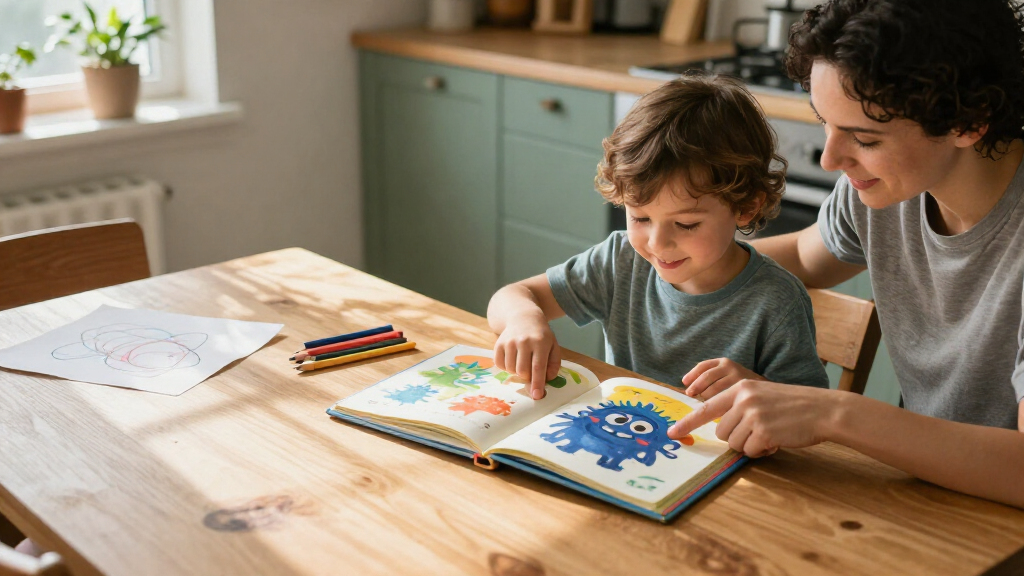
The best kids educational monster books make learning feel playful, whether a child wants to draw, read independently, explore folklore, or enjoy a monster-themed story. My best overall pick is How to Draw 101 Monsters for its hands-on, step-by-step approach; Go Away, Big Green Monster! stands out for interactive read-alouds, while 26 Monsters Under My Bed links monster fun with alphabet practice. The main tradeoff is between activity-led books and story or reference books, which serve different ages and learning goals. Some titles focus on early literacy, while others introduce creatures, facts, or creative play. Continue reading for the full breakdown and help matching a book to your child.

Prime made for students and young adults
- Fast, free delivery for dorm and study essentials
- Prime Video and Amazon Music included
- Member-only deals
Key Takeaways
Hands-on drawing leads for active learners: How to Draw 101 Monsters gives kids a clear creative task, while many other picks center on listening, reading, or browsing.
Interactive read-alouds suit younger children: Go Away, Big Green Monster! and There’s a Monster in Your Book invite participation, unlike the more information-led creature guides.
Early literacy appears in several distinct forms: 26 Monsters Under My Bed pairs monsters with the alphabet, while Monster Parade targets beginning readers with a leveled-reading format.
Monster reference books vary in scope: The Book of Monsters, The Monster Book for Kids, and The Monster Manual foreground creatures and facts, so buyers should check whether they want history, worldwide mythology, or legendary-beast coverage.
Scary subject matter is not one-size-fits-all: Titles such as The (Not-So-Scary) Book of Monsters and Go Away, Big Green Monster! offer gentler entry points than books emphasizing the scariest creatures.
| How to Draw 101 Monsters: Easy Step-by-Step Drawing |  | Best for Creative Practice | Subject: Monster drawing | Number of subjects: 101 | Format: Step-by-step drawing guide | VIEW LATEST PRICE | See Our Full Breakdown |
| The Book of Monsters: Discover the Scariest Creatures in History (Kid’s Guide) |  | Best for Beginner Folklore Learning | Subject: Mythical creatures and famous monsters from history | Audience: Children | Content style: Easy-to-read facts | VIEW LATEST PRICE | See Our Full Breakdown |
| Go Away, Big Green Monster! |  | Best for Interactive Fear-Facing | Format: Picture book | Theme: Halloween fears | Interaction: Children help make the monster disappear | VIEW LATEST PRICE | See Our Full Breakdown |
| The (Not-So-Scary) Book of Monsters |  | Best for a Gentle Monster Theme | Title: The (Not-So-Scary) Book of Monsters | Subject: Monsters, as indicated by the title | Format: Not specified | VIEW LATEST PRICE | See Our Full Breakdown |
| There’s a Monster in Your Book: A Funny Monster Book for Kids and Toddlers (Who’s in Your Book?) |  | Best for Toddler Storytime | Format: Children’s book | Audience: Kids and toddlers | Theme: Funny monster | VIEW LATEST PRICE | See Our Full Breakdown |
| 26 Monsters Under My Bed: An Alphabet Book |  | Best for Alphabet Practice | Book title: 26 Monsters Under My Bed: An Alphabet Book | Book type: Children’s book | Theme: Monsters | VIEW LATEST PRICE | See Our Full Breakdown |
| Are You a Monster? |  | Best for Monster-Themed Conversation | Title: Are You a Monster? | Series: Your Scary Monster Friend | Series volume: 1 | VIEW LATEST PRICE | See Our Full Breakdown |
| Monster Parade: A Funny Monster Book for Kids (Step into Reading, Step 2) |  | Best for Beginning Readers | Title: Monster Parade: A Funny Monster Book for Kids | Series: Step into Reading | Reading level: Step 2 | VIEW LATEST PRICE | See Our Full Breakdown |
| Never Touch the Monsters! |  | Best for Tactile-Book Shoppers to Investigate | Title: Never Touch the Monsters! | ASIN: 1789477069 | Product description: Not provided | VIEW LATEST PRICE | See Our Full Breakdown |
| Are You My Monster? (I Need My Monster) |  | Best for Families Seeking a Story-Led Monster Read | Title: Are You My Monster? (I Need My Monster) | ASIN: 1947277324 | Product description: Not provided | VIEW LATEST PRICE | See Our Full Breakdown |
| The Monster Book for Kids: Monstrous and Mythical Creatures from Around the World |  | Best for Global Creature Variety | Subject: Monstrous and mythical creatures | Geographic scope: Around the world | Audience: Kids | VIEW LATEST PRICE | See Our Full Breakdown |
| Children’s Book: Learn with Monster |  | Best for a Monster-Led Learning Hook | Subject: Learning with a monster character | Audience: Children | Format: Book; specific format not provided | VIEW LATEST PRICE | See Our Full Breakdown |
| Imagine If Classic Monsters Had Modern Jobs: An Illustrated Book with Fun Facts About Monsters |  | Best for Imaginative Facts | Collection: Crazy Ivan Collection | Format: Illustrated book | Subject: Classic monsters and modern jobs | VIEW LATEST PRICE | See Our Full Breakdown |
| The Monster Manual: Guide to Legendary Beasts and Creatures for Kids |  | Best for Creature-Guide Browsing | Subject: Legendary beasts and creatures | Audience: Kids | Creature count: Over ten legendary monsters | VIEW LATEST PRICE | See Our Full Breakdown |
| kids educational monster book | Format | ASIN | Audience | Subject |
|---|---|---|---|---|
| How to Draw 101 Monsters: Easy | Step-by-step drawing guide | 1842297422 | — | Monster drawing |
| The Book of Monsters: Discover | — | B0D9S9CXC2 | Children | Mythical creatures and famous monsters from history |
| Go Away | Picture book | 0316236535 | — | — |
| The | Not specified | 1088126634 | Not specified | Monsters, as indicated by the title |
| There’s a Monster in Your Book | Children’s book | 0525645780 | Kids and toddlers | — |
| 26 Monsters Under My Bed: An A | — | B09HFXGLFS | — | — |
| Are You a Monster? | — | 0711282501 | — | — |
| Monster Parade: A Funny Monste | — | 0375856382 | Kids | — |
| Never Touch the Monsters! | Not provided | 1789477069 | — | — |
| Are You My Monster? | Not provided | 1947277324 | — | — |
| The Monster Book for Kids: Mon | Book | — | Kids | Monstrous and mythical creatures |
| Children’s Book: Learn with Mo | Book; specific format not provided | — | Children | Learning with a monster character |
| Imagine If Classic Monsters Ha | Illustrated book | — | Young readers | Classic monsters and modern jobs |
| The Monster Manual: Guide to L | Guide | — | Kids | Legendary beasts and creatures |
More Details on Our Top Picks
How to Draw 101 Monsters: Easy Step-by-Step Drawing
How to Draw 101 Monsters makes monster learning hands-on: instead of only reading about creatures, children follow step-by-step instructions to draw them. Its 101 subjects give young artists plenty of designs to revisit, making it a stronger pick for creative practice than The Book of Monsters: Discover the Scariest Creatures in History, which focuses on facts and illustrations. The tradeoff is that this is a drawing guide, not a folklore or reading-skills book; the supplied details do not indicate creature histories, activities beyond drawing, or age guidance. I’d choose it for a child who likes making pictures and wants clear prompts, but skip it if the goal is learning where monsters come from or building a broader educational reading routine.
Pros:- Includes 101 monster subjects, offering a broad range of drawing prompts
- Step-by-step format breaks drawing into manageable stages
- Encourages active practice rather than passive reading
Cons:- The supplied description does not mention monster facts or cultural background
- Its educational value centers on drawing rather than broader literacy or science
- No age guidance or sample instruction details are provided
Best for: Children who enjoy drawing and want guided monster-themed art practice with many designs to choose from
Not ideal for: Families looking for folklore explanations, reading-comprehension activities, or a story-led picture book
- Subject:Monster drawing
- Number of subjects:101
- Format:Step-by-step drawing guide
- Series:How to Draw
- Book type:How-to-draw book
- Theme:Monsters
- ASIN:1842297422
Our verdict“Choose this guide for a young artist who wants structured monster-drawing practice rather than creature stories or folklore lessons.”
The Book of Monsters: Discover the Scariest Creatures in History (Kid’s Guide)
The Book of Monsters: Discover the Scariest Creatures in History is the clearest choice here for children curious about mythical creatures and famous monsters. Easy-to-read facts and colorful illustrations make it more reference-oriented than Go Away, Big Green Monster!, which centers on interactive play and Halloween fears. Its wide creature coverage can introduce folklore without asking young readers to tackle dense explanations. That accessible approach has a limit: the description notes that older readers seeking detail may find the treatment brief, and it gives no specific creature list or depth by topic. I’d pick this as an approachable first guide to monster legends, but choose another option if the child mainly wants a read-aloud story, drawing prompts, or more advanced mythology research.
Pros:- Introduces mythical and historical monsters in a child-oriented format
- Easy-to-read facts suit early exploration of folklore
- Colorful illustrations support interest in the subject
- Covers a wide range of creatures rather than focusing on one monster
Cons:- Limited depth may leave older or highly curious readers wanting more
- The description does not identify specific creatures or explain how topics are organized
- It is a guide rather than an interactive activity or narrative picture book
Best for: Young readers beginning to explore folklore and legendary creatures through short facts and illustrations
Not ideal for: Older children seeking detailed historical research, long-form explanations, or a story to read aloud
- Subject:Mythical creatures and famous monsters from history
- Audience:Children
- Content style:Easy-to-read facts
- Illustrations:Colorful illustrations
- Coverage:A wide range of mythological and historical creatures
- Book type:Kid’s guide
- ASIN:B0D9S9CXC2
Our verdict“Pick this guide for a child taking a first, accessible step into monster folklore, but not for readers who want substantial historical detail.”
Go Away, Big Green Monster!
Go Away, Big Green Monster! turns a monster into a participation prompt: children help make it disappear one feature at a time. That gives it a different educational purpose from How to Draw 101 Monsters, which builds drawing practice, and from the fact-focused The Book of Monsters. Here, the learning angle is emotional and interactive, with a playful way to engage Halloween fears rather than a lesson about folklore. Its narrow focus is also its main limitation: the supplied description does not suggest broad creature coverage, factual content, or a range of activities beyond the disappearing-monster premise. I’d choose it for a young child who benefits from taking part in a reassuring read-aloud, but not as a general monster reference book.
Pros:- Invites children to participate as the monster disappears feature by feature
- Uses a playful approach to Halloween fears
- Picture-book format suits shared reading
- A focused emotional theme gives it a distinct purpose from reference-style monster books
Cons:- The described premise centers on one monster rather than a variety of creatures
- Does not provide the folklore facts offered by The Book of Monsters
- The supplied details do not specify additional educational activities or age guidance
Best for: Adults seeking an interactive picture-book read-aloud to help young children engage playfully with Halloween fears
Not ideal for: Readers who want monster facts, drawing instruction, or a broad selection of creatures and legends
- Format:Picture book
- Theme:Halloween fears
- Interaction:Children help make the monster disappear
- Story approach:Monster features disappear one at a time
- Book type:Interactive children’s picture book
- ASIN:0316236535
Our verdict“Choose this picture book for an interactive, fear-focused read-aloud, not for broad monster facts or art instruction.”
The (Not-So-Scary) Book of Monsters
The (Not-So-Scary) Book of Monsters earns a place for families drawn to a reassuring monster-themed title, but the available product information is too sparse to judge its educational approach. Unlike Go Away, Big Green Monster!, whose description explains an interactive way to engage with Halloween fears, this listing does not identify a plot, activities, age range, illustrations, or learning content. The title suggests a gentler tone, but I can’t treat that as proof of how the book handles scares or what children will learn. That uncertainty makes this a cautious pick rather than a clear educational leader. I’d investigate a fuller description before buying; readers who want established facts or a defined activity may be better served by The Book of Monsters or How to Draw 101 Monsters.
Pros:- The title signals a potentially gentle take on monster subject matter
- Offers a monster-focused option distinct from the drawing guide and folklore reference
- May appeal to families looking for a less-frightening-sounding monster book
Cons:- No description is provided to confirm the book’s content or educational value
- Illustrations, format, activities, and age suitability are not specified
- The title alone cannot establish how reassuring or scary the book feels
Best for: Caregivers specifically seeking a monster-themed title whose name suggests a less scary tone and who can verify details before purchase
Not ideal for: Buyers who need confirmed educational content, a known age range, described activities, or a clear account of the story
- Title:The (Not-So-Scary) Book of Monsters
- Subject:Monsters, as indicated by the title
- Format:Not specified
- Audience:Not specified
- Educational content:Not specified
- Illustrations:Not specified
- ASIN:1088126634
Our verdict“Consider it only if the title appeals and you can check a fuller listing, since its educational content and tone are not described.”
There’s a Monster in Your Book: A Funny Monster Book for Kids and Toddlers (Who’s in Your Book?)
There’s a Monster in Your Book is aimed squarely at shared reading with kids and toddlers, using a funny monster theme rather than the structured instruction found in How to Draw 101 Monsters or the creature facts in The Book of Monsters. Its likely strength in this lineup is accessibility: a humorous children’s book can make monster subject matter feel approachable during storytime. Still, the supplied description does not explain how the reader participates, what skills the story supports, or whether it includes learning activities, so I would not choose it as a substitute for a drawing or folklore guide. I’d favor it for families wanting a toddler-oriented monster read, while buyers who need a clearly described educational method should select one of the more specifically documented options.
Pros:- Explicitly intended for kids and toddlers
- Funny monster theme can make the subject approachable for young listeners
- Part of the Who’s in Your Book? series
- Children’s-book format suits shared reading
Cons:- The supplied description does not specify educational skills or activities
- No plot details or interaction instructions are provided
- Offers less clearly defined learning content than the drawing and folklore guides
Best for: Families looking for a funny monster-themed book to share with toddlers and young children
Not ideal for: Buyers seeking confirmed interactive features, explicit learning activities, drawing lessons, or detailed monster facts
- Format:Children’s book
- Audience:Kids and toddlers
- Theme:Funny monster
- Series:Who’s in Your Book?
- Book type:Children’s monster book
- ASIN:0525645780
Our verdict“Choose this for toddler-friendly monster storytime, but opt for a more clearly described guide when learning activities are the priority.”
26 Monsters Under My Bed: An Alphabet Book
26 Monsters Under My Bed has the clearest learning focus in this group: its 26-monster premise pairs a monster theme with the alphabet, giving caregivers an easy way to connect each creature to letter practice. That makes it a more direct early-literacy choice than Monster Parade, which is identified as a Step 2 reader but does not specify alphabet instruction. The monster count also gives the concept a natural one-per-letter structure, though the supplied details do not confirm how the letters are presented or whether the book includes activities. That lack of format and story information makes it harder to judge its usefulness for independent reading. Choose it for a simple alphabet-and-monsters hook, not for a known reading-level progression or detailed learning program.
Pros:- Combines alphabet learning with a monster theme
- Features 26 monsters, matching the number of letters in the alphabet
- Offers a focused early-literacy angle within a monster-book roundup
Cons:- No reading level or specific learning activities are provided
- Story structure and book format are not described
Best for: Caregivers seeking a monster-themed book to pair with early alphabet recognition and letter-naming practice
Not ideal for: Buyers who need a confirmed reading level, interactive exercises, or details about story length and format
- Book title:26 Monsters Under My Bed: An Alphabet Book
- Book type:Children’s book
- Theme:Monsters
- Learning focus:Alphabet
- Number of monsters:26
- ASIN:B09HFXGLFS
Our verdict“Choose this for a straightforward alphabet-themed monster book, but pick Monster Parade if a stated beginner reading level matters more.”
Are You a Monster?
The available information for Are You a Monster? confirms its place in the Your Scary Monster Friend series and identifies it as volume one, but gives no description of its story or educational content. Its strongest distinction here is that series connection: families who want to explore related monster titles may find that more useful than a standalone pick such as 26 Monsters Under My Bed, which has a clear alphabet-learning premise. I would treat this as a tentative choice for shared reading and conversation rather than assume it teaches a particular skill. The missing details also make it difficult to judge reading level, tone, or suitability for children who are wary of scary imagery. Choose it when the title and series appeal, while recognizing the limited information.
Pros:- Identified as the first volume in Your Scary Monster Friend
- Monster-centered title may invite imaginative discussion
- Provides a series connection for readers seeking related books
Cons:- No product description is available to confirm its learning content
- Reading level, format, and tone are not specified
- The title alone may not clarify whether its monster theme suits sensitive readers
Best for: Caregivers interested in trying the first volume of a monster-themed series and willing to preview the book before reading
Not ideal for: Buyers looking for a clearly described educational skill, age range, or reading level
- Title:Are You a Monster?
- Series:Your Scary Monster Friend
- Series volume:1
- ASIN:0711282501
- Product description:Not provided
- Reading level:Not provided
Our verdict“Consider it for a series-led monster read, but choose 26 Monsters Under My Bed or Monster Parade when the learning focus needs to be clear.”
Monster Parade: A Funny Monster Book for Kids (Step into Reading, Step 2)
Monster Parade is the strongest fit here for children ready to practice reading: its Step into Reading, Step 2 designation gives families a clearer literacy signal than the unspecified levels for Are You a Monster? and Never Touch the Monsters!. The funny parade-of-monsters premise can make practice feel playful, while the series framing helps distinguish it from alphabet-focused 26 Monsters Under My Bed. Its educational value is chiefly reading practice, not a stated lesson in science or monster facts. The supplied description does not give word count, specific skills, or age guidance, so I would not assume it suits every emerging reader. This is the most practical choice when a defined step level matters, though readers seeking richer factual instruction should look elsewhere in the roundup.
Pros:- Step 2 designation gives a clearer reading-level guide than the listings without level information
- Humorous monster parade offers an engaging context for practice
- Part of the Step into Reading series
Cons:- Learning focus is reading practice rather than a stated topic lesson
- No word count, age guidance, or specific literacy skills are provided
Best for: Families seeking a humorous monster story with a stated Step 2 reading level for a child practicing early reading
Not ideal for: Readers seeking alphabet instruction, factual monster learning, or a detailed curriculum-style activity book
- Title:Monster Parade: A Funny Monster Book for Kids
- Series:Step into Reading
- Reading level:Step 2
- Audience:Kids
- Theme:Funny monsters and a parade
- ASIN:0375856382
Our verdict“Pick Monster Parade for guided beginner reading practice; choose 26 Monsters Under My Bed if alphabet learning is the priority.”
Never Touch the Monsters!
Never Touch the Monsters! has a title that suggests a playful monster-centered premise, but the supplied listing gives no description, format, or learning details. That makes it a much less certain educational pick than Monster Parade, which names both a reading series and a Step 2 level, or 26 Monsters Under My Bed, which clearly identifies alphabet learning. I would only shortlist this book if its full listing confirms the interaction or learning feature your child wants; the title alone is not enough to establish that it is tactile, interactive, or educational. The main tradeoff is uncertainty: it may suit a family drawn to its playful framing, but there is not enough information here to match it confidently to a reading stage or learning goal.
Pros:- Monster-focused title offers a playful theme
- Could appeal to families looking for an alternative to alphabet or early-reader formats
- Provides a distinct title concept within the monster-book selection
Cons:- No product description or educational details are provided
- Format and any interactive features are unconfirmed
- No reading level or audience guidance is available
Best for: Caregivers who are drawn to the playful title and can check the full listing for format, age guidance, and learning features before buying
Not ideal for: Families who need a confirmed reading level, educational objective, or specific interactive feature
- Title:Never Touch the Monsters!
- ASIN:1789477069
- Product description:Not provided
- Format:Not provided
- Reading level:Not provided
- Educational focus:Not provided
Our verdict“Treat this as a shortlist-only option until its full listing confirms what children will read or do with it.”
Are You My Monster? (I Need My Monster)
Are You My Monster? (I Need My Monster) is listed without a description, so its educational value and connection to the parenthetical title cannot be verified from the supplied details. It may interest families looking for a story-led monster book, but that is an inference from the title rather than a confirmed feature. Compared with Monster Parade, it lacks a stated reading level; compared with 26 Monsters Under My Bed, it has no specified learning focus. That leaves less guidance for choosing by reading stage or educational goal. I would select it only when the full listing or a preview confirms the story suits the child, rather than relying on the title to establish content, tone, or difficulty.
Pros:- Monster-centered title may appeal to children who enjoy creature stories
- Distinct from the explicitly alphabet-focused 26 Monsters Under My Bed
- Could suit families looking beyond a named step-level reader, subject to checking the listing
Cons:- No product description is available to confirm plot or educational value
- Reading level, audience, and format are not specified
- The relationship between the parenthetical title and book content is unclear
Best for: Caregivers who want to investigate a possible narrative monster book and can preview its contents before choosing
Not ideal for: Buyers who need verified literacy instruction, a stated reading level, or a clear description of the story
- Title:Are You My Monster? (I Need My Monster)
- ASIN:1947277324
- Product description:Not provided
- Format:Not provided
- Reading level:Not provided
- Educational focus:Not provided
Our verdict“Choose it only after checking a preview; Monster Parade is a clearer option when reading-stage guidance matters.”
The Monster Book for Kids: Monstrous and Mythical Creatures from Around the World
Best for broad creature discovery, this title takes a wider geographic approach than The Monster Manual: Guide to Legendary Beasts and Creatures for Kids, whose description specifies a collection of more than ten legendary creatures. The worldwide scope may help children connect monster stories with folklore from different places, making it a better fit for browsing and conversation than a book centered on a single activity such as How to Draw 101 Monsters. The limitation is that no details are provided about the creatures included, reading level, illustrations, or learning features, so I can’t judge how much context or factual depth the book offers. I’d choose it for a child who enjoys comparing mythical beings, but not as a dependable pick for a particular age or curriculum need.
Pros:- Covers monstrous and mythical creatures from around the world
- Offers a folklore-focused alternative to drawing and alphabet-based monster books
- The broad subject can prompt discussion about creatures and their origins
Cons:- The available description does not identify which creatures or cultures are included
- No reading-level, illustration, or learning-format details are provided
- The amount of factual context cannot be judged from the supplied information
Best for: Families looking for a monster-themed introduction to mythical creatures from different parts of the world, without needing a specific activity format.
Not ideal for: Buyers who need confirmed reading-level, illustration, or educational-content details before choosing a book.
- Subject:Monstrous and mythical creatures
- Geographic scope:Around the world
- Audience:Kids
- Format:Book
- Learning focus:Creature and mythology discovery
- Creature count:Not specified
Our verdict“Choose this for worldwide mythical-creature variety, but pick a more clearly described guide if you need to know exactly what children will learn.”
Children’s Book: Learn with Monster
A monster character is the learning hook here, which makes this a distinct choice from reference-style titles such as The Monster Book for Kids: Monstrous and Mythical Creatures from Around the World. Its title signals a learning-oriented book, but the available description does not say what children learn, how the monster guides them, or whether the format includes activities, stories, or facts. That uncertainty matters: compared with Imagine If Classic Monsters Had Modern Jobs, which is described as illustrated and includes fun facts, this book offers less evidence about the learning experience. I’d consider it when the character-led concept appeals to a young reader, but I would not select it to teach a specific subject without more content information.
Pros:- Presents learning through a monster character
- Has an educational premise rather than a purely monster-themed title
- May suit children more drawn to a character-led approach than a creature encyclopedia
Cons:- The subject or skills taught are not specified
- The description does not clarify whether it is a story, activity book, or fact book
- No format, illustration, or reading-level details are available
Best for: Caregivers seeking a monster-character book with an explicitly learning-oriented premise and who are comfortable checking the contents before buying.
Not ideal for: Families choosing by a specific learning goal, reading level, activity type, or illustration style, since those details are not supplied.
- Subject:Learning with a monster character
- Audience:Children
- Format:Book; specific format not provided
- Learning approach:Monster-character-led
- Specific learning topics:Not specified
- Illustration details:Not specified
Our verdict“Pick this only if the monster-led learning concept is the main draw and you can verify that its content matches your child’s needs.”
Imagine If Classic Monsters Had Modern Jobs: An Illustrated Book with Fun Facts About Monsters
Playful premise plus monster facts gives this book a clearer educational angle than Children’s Book: Learn with Monster, whose description does not name the learning content. By placing classic monsters in modern jobs, it can give young readers a memorable way to engage with familiar monster ideas, while the illustrations support the imaginative setup. It is less of a traditional creature guide than The Monster Manual: Guide to Legendary Beasts and Creatures for Kids, so I’d favor that title for straightforward legendary-beast browsing and this one for humor and creative discussion. The tradeoff is that the supplied details do not identify the facts, reading level, or specific monsters, making it hard to judge depth or age fit.
Pros:- Pairs an imaginative modern-jobs premise with monster facts
- Illustrations support the book’s playful concept
- Designed for young readers
- Offers a more creative angle than a conventional creature guide
Cons:- The specific monsters and facts are not listed in the supplied details
- No reading level or age range is given
- The modern-jobs concept may offer less direct reference value than a creature guide
Best for: Young readers who enjoy illustrated humor and imaginative prompts, with adults who want monster facts alongside the creative premise.
Not ideal for: Readers seeking a systematic guide to legendary creatures or buyers who need a specified age range, fact topics, or reading level.
- Collection:Crazy Ivan Collection
- Format:Illustrated book
- Subject:Classic monsters and modern jobs
- Audience:Young readers
- Additional content:Fun facts about monsters
- Illustrations:Included
Our verdict“Choose this for illustrated, imaginative monster learning rather than a structured guide to legendary creatures.”
The Monster Manual: Guide to Legendary Beasts and Creatures for Kids
A kid-friendly creature guide is the clearest fit here for children who want to browse legendary beasts and collect facts. The description promises more than ten monsters, fun facts, and illustrations, giving it a more concrete reference-book profile than Children’s Book: Learn with Monster, where the subject taught is unspecified. It also differs from Imagine If Classic Monsters Had Modern Jobs: that title uses a creative modern-jobs premise, while this one prioritizes legendary creatures. The tradeoff is limited detail about which beasts appear, how the facts are organized, or the intended reading level. I’d choose it for visual, fact-led browsing, but not for a child who wants a defined activity or a tightly specified folklore curriculum.
Pros:- Features more than ten legendary monsters
- Includes fun facts and illustrations
- The guide format supports browsing and revisiting individual creatures
- Its reference angle is clearer than books with unspecified learning content
Cons:- The specific legendary beasts are not identified in the supplied description
- No reading level or age range is provided
- The described format does not promise drawing, quizzes, or other hands-on activities
Best for: Children who like flipping through illustrated creature facts and caregivers seeking a clearly monster-focused reference-style book.
Not ideal for: Buyers who need a stated reading level, a named list of creatures, or an activity-based learning format.
- Subject:Legendary beasts and creatures
- Audience:Kids
- Creature count:Over ten legendary monsters
- Content:Fun facts
- Illustrations:Included
- Format:Guide
Our verdict“Choose this for illustrated, fact-led browsing across multiple legendary creatures, not for a hands-on monster activity book.”
How We Picked
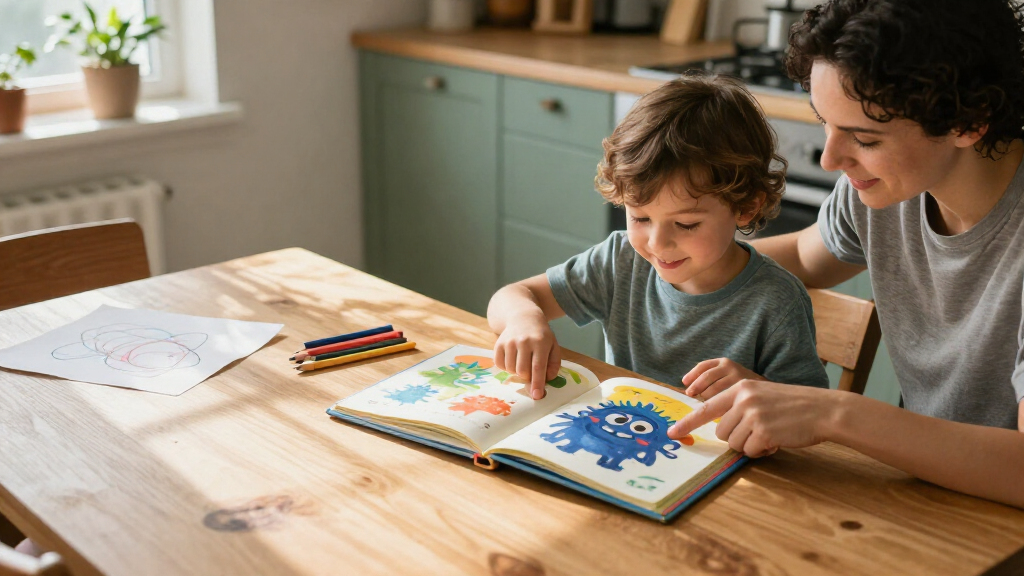
I compared the 14 titles by the kind of learning they support: early literacy, drawing and creativity, interactive reading, and monster knowledge. I also looked at how clearly each book’s title and format signal its intended use, since a child who wants to make art needs something different from a family seeking a short bedtime read or a creature reference book. A useful educational pick should give children a meaningful way to participate or learn, not rely on monster imagery alone.
The ranking favors clear learning value, broad usefulness, and ease of matching to a child’s interests. That puts the drawing activity book first as a flexible, hands-on choice, with interactive and alphabet-focused titles close behind for specific early-learning needs. More specialized reference books rank lower for general use, not because they lack appeal, but because they suit narrower interests or may be less engaging for children who prefer stories and activities. Age, reading level, and comfort with spooky themes can change which option is the right pick for a family.
| kids educational monster book | Audience |
|---|---|
| How to Draw 101 Monsters: Easy | — |
| The Book of Monsters: Discover | Children |
| Go Away | — |
| The | Not specified |
| There’s a Monster in Your Book | Kids and toddlers |
| 26 Monsters Under My Bed: An A | — |
| Are You a Monster? | — |
| Monster Parade: A Funny Monste | Kids |
| Never Touch the Monsters! | — |
| Are You My Monster? | — |
| The Monster Book for Kids: Mon | Kids |
| Children’s Book: Learn with Mo | Children |
| Imagine If Classic Monsters Ha | Young readers |
| The Monster Manual: Guide to L | Kids |
Factors to Consider When Choosing Kids Educational Monster Books
Monster books can support very different kinds of learning, so I’d start with what your child will actually do with the book. These choices help separate activity books, read-alouds, early readers, and creature guides before you decide.
Match the Learning Goal to the Book Format
Decide whether your child is most interested in making, reading, listening, or finding out facts. A drawing book can hold the attention of a child who likes to follow steps and produce something, while an interactive story works better when an adult and child share the page. Alphabet and leveled-reading titles connect monster themes to specific literacy practice. A reference book may prompt browsing and questions rather than a start-to-finish read. A common mismatch is buying a fact-heavy book for a child who mainly wants a story. Choose the activity first, then look for a monster theme that supports it.
Use Reading Readiness, Not Just Age
Children of the same age can have very different reading stamina and interests. A beginning reader may enjoy a book designed for early independent reading, while a younger child can still take part in a more advanced reference book if an adult reads it aloud. Check whether the pages invite short bursts of attention or expect a child to follow longer explanations. Illustrations and prompts can help keep a shared reading session active. Avoid treating a book labeled for kids as automatically suitable for every reader. Think about whether your child will read alone, share the book with you, or move between both.
Check the Spookiness in Context
“Monster” can mean silly, friendly, mysterious, or frightening, and a title’s tone may not match every child’s comfort level. If your child is sensitive to scary imagery, look for a playful or reassuring framing rather than choosing a book solely because it is educational. Older children fascinated by folklore may welcome more intense creature descriptions, but they may still prefer facts over frightening scenes. Consider when the book will be read: a spooky reference book may be better suited to daytime browsing than bedtime for some children. If you are unsure, preview the illustrations or read a sample together. That small check can prevent a promising book from becoming one your child avoids.
Choose the Right Kind of Educational Content
Educational value can come from practice, conversation, or information, and those benefits are not interchangeable. Alphabet books support letter recognition, while drawing prompts build attention to shapes and sequences. Interactive stories can encourage listening, prediction, and participation without feeling like a lesson. Creature guides may spark curiosity about folklore and cultural stories, though they are less likely to provide structured reading practice. A frequent mistake is assuming that more facts always mean more learning. Pick the skill or curiosity you want to encourage, then favor the format that invites your child to return to it.
Think About Adult Participation
Some monster books work best when a grown-up reads, asks questions, or helps a child follow an activity; others are better suited to independent browsing. If you need a shared read-aloud, favor books built around interaction, repetition, or a clear story moment. For independent time, consider whether the child can use the book without frequent help, especially with drawing steps or unfamiliar creature names. Adult involvement can turn a simple monster story into a conversation about letters, feelings, or myths. Still, a book that requires more guidance may be a poor fit when the goal is quiet solo reading. Match the expected participation to the time and support your household can offer.
Decide Whether You Want a Favorite Read or a Reference Book
A story or activity book often earns repeat use through a familiar routine, while a reference title may be picked up in short bursts to explore individual creatures. Neither approach is better for every child. If your child enjoys rereading, prioritize a strong read-aloud rhythm or a playful task they can repeat. If curiosity comes in questions and tangents, broader creature coverage may be more rewarding. Consider how the book will fit alongside what your child already owns; another general monster guide may add less than a focused alphabet or drawing book. The best choice is the one that gives your child a reason to open it again.
Frequently Asked Questions
Which kind of monster book is best for a child who is not reading independently yet?
Look for a book that gives the child something to do while an adult reads, such as responding to prompts, noticing changes in the pictures, or joining in repeated phrases. Interactive titles can make shared reading feel participatory rather than passive. Alphabet books can also work well if the adult names letters and connects them to the illustrations. A reference guide may still be enjoyable, but it usually benefits from an adult choosing and explaining individual pages. Let your child’s attention and comfort with the imagery guide the choice more than a broad age label.
Are monster reference books a good choice for learning about real folklore?
They can introduce children to legendary creatures and give families a starting point for questions about stories and traditions. The titles in this roundup vary in their stated scope, including historical creatures, worldwide mythical beings, and legendary beasts. A book’s monster theme alone does not tell you how carefully it explains origins or cultural context. If accuracy and representation matter to your family, preview the contents and check how the book distinguishes legends from real animals or historical beliefs. Treat it as a conversation starter rather than assuming every reference title offers the same depth.
Should I choose an alphabet book or a leveled reader for early literacy?
Choose an alphabet book when letter recognition and playful exposure to the alphabet are the main goals. A leveled reader makes more sense when a child is ready to practice reading connected text with some independence. These formats serve different stages and can complement one another rather than compete. Watch how your child responds: a child who enjoys naming letters may benefit from the alphabet format, while one eager to decode words may want a beginner reader. Avoid moving to a harder format just because it seems more advanced; successful, willing practice matters more.
How can I tell whether a monster book will be too scary?
Start with the title’s framing, then check sample illustrations and descriptions before buying. A playful or explicitly gentle presentation may suit a child who likes monsters but dislikes suspense, while a guide centered on the scariest creatures may be a better match for a confident older reader. Children can react differently to text and pictures, so previewing both is useful. You can also read the first few pages together and let your child decide whether to continue. If the book is meant for bedtime, choose a tone that leaves your child comfortable afterward.
Is a drawing book or a storybook a better gift for a child who likes monsters?
Use the child’s usual way of playing as your guide. A child who draws, follows instructions, or likes making things may get more from a step-by-step activity book, while a child who asks for shared stories may prefer an interactive read-aloud. If you are unsure, consider whether the gift should encourage solo activity or time together. Drawing books can involve trial and error, so they suit children who are comfortable experimenting rather than expecting perfect results. A storybook is often a safer choice when you want an easy shared routine, but it may offer less hands-on practice.
Conclusion
For most families, I’d start with How to Draw 101 Monsters as the best overall pick, especially for children who like hands-on activities. Best value in learning variety: 26 Monsters Under My Bed combines monster appeal with alphabet practice, while best for beginners is Monster Parade for children ready to try an early reader. Choose Go Away, Big Green Monster! for a shared, interactive read-aloud, or a creature guide such as The Monster Book for Kids when curiosity about mythical beings is the priority. For a premium-style choice centered on broader creature discovery, compare The Monster Manual and The Book of Monsters against your child’s interest in legendary beasts or historical creatures. The right pick depends less on how many monsters a book contains and more on whether your child wants to draw, read, listen, or explore.