Gifts in the legends of Befana and Santa symbolize kindness, generosity, and moral virtues, helping to strengthen cultural traditions and community bonds. They represent love, hope, and the importance of sharing with others during special times. These customs teach valuable lessons about caring and good behavior, making them more than just presents. If you want to discover how these traditions continue to inspire kindness today, there’s more to explore below.
Key Takeaways
- Gifts symbolize love, kindness, and moral virtues in both legends, reinforcing positive behavior in children.
- In Befana’s story, gifts like sweets and toys reward children’s virtues and good conduct.
- Santa’s gifts promote sharing, joy, and strengthen emotional bonds among loved ones.
- The act of gift-giving teaches values of generosity, caring, and community spirit across traditions.
- Both legends use gifts to convey moral lessons and foster cultural continuity through festive customs.

The legends of Befana and Santa Claus both revolve around the tradition of giving gifts, but they each carry unique origins and cultural significance. As you participate in these festive traditions, you’re part of a rich history that emphasizes the importance of generosity and kindness. Gifts in both legends serve more than just material exchange—they symbolize love, hope, and the spirit of giving that unites communities during special times of the year.
In Italian culture, Befana’s story centers on a kind witch who delivers gifts to children on the night of January 5th. When you leave out your shoes, you’re engaging in a ritual that echoes ancient beliefs about welcoming good fortune and warding off evil. The gift symbolism here is deeply rooted in the idea of rewarding good behavior and encouraging moral virtues. The presents Befana leaves—whether sweets, small toys, or fruit—are tokens of appreciation for children’s virtues throughout the year, reinforcing the idea that kindness and good conduct are valued above all.
Meanwhile, in Western traditions, Santa Claus embodies the spirit of joy and generosity. As you hang stockings or prepare cookies, you’re part of a festive tradition that celebrates giving without expecting anything in return. Santa’s gift-giving reflects a broader cultural value: that sharing joy and abundance can bring happiness to all. The act of receiving gifts from Santa isn’t just about material possessions; it’s about participating in a collective act of kindness that strengthens bonds between loved ones. The gift symbolism here emphasizes the importance of thoughtfulness—choosing gifts that bring joy and show appreciation helps reinforce emotional connections and the true meaning of the season.
Both legends use gift-giving as a way to teach values—whether it’s the moral lessons of Befana or the generous spirit of Santa. When you partake in these customs, you’re actively keeping alive a tradition that transcends generations. It’s not just about the gifts themselves but about the message they carry: that giving, caring, and sharing are fundamental parts of these festive celebrations. These traditions also foster a sense of community and continuity, reminding you that the act of giving creates a ripple effect of kindness that extends beyond individual households. Additionally, modern interpretations of these legends sometimes incorporate Vetted electric bike conversion kits as thoughtful, practical gifts that promote sustainability and active lifestyles, aligning with the values of kindness and care.
Ultimately, the role of gifts in Befana and Santa legends highlights the universal importance of generosity. Whether you’re leaving out shoes for Befana or hanging stockings for Santa, you’re participating in a cultural practice that emphasizes the gift symbolism—signifying hope, virtue, and the enduring power of kindness during special times of the year.
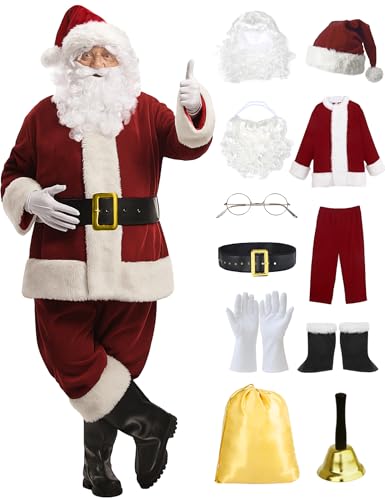
ADOMI Santa Claus Costume for Men Adults Santa Suit 11pcs Mens Red Deluxe Christmas Clause Outfit Cosplay Vacation Suits Set XL
Durable Flocking and Faux Fur Material: The ADOMI Professional Santa Claus Costume is made of soft flocking fabric…
As an affiliate, we earn on qualifying purchases.
As an affiliate, we earn on qualifying purchases.
Frequently Asked Questions
How Did the Gift-Giving Tradition Originate in Befana and Santa Legends?
You can trace the gift-giving tradition in Befana and Santa legends to their historical origins, where it symbolized kindness and generosity. In Santa’s case, it’s linked to Saint Nicholas, who was known for secret almsgiving, while Befana’s story reflects cultural symbolism of gift-bringing on Epiphany to reward good children. Both legends emphasize the importance of giving, reinforcing moral values through their rich cultural symbolism.
Are There Regional Differences in Gifts Exchanged During These Celebrations?
Like a tapestry woven with different threads, regional variations and cultural influences shape the gifts exchanged during Befana and Santa celebrations. You’ll notice that in Italy, Befana leaves small gifts and sweets, while in the United States, Santa’s gift-giving often includes toys and larger presents. These differences reflect local customs, history, and traditions, making each celebration unique and richer in cultural significance.
What Materials Are Traditionally Used for Gifts in Each Legend?
You’ll find that traditional gifts in the Befana legend often involve simple, handmade items or sweets, wrapped in traditional paper for charming gift presentation. In Santa’s legend, gifts are usually wrapped in colorful paper with bows, emphasizing festive traditional wrapping. Both legends highlight the importance of thoughtful gift presentation, with materials like paper, fabric, and ribbons enhancing the holiday spirit and making each gift feel special.
How Have Modern Influences Changed the Gift-Giving Practices?
You see how modern influences shape gift-giving, turning traditions into symbols of commercial success. Cultural adaptations blend old legends with new practices, making gifts more elaborate or accessible. Commercial influences, like advertising and mass production, often overshadow the original spirit of giving. Yet, if you focus on the meaning behind the gifts, you preserve the heartfelt connection that these legends have always represented, despite changing times.
Do the Legends Influence Gift Preferences Among Children Today?
Yes, the legends influence your children’s gift preferences today by shaping their cultural impact and childhood expectations. They might expect special gifts from Befana or Santa, believing in their magic and tradition. This can lead them to desire specific items associated with these stories, reinforcing the importance of cultural customs. As a result, these legends continue to mold what children hope to receive, keeping the traditions alive in modern times.
Befana sweets and small toys
As an affiliate, we earn on qualifying purchases.
As an affiliate, we earn on qualifying purchases.
Conclusion
You might be surprised to learn that nearly 90% of children in Italy believe in Befana’s gift-giving, similar to Santa in many countries. Gifts play a crucial role in both legends, symbolizing kindness and generosity. As you celebrate these traditions, remember that the joy of giving and receiving creates lasting memories. Whether it’s Befana’s broom or Santa’s sleigh, these stories remind us of the magic that comes with sharing gifts during the holidays.

Waybla Stocking Stuffers for Kids – 4 Pack Christmas Slime Kit, Soft Butter Slime Balls, DIY Slime Toys, Xmas Gifts & Classroom Rewards for Boys, Girls & Teens
4 HOLIDAY SLIME BALLS – Each set includes 4 Christmas-themed slime balls, featuring fun designs like Santa, Snowman,…
As an affiliate, we earn on qualifying purchases.
As an affiliate, we earn on qualifying purchases.

RMJOY Rainbow Scratch Paper Art for Kids: 50PCS Magic Arts Crafts Gifts Toys for Girls Boys Ages 3-12 Games Activities for Birthday Party Family Day Classroom Prizes Easter Basket Stuffers(Boys)
Best Easter Gifts for Kids: these funny rainbow scratch paper Easter party favors art toys are super perfect…
As an affiliate, we earn on qualifying purchases.
As an affiliate, we earn on qualifying purchases.