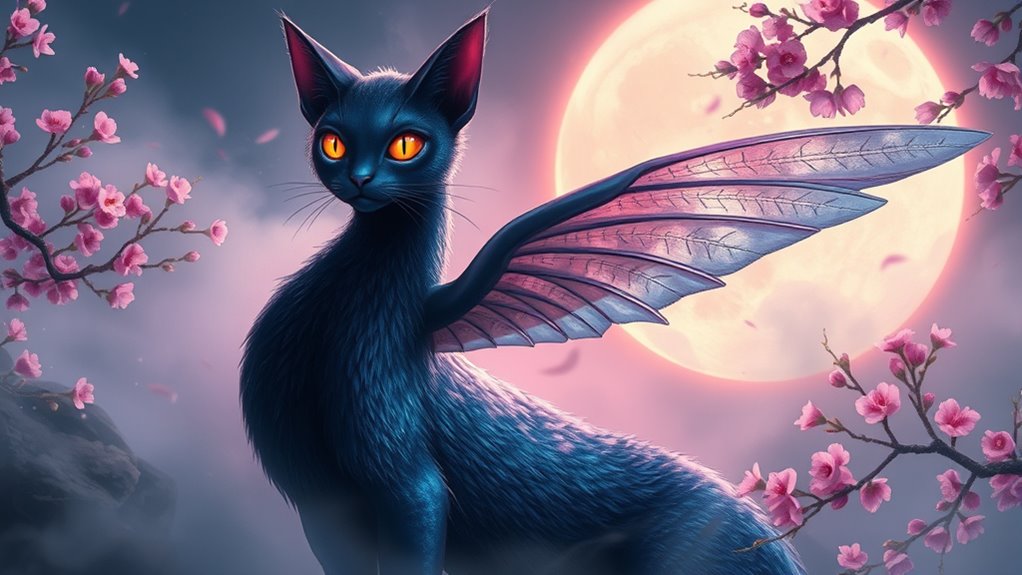

The Baku, inspired by the Japanese Dream-Eater myth, symbolizes resilience and the power of subconscious fears within Baku’s rich cultural landscape. It represents a guardian that feeds on nightmares, offering peace and rest to those it protects. This myth bridges Japanese folklore and Azerbaijani storytelling, reflecting how communities confront adversity through symbolism. If you continue exploring, you’ll discover how this legend shapes local art, stories, and the city’s layered identity in fascinating ways.
Key Takeaways
- The Baku is inspired by Japanese folklore, symbolizing a dream-eater that feeds on nightmares to promote restful sleep.
- It represents a guardian figure embodying resilience, transforming fears and subconscious nightmares into peace.
- The myth highlights the connection between dreams and reality, serving as a metaphor for confronting and overcoming fears.
- In Baku’s cultural scene, the dream-eater influences art, poetry, and storytelling, blending Japanese symbolism with Azerbaijani culture.
- The legend underscores themes of resilience, hope, and subconscious exploration, fostering cultural understanding and shared mythic identity.
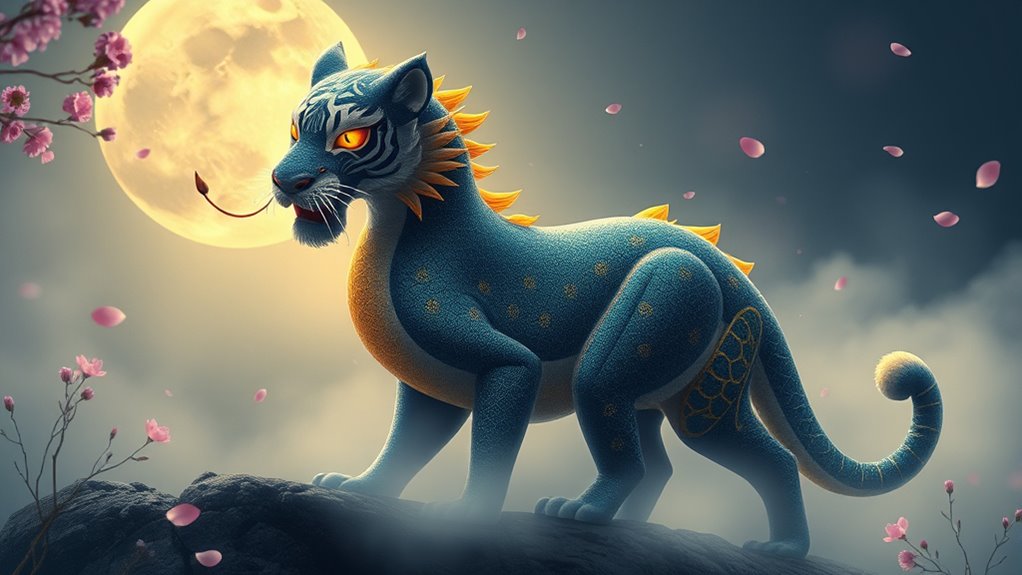
Have you ever wondered what makes Baku, the capital of Azerbaijan, such a captivating city? It’s a place where East meets West, blending ancient history with contemporary innovation. But beyond its breathtaking skyline and rich culture, Baku has an enigmatic charm rooted in stories and symbolism that echo far beyond its borders. One fascinating aspect is the legend of the Baku, a creature inspired by Japanese folklore, often called the “dream-eater.” This creature represents the intricate relationship between dreams and reality, weaving a narrative that resonates with the city’s own layered identity. Japanese folklore is filled with mythical beings that serve as guardians or tricksters, and the Baku fits into this tradition as a symbol of dream symbolism. It’s said to visit people during their sleep, feeding on nightmares and negative dreams, leaving them with tranquil, restful sleep. In Baku, this legend takes on a local flavor, embodying the city’s spirit of resilience and hope amidst challenges. The idea of a dream-eater isn’t just about folklore; it’s a metaphor for confronting fears and transforming nightmares into opportunities for growth. You might find local artists and storytellers drawing inspiration from this myth, weaving it into murals, poetry, and dance, creating a bridge between Japanese symbolism and Azerbaijani culture. The Baku, in this context, becomes more than just a legend—it stands for the power of subconscious imagery, the way dreams shape our perceptions, and how myths help communities process their fears. When you walk through Baku’s streets, you can sense the city’s embrace of myth and meaning, as if the spirit of the dream-eater quietly observes its inhabitants. It’s a reminder that, just like the creature from Japanese folklore, you have the capacity to confront your own nightmares and turn them into stories of strength. The symbolism of dream-eating, in both Japanese culture and Baku’s local tales, emphasizes the importance of understanding what lurks beneath the surface of your conscious mind. It encourages you to embrace your fears, knowing they can be transformed through awareness and storytelling. This mythological being becomes a metaphor for resilience, showing that even the darkest dreams can be confronted and understood. In Baku, legends and dream symbolism blend to create a city that’s alive with stories of overcoming adversity, inspiring you to explore your own subconscious and find meaning in your dreams. The Baku, the dream-eater, reminds you that every nightmare holds the potential for insight, and that myths from across the world can serve as mirrors reflecting your own journey toward understanding and peace. Recognizing the significance of cultural intelligence can deepen your appreciation for how diverse communities incorporate myth and symbolism to foster resilience and shared identity.

ONLY FROM JAPAN Bang Dream! MYGO Collectible Figurines (Kaname Rakuna)
- Official Japan Import: Authentic Japanese merchandise
As an affiliate, we earn on qualifying purchases.
As an affiliate, we earn on qualifying purchases.
Frequently Asked Questions
What Inspired the Creation of the Baku: Japanese Dream-Eater?
You’re inspired by dream symbolism and cultural significance when creating the Baku: Japanese Dream-Eater. The design reflects Japan’s rich folklore, where the Baku is believed to devour nightmares, symbolizing protection and comfort. You want to capture the mystical essence of the creature, blending traditional beliefs with modern artistry, so people can connect with its cultural roots and find reassurance in its mythic role as a dream protector.
Are There Any Real-Life Legends Associated With the Baku?
You’ll find that real-life legends about the baku are rare, but it’s deeply rooted in Japanese folklore symbolism. As a mythical creature believed to devour nightmares, it’s often linked to dream interpretation, representing protection from harmful dreams. These stories have inspired countless tales, making the baku a powerful symbol of comfort and hope. Its mythic presence is so profound that it’s said to ward off nightmares like a celestial guardian.
How Is the Baku Depicted in Japanese Folklore?
In Japanese folklore, the baku is depicted as a mystical creature with an elephant’s trunk, a tapir’s body, and an ox’s tail, symbolizing dream symbolism and protection. You might see it as a folklore creature that devours nightmares, offering comfort and reassurance. Its gentle, benevolent nature makes it a popular figure in stories where it grants peaceful sleep, embodying hope and the power to ward off bad dreams.
What Are the Baku’s Unique Abilities Compared to Other Dream Creatures?
You might be surprised to learn that the baku’s unique abilities set it apart from other dream creatures. It can manipulate dreams, weaving them into vivid, often surreal visions, and offers sleep protection by warding off nightmares. This dual power makes the baku a master of dream manipulation, ensuring peaceful slumber. Its ability to guard your sleep while shaping dreams with precision makes it truly extraordinary among dream beings.
Has the Baku Influenced Modern Japanese Pop Culture?
You’ll notice the Baku’s influence in modern Japanese pop culture through its dream symbolism and cultural reinterpretations. It often appears in anime, manga, and art, symbolizing protection or the need to confront fears. This creature’s mystical qualities inspire stories that blend tradition with innovation, reflecting Japan’s deep respect for folklore while adapting it to contemporary themes. The Baku’s presence continues to shape how dreams and nightmares are understood in today’s creative landscape.

Ebros Gift Large Cathedral Guardian Crouching Winged Gargoyle Statue 12.5" H Gothic Warden Protector from Evil Spirits Underworld Dark Arts Fantasy Sculpture
- Height: 12.5 inches tall
- Dimensions: 8.25 x 6.5 inches
- Material: Designer composite resin
As an affiliate, we earn on qualifying purchases.
As an affiliate, we earn on qualifying purchases.
Conclusion
So, here you are, dreaming peacefully, unaware that the Baku’s just waiting to devour your nightmares—and maybe a few good dreams along the way. Ironically, this creature, born from Japanese legend, promises protection but thrives on your sleep’s shadows. Maybe it’s better to welcome those nightmares; at least they’re honest. After all, who needs sweet dreams when you can have the Baku’s bittersweet hunger lurking just beneath the surface?

Artilady Macrame Wall Hanging Tapestry, Boho Sun Art Decor Dream Catcher
- Symbolic Boho Wall Decor: Inspired by sun, waves, beach elements
- High-Quality Materials: Hand-woven cotton with natural hoops
- Versatile Home Decor: Suitable for bedrooms, living rooms, and more
As an affiliate, we earn on qualifying purchases.
As an affiliate, we earn on qualifying purchases.

Diamond Select Toys The Nightmare Before Christmas: Best of Series: Oogie Boogie Action Figure, Multicolor
- Based on holiday classic: Inspired by The Nightmare Before Christmas
- Collectible characters: Includes Oogie Boogie, Santa Jack, Zero
- Removable face feature: Oogie Boogie has a removable face
As an affiliate, we earn on qualifying purchases.
As an affiliate, we earn on qualifying purchases.