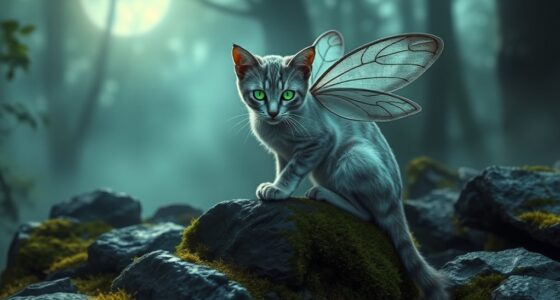
In Baku, mythical stories and iconic symbols shape its identity, blending ancient legends with modern resilience. While there’s no direct link to Japanese dream-eaters, the city’s legends, like the Maiden Tower, symbolize hope and strength—values shared worldwide. Baku’s vibrant culture and evolving landmarks reflect its rich history. If you keep exploring, you’ll uncover how these stories influence the city’s unique spirit and its intriguing connections across cultures.

Prime made for students and young adults
- Fast, free delivery for dorm and study essentials
- Prime Video and Amazon Music included
- Member-only deals
Key Takeaways
- “Baku” in Japanese mythology refers to a dream-eating creature that devours bad dreams and nightmares.
- The Baku is often depicted as a benevolent spirit with features of a tapir, tiger, and elephant.
- In Japanese folklore, people invoke the Baku’s name or image to ward off nightmares and promote restful sleep.
- The concept of the Baku symbolizes protection and the power to transform fear into tranquility.
- Although not directly related to Baku city in Azerbaijan, the creature’s myth has inspired modern pop culture and art.
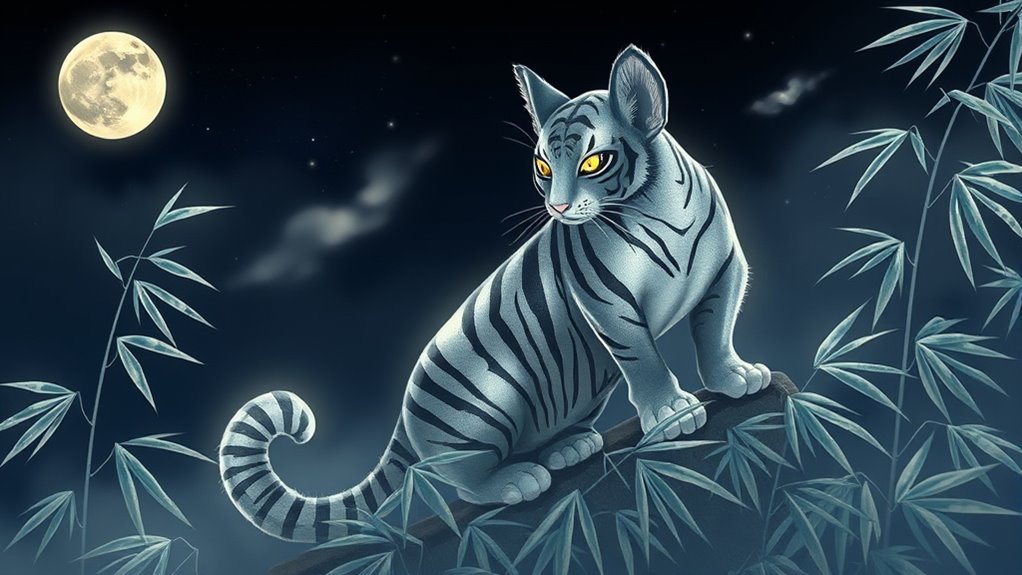
Have you ever wondered what makes Baku, the capital of Azerbaijan, a city of striking contrasts? It’s a place where ancient legends blend seamlessly with modern skyscrapers, creating an atmosphere rich in stories and symbolism. One fascinating aspect is how the city’s mythical origins shape its identity and cultural symbolism. According to local legend, Baku’s founding is tied to mythical stories that have been passed down through generations. These legends often speak of heroic figures or divine beings who bestowed the city with its unique spirit. The myth of the Maiden Tower, for example, is central to Baku’s identity. It’s said to symbolize resilience and hope, standing as a reminder of the city’s ancient roots and enduring strength. This myth isn’t just a story; it’s woven into the city’s fabric, influencing everything from local traditions to national pride.
The cultural symbolism embedded in Baku’s architecture and urban landscape reflects these mythical origins. The city’s old town, with its labyrinth of narrow streets and ancient structures, embodies the mystique of its legendary past. Each stone and every winding alley seem to whisper stories of mythical heroes and ancient guardians. The Flame Towers, on the other hand, symbolize the city’s modern identity—flames of progress and resilience that burn brightly against the night sky. These towers are more than just a skyline feature; they represent Baku’s transformation and the cultural symbolism of renewal. They serve as a visual reminder of how myth and history shape the city’s ongoing narrative. Additionally, urban symbolism plays a vital role in shaping Baku’s cultural landscape, blending mythological significance with contemporary urban development.
As you explore Baku, you’ll notice how these symbolic elements influence daily life. Local festivals often celebrate mythological stories, reinforcing a collective sense of identity rooted in these ancient tales. The city’s museums and cultural centers showcase artifacts and narratives that highlight its mythical origins, reminding residents and visitors alike of the city’s storied past. Baku’s identity isn’t static; it’s a dynamic tapestry woven from myth, history, and modernity. The mythical origins continue to inspire, giving the city a sense of purpose and cultural depth that transcends time. Whether gazing at the Maiden Tower or strolling through the bustling streets, you’ll feel the powerful presence of myth and symbolism guiding Baku’s evolution—an enduring testament to its rich, layered history.
Japanese Baku dream-eater figurine
As an affiliate, we earn on qualifying purchases.
As an affiliate, we earn on qualifying purchases.
Frequently Asked Questions
What Is the Origin of the Baku Legend in Japanese Folklore?
You learn that the Baku legend in Japanese folklore originates from dream symbolism, where the creature is believed to devour nightmares and protect sleep. Its folklore origins trace back to Chinese myth, later adopted into Japanese culture, symbolizing good fortune and relief from bad dreams. This myth encourages people to trust the Baku’s power to banish fears, making it a comforting figure in traditional stories and art.
How Does the Baku Differ From Similar Dream-Eating Creatures Worldwide?
Imagine you dream of a nightmare, and a creature like the baku appears to devour it, unlike Western dream-eaters that often resemble mythological hybrids. The baku uniquely combines features of various animals, such as an elephant’s trunk and a tapir’s body, symbolizing its role in dream symbolism. This distinct design sets it apart from other global dream-eating entities, emphasizing its cultural significance in Japanese folklore.
Are There Any Modern Cultural References to the Baku in Japan Today?
Yes, you’ll find modern pop culture referencing the baku in Japan today. Contemporary references appear in manga, anime, and even in some video games, where the baku symbolizes protection or dream-related themes. These modern portrayals often reimagine the creature with a more playful or mystical vibe, making it a recognizable symbol that blends traditional mythology with current entertainment, keeping the legend alive in Japan’s cultural landscape.
What Are Traditional Rituals to Summon or Ward off the Baku?
You can perform traditional ritual practices to summon or ward off the baku by using dream protection techniques. To summon it, you might recite specific prayers or offerings, hoping the baku will protect your dreams. To ward it off, you often use talismans or chant protective words. These rituals aim to either attract the baku’s dream-eating help or keep it away, depending on your needs for peaceful sleep.
How Has the Baku Influenced Japanese Art and Literature Historically?
You see how the baku influences Japanese art and literature through dream symbolism, often representing protection against nightmares. Artists and writers historically depicted the baku in paintings, woodblocks, and stories, emphasizing its role as a guardian of peaceful sleep. These artistic representations reflect cultural beliefs, blending myth with everyday life, and inspire contemporary works that explore the mystical connection between dreams and consciousness.
As an affiliate, we earn on qualifying purchases.
Conclusion
As you stand before the Baku, its eyes gleam with ancient secrets, daring you to uncover them. Will you trust this mythical dream-eater to guard your slumber or fall under its mysterious spell? One step closer, and the line between dreams and reality blurs. The Baku’s true power remains hidden, waiting to be revealed. Are you brave enough to confront what lurks within its gaze, or will you become just another whisper in its endless dreams?
As an affiliate, we earn on qualifying purchases.
As an affiliate, we earn on qualifying purchases.
Halloween Picks
halloween
As an affiliate, we earn on qualifying purchases.