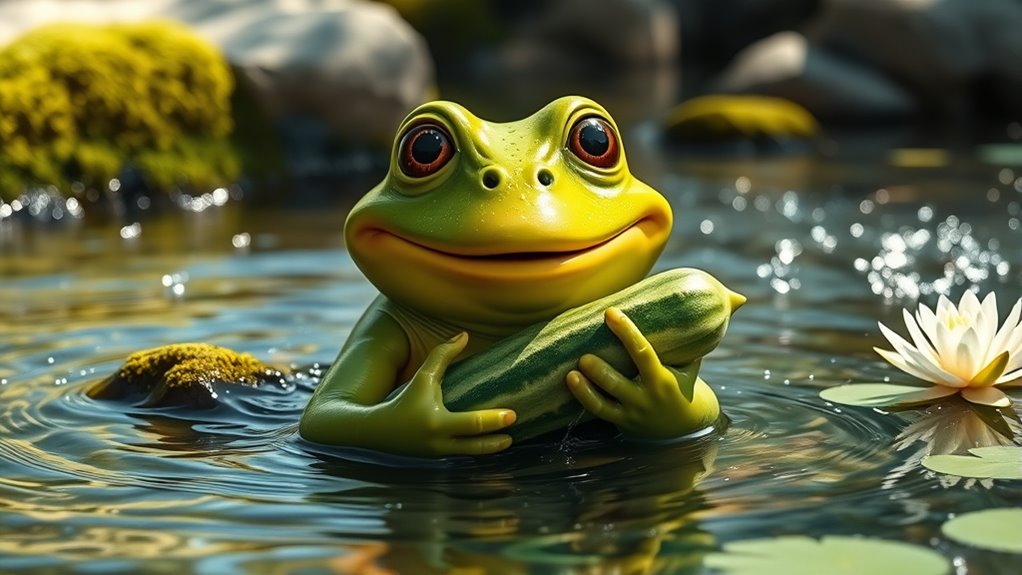

The Kappa is a mischievous water spirit from Japanese folklore that loves rivers, ponds, and cucumbers. You’ll find it as a small, green humanoid creature with a turtle-like shell, known for pulling pranks and pushing people into water. It respects politeness and will bow if you do first. Offering cucumbers is a way to appease it and prevent trouble. If you keep exploring, you’ll discover more about this fascinating water creature’s secrets.

Prime made for students and young adults
- Fast, free delivery for dorm and study essentials
- Prime Video and Amazon Music included
- Member-only deals
Key Takeaways
- The Kappa is a mischievous water spirit from Japanese folklore, often depicted as a small, green humanoid with a turtle-like shell.
- It resides in rivers and ponds, known for pulling fishing lines and pushing people into water as part of its prankster nature.
- Cucumbers are its favorite food, and leaving them in rivers is a traditional way to appease and prevent mischief from the Kappa.
- The Kappa is bound by politeness; it bows when bowed to, and spilling water from its head weakens or harms it.
- The folklore emphasizes respecting water environments and promotes harmony through offerings and moral stories about the Kappa.
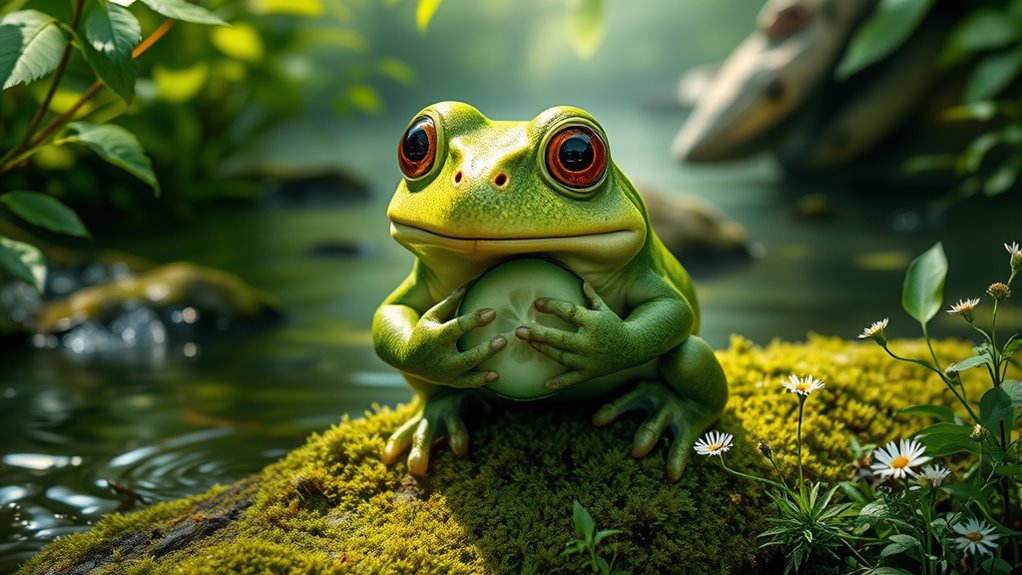
Have you ever heard of the Kappa, the mysterious creature from Japanese folklore that lurks in rivers and ponds? If you’re fascinated by river mythology, you’ll find the Kappa an intriguing part of it. This mythical being is known for its mischievous behavior and unique traits, making it a staple in traditional stories across Japan. In kappa folklore, these creatures are often depicted as small, green, humanoid beings with a shell on their back, much like a turtle. They’re deeply connected to water, especially rivers, and their legends serve as both warnings and lessons about respecting nature.
In Japanese river mythology, the Kappa is portrayed as a creature that loves to play tricks on humans. They’re known for pulling pranks, like tugging at fishermen’s lines or pushing people into the water. But despite their mischievous nature, they’re also bound by a strict code of politeness—if you bow to a Kappa, it will bow back, and if you spill water from its head, it’ll lose its power. This detail highlights the importance of respect and manners in these stories. The Kappa’s obsession with water is central; it’s said that if you keep the water in a Kappa’s head bowl from spilling, it can’t harm you. Conversely, if you do spill the water, it’s likely to cause trouble or even attack.
Another interesting aspect of Kappa folklore is their love of cucumbers. The creature is notorious for snatching cucumbers, which are considered their favorite treat. People often leave cucumbers floating in rivers or ponds to appease the Kappa and prevent it from causing mischief. This practice reflects a broader theme in river mythology: humans and water spirits have a complex relationship, where offerings and respect can foster harmony or avert danger. The Kappa’s fondness for cucumbers isn’t just a quirky trait; it’s a symbol of how folklore often uses food as an offering to appease water spirits.
Understanding the Kappa’s role in Japanese river mythology helps you see how folklore functions as a way of explaining and respecting the natural world. These stories serve as both entertainment and caution, urging people to respect rivers and their mysterious inhabitants. Whether as a mischievous trickster or a reminder of nature’s power, the Kappa remains an enduring figure in Japanese cultural history. Its legend continues to fascinate those who explore the depths of river mythology, blending myth, morality, and the human connection to water in a way that’s both engaging and instructive. Moreover, the stories of Kappa emphasize the significance of respecting nature, highlighting how cultural narratives can promote environmental awareness and stewardship.
As an affiliate, we earn on qualifying purchases.
Frequently Asked Questions
Are Kappa Considered Real or Mythical Creatures?
You might wonder if kappa are real or just mythical, and there’s some mythic evidence suggesting they could be based on ancient stories. However, modern sightings of kappa are rare and often considered folklore rather than fact. While many believe in their existence, scientific evidence remains lacking. So, you can see kappa as mythical creatures rooted in tradition, but some still hold onto the possibility of their existence in local legends.
What Is the Significance of Cucumbers in Kappa Legends?
You might recall hearing that cucumbers hold special significance in kappa legends because of their role in their diet and cucumber symbolism. For instance, villagers believe offering cucumbers can appease kappa and prevent mischief. These legends highlight the importance of cucumbers, not just as food, but as symbols of respect and harmony. The kappa’s fondness for cucumbers underscores their connection to water and tradition, making cucumbers integral to their mythos.
Do Kappa Have Any Weaknesses or Ways to Appease Them?
Kappa have weaknesses that you can use to your advantage. They’re vulnerable to their water-filled heads, so if you spill their bowl of water, they lose their power. To appease kappa, offer them cucumbers, which they love, and bow politely. Showing respect and avoiding confrontation helps build trust. Remember, understanding their weaknesses and ways to appease kappa can keep you safe and even earn their friendship.
Are There Specific Regions in Japan With More Kappa Sightings?
Like shadows in a moonlit stream, regional folklore suggests kappa sightings cluster in specific areas. You’re more likely to encounter them along rural rivers and ponds in the Kansai region, especially around Kyoto and Nara. Geographic distribution reveals that these tales flourish where water and tradition intertwine, serving as symbols of nature’s mysterious power. Pay attention to local stories and landmarks—these are often clues to where kappa still linger in legend and perhaps reality.
How Do Kappa Stories Influence Japanese Culture Today?
You see, kappa stories still influence Japanese culture today by teaching moral lessons and preserving folklore. When you hear tales of kappa, they often emphasize respect for nature and caution around water, reminding you of traditional values. These stories keep folklore alive, connecting generations and fostering cultural identity. By passing down these legends, you help guarantee that the morals and rich folklore of Japan remain vibrant and relevant.
As an affiliate, we earn on qualifying purchases.
Conclusion
Now that you know about the Kappa, imagine encountering one by a river, curious and mischievous. Picture a local fisherman who, instead of fearing the creature, leaves a small cucumber on the bank, earning its playful friendship. This simple act fosters respect and understanding between humans and Kappa. By respecting their love for cucumbers and their river home, you can coexist peacefully, turning a myth into a story of harmony and shared traditions.
mythical creature collectible figure
As an affiliate, we earn on qualifying purchases.
As an affiliate, we earn on qualifying purchases.
Kappa themed Japanese folklore merchandise
As an affiliate, we earn on qualifying purchases.
As an affiliate, we earn on qualifying purchases.
Evergreen bestsellers Picks
bestsellers
As an affiliate, we earn on qualifying purchases.