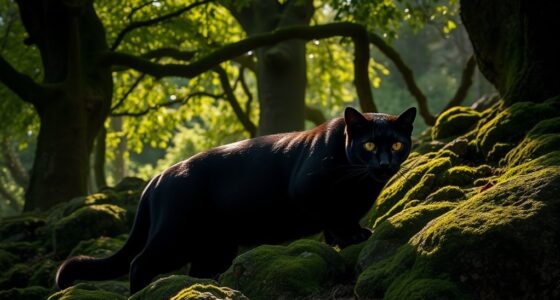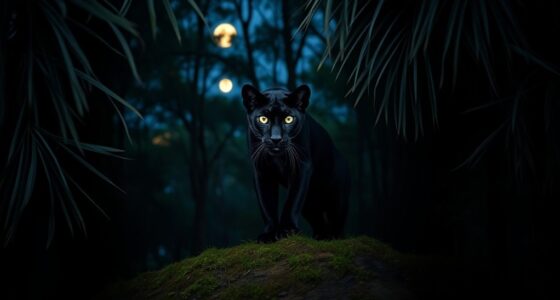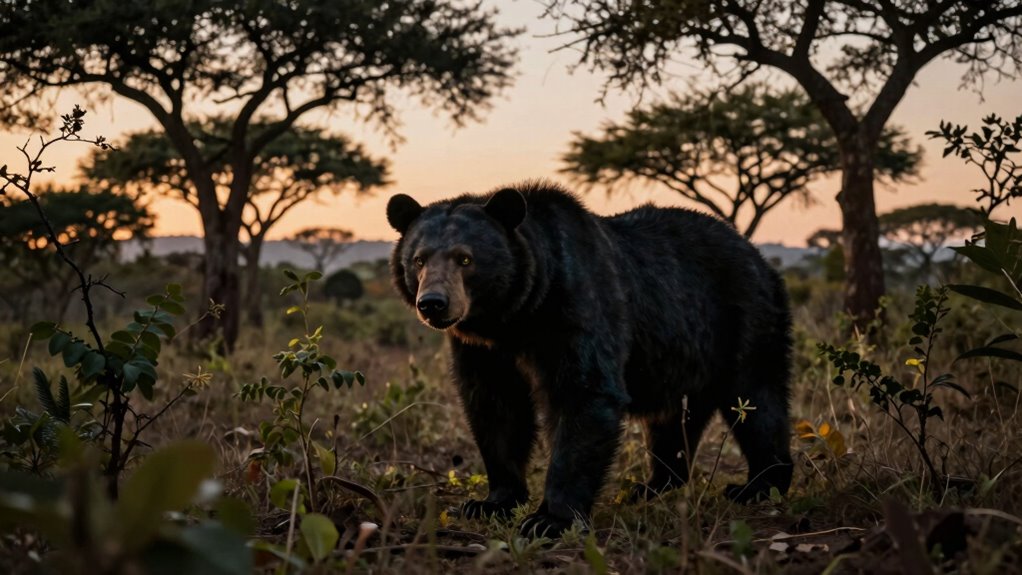

The Nandi Bear is a mysterious creature from African legend, often described as a large, bear-like predator with sharp claws and a menacing stance. Many see it as a symbol of primal wilderness and cultural identity, with stories passing down through generations. Some believe it’s a surviving prehistoric animal or an unknown species, while others think sightings are misidentifications. If you keep exploring, you’ll uncover how these legends connect deeply to Africa’s rich cultural and natural mysteries.

Get school and study supplies delivered free — and shop member deals
- Fast, free delivery on millions of items
- Access to Prime Big Deal Days deals on October 6–7
- Prime Video, Amazon Music and more included
Key Takeaways
- The Nandi Bear is a legendary, bear-like cryptid linked to African wilderness myths and cultural symbolism.
- Sightings are inconsistent, often misidentifications of known animals, fueling debate over its existence.
- It represents primal fears, ancestral connections, and serves as a guardian spirit within local communities.
- Cryptozoology explores how such legends reinforce cultural identity and keep the creature’s myth alive.
- The legend highlights Africa’s mysterious, untamed nature, blending folklore with ongoing curiosity.
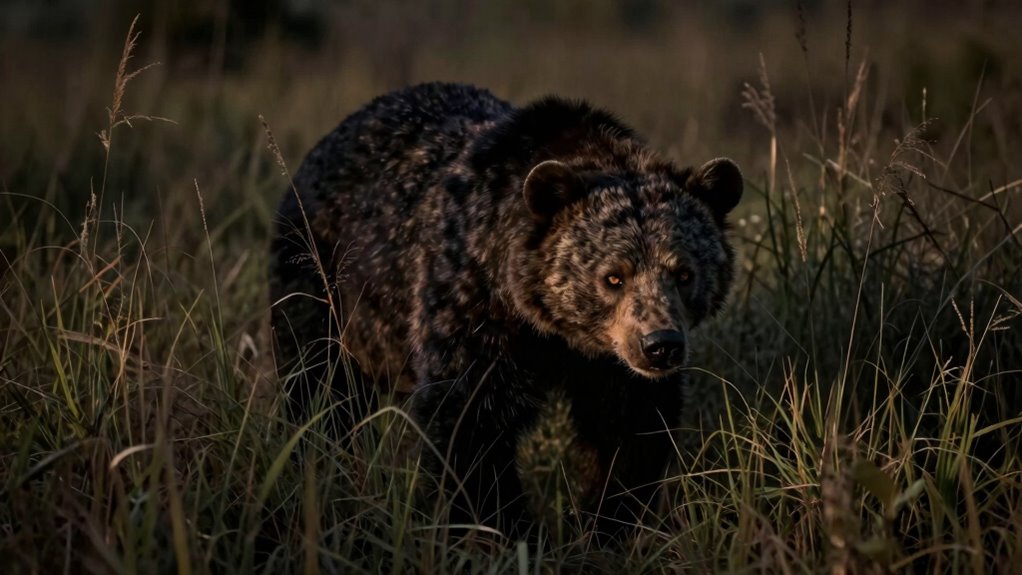
Have you ever wondered about the mysterious creature known as the Nandi Bear, a legendary predator lurking in Africa’s folklore? This elusive cryptid has fascinated explorers, locals, and cryptozoologists for generations. Reports of cryptid sightings describe a large, bear-like creature with a menacing stance, sharp claws, and powerful limbs. These sightings are often inconsistent, making it difficult to determine whether the Nandi Bear is a real animal or a myth rooted in cultural storytelling. Despite the lack of concrete evidence, the stories persist, fueling curiosity and speculation across the region.
A mysterious, bear-like creature in African folklore, the Nandi Bear intrigues with inconsistent sightings and cultural symbolism.
What makes the Nandi Bear even more intriguing is its deep cultural symbolism. For many communities in East Africa, the creature embodies more than just a beast; it represents primal fears, wilderness power, and ancestral connections. The legends often serve as cautionary tales, warning people to respect the land and its hidden dangers. The Nandi Bear is sometimes seen as a guardian spirit or a symbol of the untamed African wilderness, embodying both awe and trepidation. These cultural narratives help preserve local identity and serve as a reminder of the mysterious forces believed to inhabit the natural world.
Cryptid sightings throughout history have kept the Nandi Bear in the domain of legend, yet they continue to spark debates among enthusiasts and scientists alike. Some believe that these reports could be sightings of unknown animals, perhaps a surviving species of prehistoric creature or an undiscovered large mammal. Others argue that the sightings are simply misidentifications of known animals, such as baboons or large predators like leopards, misinterpreted by frightened witnesses. Despite the skepticism, the persistence of these stories indicates that the creature holds a significant place in the collective imagination of local peoples and cryptozoologists seeking evidence of hidden wildlife. Interestingly, the study of cryptozoology reveals how cultural narratives can influence perceptions of wildlife and the natural world.
The cultural symbolism attached to the Nandi Bear underscores its importance far beyond mere folklore. It acts as a cultural anchor, connecting communities to their ancestral past and their environment. Whether viewed as a cryptid or a myth, the Nandi Bear embodies the mysteries that lie at the heart of Africa’s wilderness—unseen, unproven, yet undeniably powerful. As long as cryptid sightings continue and stories are passed down, the legend remains alive. It reminds us that some of Africa’s most enchanting legends are woven into the fabric of its cultural identity, whispering of a wild, mysterious world just beyond our understanding. Exploring local folklore can offer valuable insights into the ways indigenous communities interpret and relate to their natural surroundings.
As an affiliate, we earn on qualifying purchases.
Frequently Asked Questions
Are There Any Recent Confirmed Sightings of the Nandi Bear?
There are no recent confirmed sightings of the Nandi Bear. Cryptid folklore often fuels legends like this, but wildlife misidentification is common in such reports. People frequently mistake familiar animals or unusual shadows for the elusive Nandi Bear, keeping the legend alive. Despite occasional claims, scientific evidence remains absent, and most experts agree these sightings are likely misunderstandings or folklore rather than actual encounters with a mysterious predator.
What Methods Do Researchers Use to Investigate Such Legends?
Researchers often combine historical folklore with scientific methodology to investigate legends like the Nandi Bear. For example, they analyze old stories and oral traditions to identify patterns or common sightings. Then, they conduct field surveys, camera traps, or DNA analysis of environmental samples to gather physical evidence. This approach helps them distinguish between myth and potential reality, making investigations more systematic and credible.
How Do Local Communities Perceive the Nandi Bear Today?
You’ll find that local communities often see the Nandi Bear as a symbol of cultural significance, blending folklore variations with their history and beliefs. Many perceive it as a mysterious, protective creature, inspiring stories passed down through generations. While some remain skeptical, others see it as an important part of their cultural identity, keeping the legends alive. These perceptions shape how people interpret strange sightings and continue to preserve the legend today.
Could the Nandi Bear Be a Misunderstood or Misidentified Known Animal?
You might think the Nandi Bear is a mythical creature, but it could be a misunderstood or misidentified known animal. Many believe that sightings are actually of animals like hyenas or large predators, which have been exaggerated over time. As a cultural symbol, the creature holds significance, blending myth and reality. This mix makes it hard to determine if it’s purely legend or if some real, yet unidentified, animal is behind the stories.
Are Similar Elusive Predator Legends Found in Other Parts of Africa?
Did you know that over 50% of African cultures have legends of mythical creatures or elusive predators? Yes, similar legends exist across Africa, often rooted in cultural symbolism and local folklore. These stories reflect fears, respect, or explanations for mysterious animal sightings. Such legends serve to preserve cultural identity, warn of dangers, or explain natural phenomena, making these mythical creatures deeply woven into the continent’s diverse traditions and belief systems.
As an affiliate, we earn on qualifying purchases.
Conclusion
As you reflect on the Nandi Bear and Africa’s legends, remember that some mysteries remain like shadows in the night—elusive and ever-changing. Just as the myth persists, so too does humanity’s endless curiosity about the unknown. Sometimes, the greatest truths hide behind the veil of legend, reminding you that not all questions are meant to be answered, and that the pursuit of mystery is what keeps the spirit of adventure alive.
As an affiliate, we earn on qualifying purchases.
As an affiliate, we earn on qualifying purchases.
Fall Picks
fall essentials
As an affiliate, we earn on qualifying purchases.