
The Monster of Lake Ilopango is a mesmerizing Salvadoran myth that describes a serpent-like creature with glowing eyes lurking beneath the lake’s surface. Many locals and fishermen report strange shadows, disturbances, or mysterious noises, fueling stories that the creature resembles a giant eel or dragon. This legend reflects the deep connection between Salvadorans and their natural environment, symbolizing the lake’s untamed power. Discovering more about this myth reveals how folklore preserves the cultural identity of the region.
Listen free for 30 days with Audible
Thousands of audiobooks and originals — cancel anytime.
As an affiliate, we earn on qualifying purchases.
Key Takeaways
- The Monster of Lake Ilopango is a mythological creature described as a serpent or dragon with glowing eyes.
- It symbolizes nature’s power, reflecting Salvadoran cultural beliefs and serving as a cautionary legend.
- Sightings include shadows, disturbances, or strange noises, often mythologized to explain unexplained phenomena.
- The legend fosters local art, storytelling, and community identity, maintaining the lake’s mystique.
- This myth is an integral part of Salvadoran heritage, emphasizing respect for natural mysteries and cultural resilience.

Have you ever wondered about the stories that shape Salvadoran culture? One of the most intriguing legends centers around the Monster of Lake Ilopango, a tale that has fascinated locals for generations. This mythological creature is part of the rich tapestry of lake legends that surround Salvadoran lakes, blending folklore, mystery, and a touch of the supernatural. As you explore these stories, you’ll find that they serve not just as entertainment but as a way to understand the cultural identity and fears of the people who live near these bodies of water.
The legend tells of a mysterious creature lurking beneath the shimmering surface of Lake Ilopango, one of El Salvador’s most active volcanoes. According to local lore, this mythological creature has been seen by fishermen and boaters, often described as a massive, serpent-like being with glowing eyes that pierce the darkness of the water. Some say it resembles a giant eel or a dragon, while others believe it’s a spirit that guards the lake’s secrets. These sightings, whether real or exaggerated, have fueled the imagination of villagers for decades, making the monster a central figure in their lake legends. There’s a sense of reverence and awe in these stories, as if the creature embodies the untamed power of nature itself.
A serpent-like creature with glowing eyes haunts Lake Ilopango’s depths, embodying nature’s mysterious and untamed power.
This myth has persisted because it reflects a deep connection between the people and their environment. The lake, essential for fishing and transportation, is also seen as a place of mystery and danger. The creature’s existence is often used to explain strange happenings around the lake—disturbances in the water, unexplained noises, or fleeting shadows seen from the shoreline. These stories serve as cautionary tales to respect the lake’s power and to be cautious when venturing into its depths. Over time, the myth has also become a symbol of Salvadoran resilience, a reminder of how local communities adapt their beliefs to cope with the unknown and the unpredictable forces of nature. Additionally, the legend highlights the importance of local folklore in preserving cultural traditions and fostering community identity.
As you explore the myth of the Monster of Lake Ilopango, you’ll notice how it continues to inspire local artists, storytellers, and even tourists. It’s a vivid example of how mythological creatures and lake legends shape cultural identity, preserving a sense of wonder and mystery. Whether the creature is real or just a product of collective imagination, its story underscores the importance of respecting nature’s mysteries. It’s a powerful reminder that some stories are more than just legends—they’re an integral part of Salvadoran heritage, echoing through generations and keeping the spirit of the lake alive in the hearts of those who live nearby.

FISHOAKY Diving Flashlight Underwater LED Light, 1500 Lumen & 3 Modes IPX8 Waterproof Flashlight, Rechargeable Torch Scuba Dive Light Water Lights for Night Diving Snorkeling Outdoor Sports(Black)
- Waterproof and Adjustable Modes: IPX8 waterproof with 3 brightness modes
- Super Bright Illumination: 1500 lumens, up to 100m range
- Long Battery Life: 2000mAh rechargeable, 2-4 hours use
As an affiliate, we earn on qualifying purchases.
As an affiliate, we earn on qualifying purchases.
Frequently Asked Questions
Has Anyone Ever Claimed to See the Monster Firsthand?
Yes, some people have claimed to see the monster firsthand, fueling local lake legends about mythological creatures. You might hear stories from fishermen or visitors who swear they saw strange shapes or movements beneath the water’s surface. While skeptics dismiss these sightings as illusions or overactive imaginations, these tales keep the mystery alive, making the lake an intriguing spot for those fascinated by legendary creatures and supernatural stories.
What Are the Local Beliefs About the Monster’s Origins?
Think of the monster as a shadow cast by folklore origins, a mythical creature born from local stories. You believe that ancient legends shaped its existence, linking it to volcanic activity and mysterious lake depths. Some say it’s a guardian spirit, while others see it as a warning from nature itself. The local beliefs suggest that the monster embodies the lake’s powerful, untamed energy, making it a symbol of both awe and fear in Salvadoran culture.
Are There Any Recent Sightings or Encounters Reported?
You won’t find recent sightings or encounters reported, as most lake mysteries like this remain rooted in folklore origins rather than confirmed events. Local stories often describe the monster as a legendary creature from Salvadoran mythology, but modern encounters are scarce or unverified. These tales continue to fuel curiosity and preserve cultural traditions, keeping the myth alive even without recent evidence.
How Does the Legend Impact Local Tourism and Culture?
Like a magnet pulling curiosity, the legend of the monster boosts local tourism and strengthens cultural identity. Visitors flock to Lake Ilopango, enthusiastic to explore its mysteries, while locals embrace this folklore as a symbol of their heritage. The myth becomes a vibrant part of community celebrations, drawing interest and preserving stories that connect the past with the present, making the legend a essential thread in the fabric of local culture.
What Scientific Explanations Have Been Proposed for the Myth?
Scientists suggest the myth may stem from lake ecology and geological formations. They believe unusual underwater shapes or movements caused by volcanic activity or submerged geological features could be mistaken for a creature. The lake’s history of eruptions and shifting formations might create optical illusions or sounds, fueling local stories. These natural phenomena, combined with human imagination, help explain the myth without invoking supernatural causes.
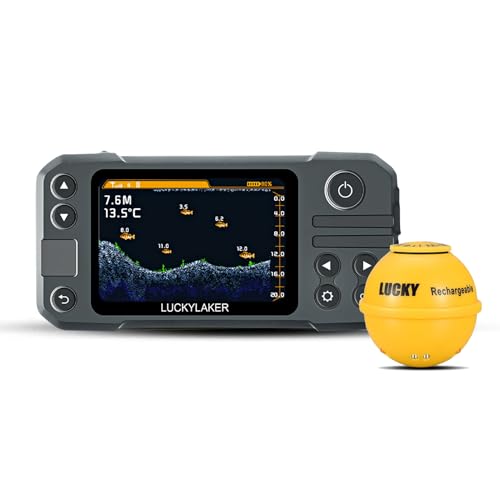
LUCKY Kayak Portable Fish Finder Transducer Wireless Sonar Fish Finders Boat Rechargeable Handheld Fish Depth Finder Fishing MT-202
- Wireless Operation Range: Up to 853 feet wireless distance
- Accurate Fish Depth & Location: Precise fish and structure detection
- 3.5-inch LCD Display: Clear readouts with fish icons and depths
As an affiliate, we earn on qualifying purchases.
As an affiliate, we earn on qualifying purchases.
Conclusion
As you listen to the legend of Lake Ilopango’s monster, picture a shadow lurking beneath the surface, like a secret waiting to be uncovered. Imagine a local fisherman telling you how he once saw a massive shape break the water’s calm, vanishing just as quickly. This myth reminds us that some mysteries are kept alive by stories passed down, much like ripples on a still lake—an echo of the unknown just beneath your feet, waiting to surface.

20×50 High Powered Binoculars for Adults, Waterproof Compact Binoculars with Low Light Vision for Bird Watching Hunting Camping Travel Cruise Hiking Sports Stargazing, Christmas Birthday Gifts for Men
- High Magnification and Wide Field of View: 20x zoom with 168-yard view at 1000 yards
- Ergonomic Eyepiece Design: 26mm eyepiece for comfortable, stable viewing
- Clear and Bright Images: Multilayer-coated lenses for superior clarity
As an affiliate, we earn on qualifying purchases.
As an affiliate, we earn on qualifying purchases.

LuxoGear Emergency Whistles with Lanyard Safety Whistle Survival Shrill Loud Blast for Kayak Life Vest Jacket Boating Fishing Boat Camping Hiking Hunting Rescue Signaling Kids Lifeguard Plastic 2 Pack
- Loudness: 120dB sound over a mile away
- Design: Pealess, no moving parts
- Durability: Break-free, weather-resistant construction
As an affiliate, we earn on qualifying purchases.
As an affiliate, we earn on qualifying purchases.
Grilling season Picks
grills
As an affiliate, we earn on qualifying purchases.