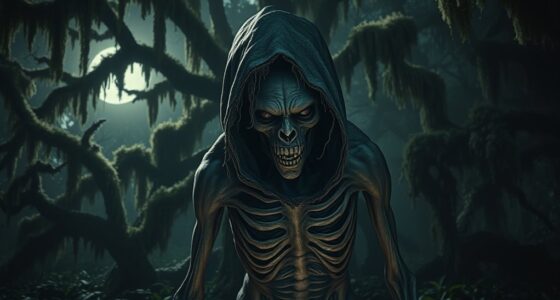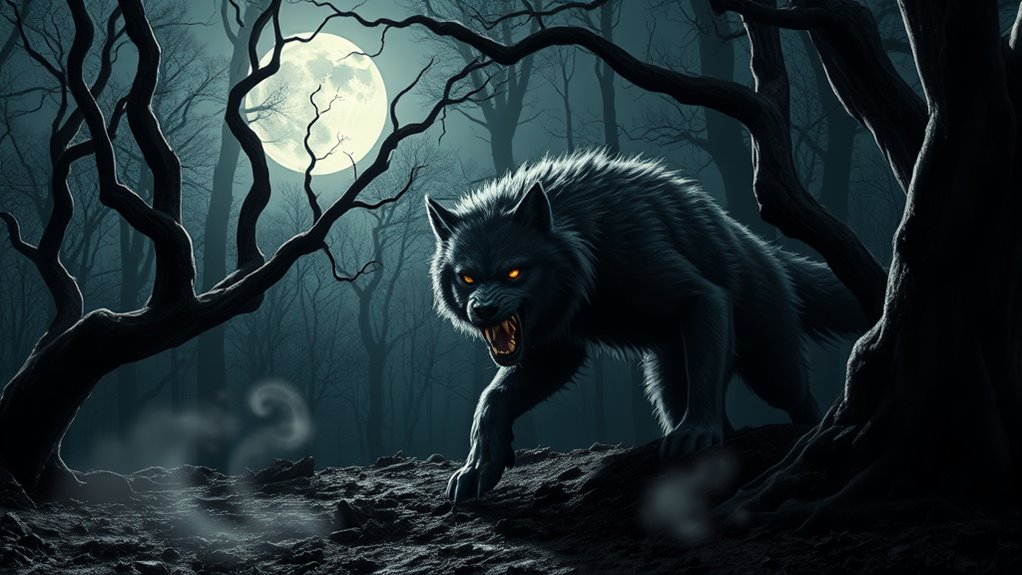
In French-Canadian traditions, the loup-garou symbolizes deep-rooted fears of transformation and the wild forces of nature. It’s believed anyone can become a werewolf under certain conditions, especially during full moons, highlighting moral lessons about behavior and community values. Rituals and charms were used to ward off the curse, and stories served as warnings and entertainment. Keep exploring to uncover more about how this myth shaped cultural beliefs and customs.

Prime made for students and young adults
- Fast, free delivery for dorm and study essentials
- Prime Video and Amazon Music included
- Member-only deals
Key Takeaways
- The loup-garou originates from European myth blended with local Quebec storytelling, symbolizing wild natural forces and moral lessons.
- Full moons are linked to increased risks of transformation, reinforcing fears and moral behavior in communities.
- Rituals like prayers and charms were used to ward off the curse, reflecting the myth’s integration into cultural practices.
- Accusations of lycanthropy often led to witchcraft accusations, highlighting social fears and suspicion within villages.
- The legend fosters a collective identity, emphasizing caution, morality, and the mysterious dangers lurking beyond village lights.
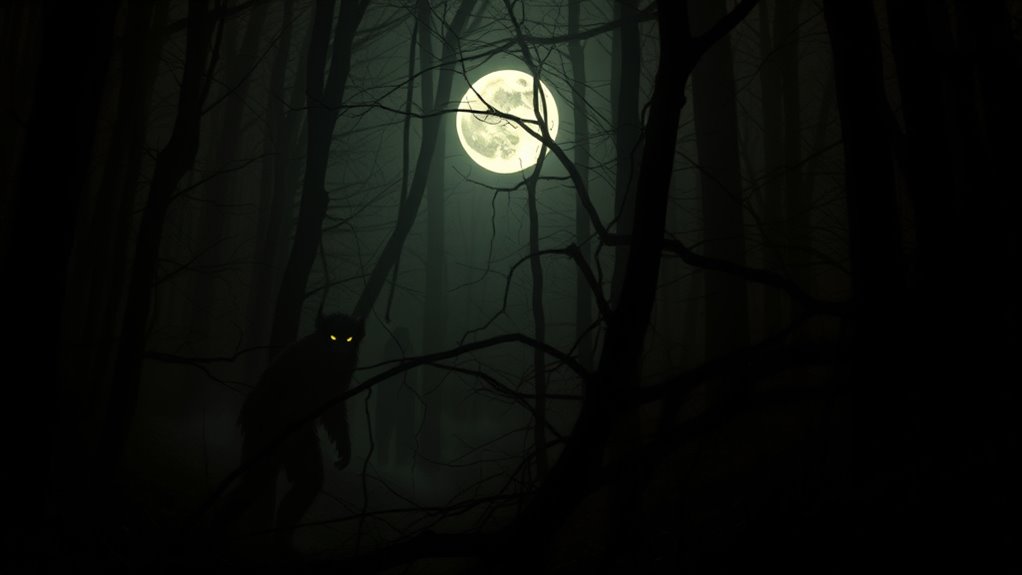
Have you ever wondered how the legend of the loup-garou, or werewolf, has shaped local customs and supernatural beliefs? It all ties back to the rich werewolf folklore that has been passed down through generations. These stories aren’t just tales of monsters; they’re woven into the cultural fabric, influencing behaviors, rituals, and fears. The roots of this legend trace back to mythological origins that blend European myth with local storytelling. Originally, the mythological origins of the werewolf relate to ancient fears of humans transforming into beasts, often as a punishment or curse. These stories gained traction in France and, through colonization, made their way to French-Canadian communities. Here, the legend evolved, becoming a symbol of the mysterious and the dangerous lurking just beyond the village lights.
In French-Canadian traditions, the loup-garou is often seen as a creature cursed or possessed, embodying the wild, uncontrollable forces of nature. The stories suggest that anyone could become a loup-garou, especially during certain nights or under specific circumstances. This belief fostered a mixture of fear and caution within communities. People would avoid wandering alone at night, especially during full moons, which were thought to be times when the curse might take hold. The myth served as a warning about the importance of moral behavior, as many stories indicated that immoral actions could turn someone into a beast. These beliefs created a sense of social order, reinforcing community values while also fueling a collective fear of the unknown. Additionally, the supernatural origins of the legend often reflect the fears and moral lessons that communities wished to uphold.
Local customs developed around these fears, including rituals to ward off the curse or identify suspected werewolves. Some communities held special prayers or used charms, believing they could repel the supernatural entity. Accusations of lycanthropy sometimes led to accusations of witchcraft, with terrified villagers turning against neighbors they suspected. These episodes highlight how deeply embedded the werewolf myth was in local life. The folklore also shaped storytelling traditions, with tales of loup-garous serving as cautionary stories or entertainment at gatherings. Over time, the mythological origins of the werewolf merged with local superstitions, creating a unique cultural identity that still influences Quebecois storytelling today.
Top picks for "loup garou french"
As an affiliate, we earn on qualifying purchases.
Frequently Asked Questions
Are There Any Modern Sightings of the Loup-Garou?
Yes, there are modern sightings and folklore reports of the loup-garou. People claim to have seen strange, wolf-like creatures in remote areas of Quebec and other parts of French Canada. These reports often describe encounters late at night, with witnesses feeling a mix of fear and curiosity. While skeptics dismiss them as misidentifications or hoaxes, these stories continue to fuel local legends and keep the folklore alive today.
How Do Communities Traditionally Protect Themselves From a Loup-Garou?
You can protect yourself from a loup-garou by using protective charms like crosses or special amulets. Communities often perform rituals such as prayer circles or blessing ceremonies to ward off the creature. Staying indoors during full moons and avoiding certain areas are common precautions. These traditions aim to create a sense of safety and collective strength, helping residents feel more secure against the feared presence of the loup-garou.
What Are Common Signs Someone Might Be a Loup-Garou?
When it comes to identifying a loup-garou, you’re often told to look for folklore indicators like unusual strength, a sudden change in appearance, or nocturnal habits. Werewolf symptoms include a preference for darkness, animalistic features, or a fierce temper. As the saying goes, “the proof is in the pudding,” so if someone exhibits these signs, it’s wise to stay cautious and trust your instincts.
Are Loup-Garous Linked to Specific Geographical Regions in Canada?
You’ll find loup-garous linked to specific regions in Canada, especially in Quebec and parts of New Brunswick. These regional variations stem from local folklore origins, where stories of shape-shifting wolves are deeply rooted in cultural traditions. In these areas, tales emphasize unique traits and beliefs about loup-garous, reflecting the community’s history and fears. Exploring these regional differences helps you understand how folklore evolves across Canadian regions.
How Do Loup-Garou Legends Influence Contemporary French-Canadian Culture?
Loup-gou legends influence your culture by shaping cultural symbolism and folklore preservation. These stories remind you of your roots and connect you to tradition, especially during festivals and storytelling events. They inspire creativity in art and literature, keeping the folklore alive. By passing these tales down, you help preserve your cultural identity and celebrate the unique aspects of French-Canadian heritage, ensuring the loup-garou remains a vibrant part of your community.
Conclusion
So, next time you imagine the loup-garou lurking in the shadowy woods, remember these age-old traditions. As you scroll through your social media feed, picture the creature cloaked in moonlight, its howl echoing through the digital void. These legends remind us that even in our modern world, the mystique of the French-Canadian werewolf still lingers, waiting patiently like a vintage vinyl record, ready to spin stories of fear and fascination whenever night falls.
Halloween Picks
halloween
As an affiliate, we earn on qualifying purchases.