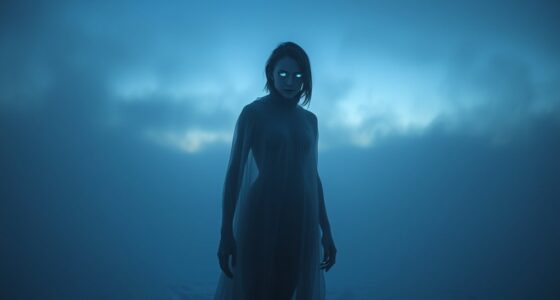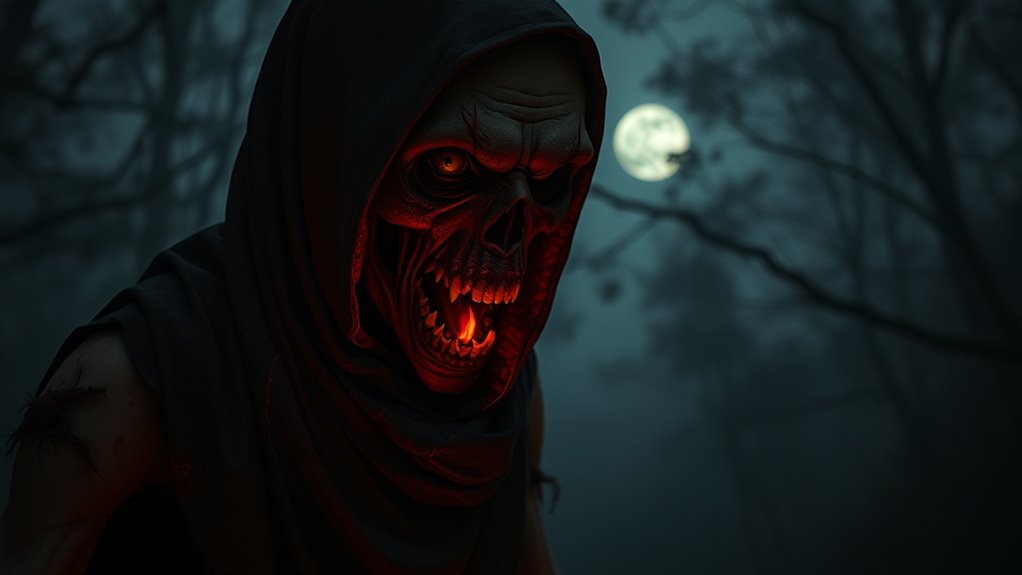

The Pishacha are terrifying flesh-eating demons from Indian folklore that symbolize primal fears, spiritual corruption, and moral failings. They are often depicted as gaunt, ghastly beings haunting desolate places like cremation grounds and abandoned temples. These entities embody inner darkness and serve as warnings against immoral behavior. With supernatural powers like shape-shifting and shadow manipulation, they remind you of the consequences of temptation and weakness. Continue exploring to uncover the deep stories behind these haunting beings.
Key Takeaways
- Pishachas are mythological flesh-eating demons rooted in ancient Indian legends symbolizing inner darkness.
- They are often depicted as ghastly, semi-human entities with hollow eyes, haunting desolate places like cremation grounds.
- These demons embody primal fears, spiritual corruption, and serve as warnings against immoral behaviors.
- Pishachas possess supernatural abilities such as shape-shifting and shadow manipulation, thriving in liminal spaces.
- They symbolize destructive passions and moral weakness, illustrating the consequences of temptation and spiritual decline.
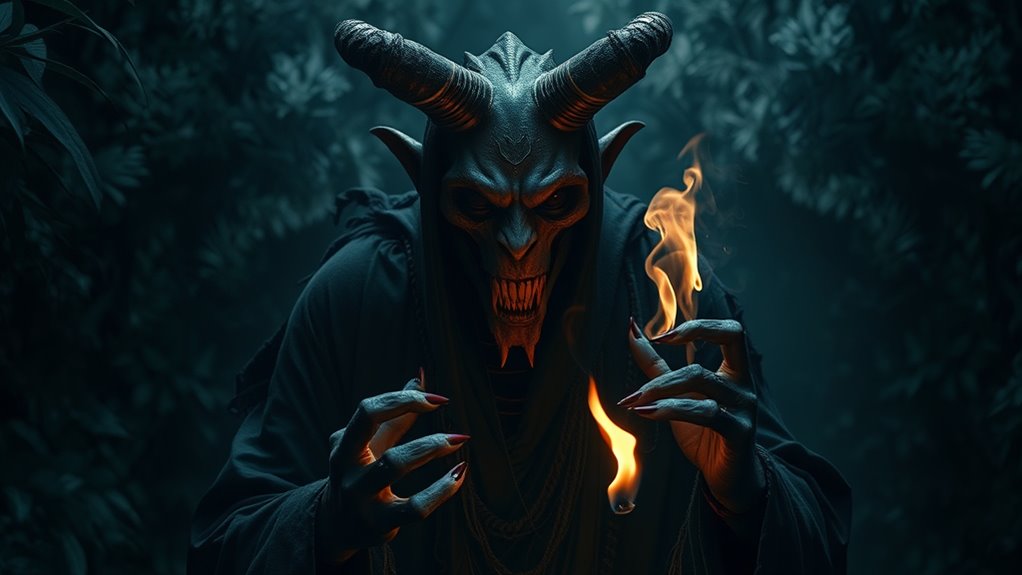
Indian folklore is rich with tales of terrifying flesh-eating demons that have captivated and frightened generations. Among these, the Pishacha stands out as a chilling figure rooted deeply in ancient stories and mythological symbolism. These demons are often depicted as nightmarish entities that feed on human flesh and blood, embodying fears of death, decay, and the unknown. Their origins trace back to medieval legends, where they are described not only as monsters but also as symbols of inner darkness and spiritual corruption. You might find that stories about the Pishacha serve a dual purpose: warning against immoral behavior and illustrating the battle between good and evil within the human soul.
In many traditional tales, the Pishacha is shown as a semi-human creature with gaunt, hollow eyes, and a ghastly appearance that evokes both horror and fascination. These demons are said to haunt desolate places—abandoned temples, cremation grounds, and dark forests—places associated with death and transformation. As you explore the mythological symbolism embedded in these stories, you realize that the Pishacha isn’t just a flesh-eating monster but also a representation of primal fears and the destructive power of unchecked passions. Medieval legends often portray them as cursed beings, victims of divine retribution or punishment for sins committed in life, embodying the idea that moral failings can turn a person into a creature of darkness.
You’ll notice that these tales frequently describe the Pishacha as having supernatural abilities—shape-shifting, invisibility, or the power to manipulate shadows. Such traits reinforce their mythological symbolism as entities that thrive in the liminal spaces between life and death. Their presence in folklore underscores the importance of spiritual purity and moral discipline, warning listeners to stay away from forbidden places or behaviors that could invoke their wrath. The stories serve as cautionary tales, emphasizing that succumbing to temptation or moral weakness can transform a person into a Pishacha, doomed to roam forever, feeding on fear and flesh.

PTC 8 Inch Vishnu with Lotus Mythological Indian Hindu God Statue Figurine
Perfect gift for those that love Eastern Enlightenment
As an affiliate, we earn on qualifying purchases.
As an affiliate, we earn on qualifying purchases.
Frequently Asked Questions
Are Pishachas Believed to Hunt During Specific Lunar Phases?
You might believe that pishachas hunt during specific lunar phases, as lunar influence is thought to impact their activity. Traditionally, they are believed to be more active during darker nights, such as new moon or lunar eclipses, which align with certain ritual timings. These phases are considered more auspicious for encounters, and many rituals aim to ward off pishachas during these times when their presence is believed to be strongest.
Can Pishachas Possess Humans or Animals in Folklore Stories?
Like shadows creeping at dusk, pishachas can possess humans or animals in folklore stories. You’ll find them spreading spiritual possession and demonic influence, often causing madness or harm. They’re believed to latch onto their victims, taking control of their minds and bodies. This possession is seen as a dark force that can be broken only through spiritual rituals or divine intervention, making pishachas a terrifying part of Indian folk tales.
How Do Traditional Indian Rituals Ward off Pishachas?
To ward off pishachas, you should perform traditional Indian rituals involving medicinal herbs and sacred chants. Light incense and burn specific herbs like neem and tulsi to purify the space. Recite sacred chants or mantras with faith and focus, which are believed to repel these demons. Maintaining spiritual purity and respecting ritual practices can help protect you from pishachas and their malevolent influence.
Are There Any Modern Sightings or Reports of Pishachas?
Like shadows in the night, reports of pishachas flicker through urban legends and paranormal investigations, but concrete sightings remain elusive. You might hear whispers of encounters, yet no verified evidence proves their presence today. These stories persist, fueling fears and fascination. While some believe in their existence, most consider pishachas a myth woven into cultural folklore, serving as a reminder of ancient fears rather than real creatures lurking in modern shadows.
What Are the Origins of the Pishacha Myth in Indian Culture?
You learn that the myth of pishachas stems from ancient Indian culture, with roots in mythological origins and historical influences. These flesh-eating demons appear in scriptures like the Puranas and are linked to beliefs about spirits and darkness. Their stories reflect fears of evil spirits and the afterlife, shaping Indian folklore over centuries. The myth’s evolution shows how culture, religion, and history blend to create enduring legends like the pishacha.

Da Piao Liang Orgonite Necklace With Malachite And Flower Of Life – Healing Crystals For Energy Protection And Meditation – Spiritual Pendant With Adjustable Cord
Powerful Protection – This orgonite necklace is crafted from malachite and the Flower of Life symbol to offer…
As an affiliate, we earn on qualifying purchases.
As an affiliate, we earn on qualifying purchases.
Conclusion
As you read about the pishacha lurking in shadows, it’s no coincidence that fears often reside within us, feeding on doubt and darkness. Just like these demons, our own doubts can consume us if we’re not careful. Sometimes, what we fear most is a mirror of our inner struggles, waiting to be faced. So, remember, confronting what frightens you might just be the key to freeing yourself from the shadows.
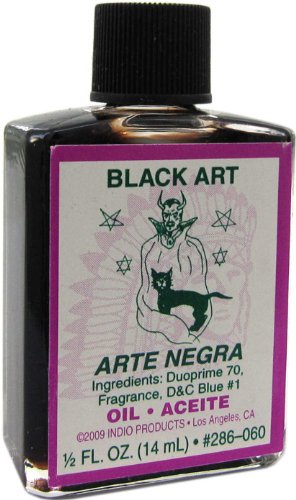
Indio Products Black Art Oil 1/2 fl. oz.
INDIO's spiritual oil can be used for anointing candles, altars, or other ritual tools
As an affiliate, we earn on qualifying purchases.
As an affiliate, we earn on qualifying purchases.

Lovarywow Greek Mythology Party Decor – 3PCS Greek Party Porch Banner Decorations, Ancient Greek-Column Porch Sign Supplies for Home Office, Athens Medieval Renaissance Photos Booth Decor
Complete Package: Includes 3 Greek style porch door banners with rope, offering everything needed to transform your venue…
As an affiliate, we earn on qualifying purchases.
As an affiliate, we earn on qualifying purchases.