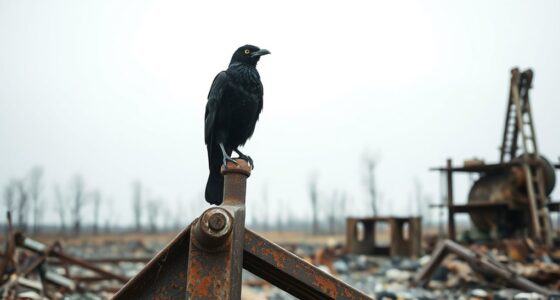
In Southern Africa, legendary creatures like the Grootslang and Tokoloshe exemplify the region’s rich mythology, blending natural environments with spiritual beliefs. You’ll find the Grootslang in Waterberg Cave, symbolizing both wisdom and danger, while the mischievous Tokoloshe lurks in shadows of villages and forests. These stories reveal how communities interpret their surroundings and teach respect for nature and tradition. If you keep exploring, you’ll uncover even more fascinating tales behind these mythical beings.

Prime made for students and young adults
- Fast, free delivery for dorm and study essentials
- Prime Video and Amazon Music included
- Member-only deals
Key Takeaways
- The Grootslang and Tokoloshe are iconic creatures in Southern African folklore, representing myth, danger, and spiritual symbolism.
- The Grootslang is a massive serpent-elephant hybrid dwelling in Waterberg Cave, symbolizing wisdom and caution.
- The Tokoloshe is a mischievous, invisible spirit inhabiting shadows and secluded areas, often linked to curses or ancestral spirits.
- Both creatures embody cultural values, serving as warnings to respect natural environments and spiritual boundaries.
- Southern Africa’s creature lore intertwines natural geography with myth, reflecting community beliefs and societal norms.
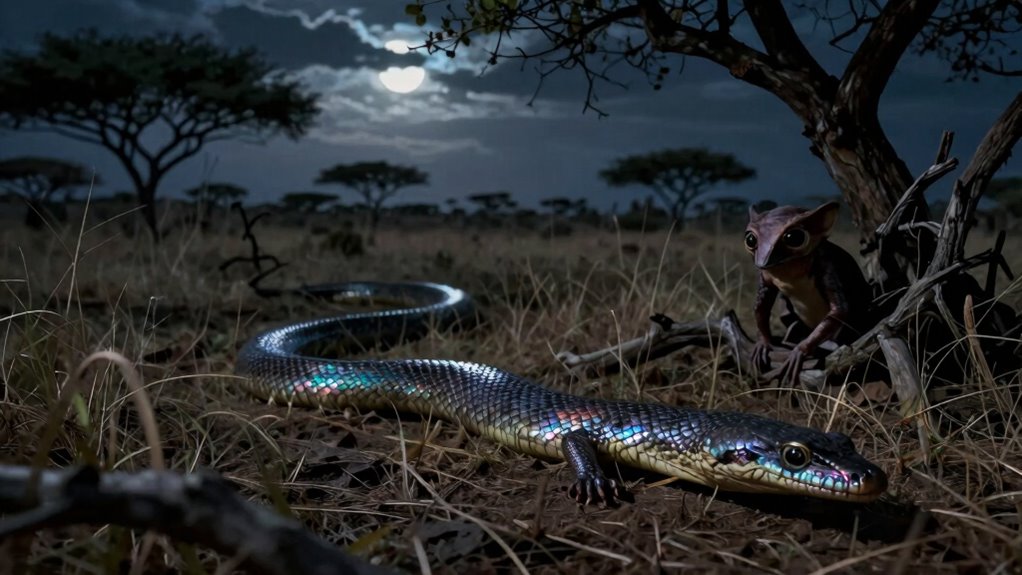
Have you ever wondered what mysterious creatures populate Southern Africa’s folklore? The region’s legends are filled with stories of beings that blur the line between myth and reality. These tales often stem from the rich folklore origins handed down through generations, each creature rooted in cultural beliefs and local history. When exploring these stories, it’s impossible not to be drawn into their mythical habitats—places where nature and legend intertwine, such as deep caves, remote lakes, or dense forests. These environments aren’t just backdrops; they’re essential to the creatures’ existence, fueling their mystique and power.
One of the most famous creatures in Southern Africa’s creature lore is the Grootslang. Legend describes it as a colossal, serpent-like beast that dwells in the depths of the Waterberg Cave. Its mythical habitat is said to be a dark, treacherous underground lair, where it guards treasure and preys on unwary explorers. The folklore origins of the Grootslang tell of a creature born from a union between an elephant and a serpent, symbolizing both wisdom and danger. Stories warn that the creature’s immense strength and cunning make it nearly impossible to catch or tame, reinforcing its status as a creature to be feared and respected. The legend’s roots are deeply embedded in local mythology, serving both as cautionary tales and as explanations for the mysterious phenomena surrounding the Waterberg region. Additionally, the legend emphasizes the importance of respecting cultural beliefs, which are woven into the stories of these mythical beings. Understanding the cultural significance of such legends helps reveal how communities interpret their environment and natural features as part of their spiritual worldview.
The Grootslang, a colossal serpent-elephant hybrid, guards treasures deep within Waterberg’s dark, treacherous caves.
Similarly, the Tokoloshe is another prominent figure in Southern Africa’s creature lore. Unlike the Grootslang, the Tokoloshe is a smaller, mischievous, and sometimes malevolent spirit believed to inhabit the shadows of rural villages and forests. Its mythology suggests that it can become invisible or appear as a small, hairy creature, often causing trouble or harm to those it encounters. The folklore origins of the Tokoloshe often tie back to ancestral spirits or ancestral curses, with stories warning locals about the dangers of disturbing certain sacred spaces. Its mythical habitat is often described as a dark, secluded area—under beds, in dense thickets, or near water sources—places associated with secrecy and fear. Tales of the Tokoloshe serve as cautionary stories to keep children and adults alike wary of wandering into dangerous or forbidden areas at night. These stories also serve as a way for communities to reinforce social boundaries and respect for sacred sites.
In these legends, the mythical habitats serve as more than just settings—they are crucial to understanding the creatures’ powers and significance. Whether lurking in underground caves or haunting shadowy forests, these habitats reinforce the creatures’ mysterious and formidable nature. Their folklore origins reveal the deep cultural roots that shape these stories, offering insight into how communities interpret the unknown and protect themselves from unseen threats. So, as you explore Southern Africa’s creature lore, remember that these stories are woven into the landscape itself, making the land as much a part of the myth as the creatures that inhabit it.
African mythical creature figurines
As an affiliate, we earn on qualifying purchases.
As an affiliate, we earn on qualifying purchases.
Frequently Asked Questions
Are the Grootslang and Tokoloshe Based on Real Animals?
The grootslang and tokoloshe aren’t based on real animals but are part of cryptid folklore, embodying mythical symbolism. You can see these creatures as cultural stories that reflect fears and morals rather than actual species. They serve as powerful symbols within local myths, representing unknown dangers or spiritual lessons. So, while inspired by nature, they’re more about cultural imagination than biological reality.
How Do Local Communities Protect Themselves From These Creatures?
You protect yourself by following local customs and practicing protective rituals passed down through community legends. People often use charms, talismans, or sacred symbols believed to ward off these creatures. They also perform specific ceremonies or prayers, especially at night or near danger zones. Staying aware of local stories and respecting cultural practices helps minimize risks and keeps communities safe from these mythic threats.
Are There Modern Sightings or Encounters Reported?
You might find reports of cryptid sightings or encounters occasionally popping up, often fueled by folklore influence. While most are anecdotal and lack scientific proof, locals and explorers sometimes share stories that keep the mystery alive. These sightings often originate from remote areas, where folklore still strongly influences beliefs. Despite modern skepticism, the allure of these creatures persists, adding to the rich tapestry of Southern Africa’s legendary creature lore.
What Are the Origins of These Creatures’ Legends?
The legends of these creatures stem from rich mythic symbolism and serve as tools for cultural preservation in Southern Africa. You see, stories about the Grootslang, Tokoloshe, and others often reflect local values, fears, and morals. These legends likely originate from ancient encounters with wildlife or natural phenomena, evolving over generations to convey spiritual beliefs and societal norms, ensuring their cultural significance endures through storytelling.
How Do These Myths Influence Local Culture Today?
Mythical symbolism shapes your culture profoundly, fostering a sense of identity and continuity. You see stories of legendary creatures like the Grootslang and Tokoloshe in festivals, folklore, and local legends, which help preserve traditions. These myths influence morals, social norms, and community cohesion, reminding you of your roots. Embracing these tales keeps cultural heritage alive, allowing you to connect with history and uphold the rich, resilient legacy of Southern Africa’s creature lore.
As an affiliate, we earn on qualifying purchases.
Conclusion
As you explore Southern Africa’s creature lore, you step into a shadowy forest where myth and reality intertwine like twisting vines. The grootslang’s ancient watchfulness and the tokoloshe’s mischievous whisper echo through your mind, painting a tapestry of secrets hidden beneath the moon’s watchful gaze. These legends breathe life into the darkened corners of the land, reminding you that some stories are woven from the very fabric of the wild, waiting patiently to be uncovered beneath the starlit sky.
South African folklore art prints
As an affiliate, we earn on qualifying purchases.
As an affiliate, we earn on qualifying purchases.
mythical creature costume accessories
As an affiliate, we earn on qualifying purchases.
As an affiliate, we earn on qualifying purchases.
Halloween Picks
halloween
As an affiliate, we earn on qualifying purchases.