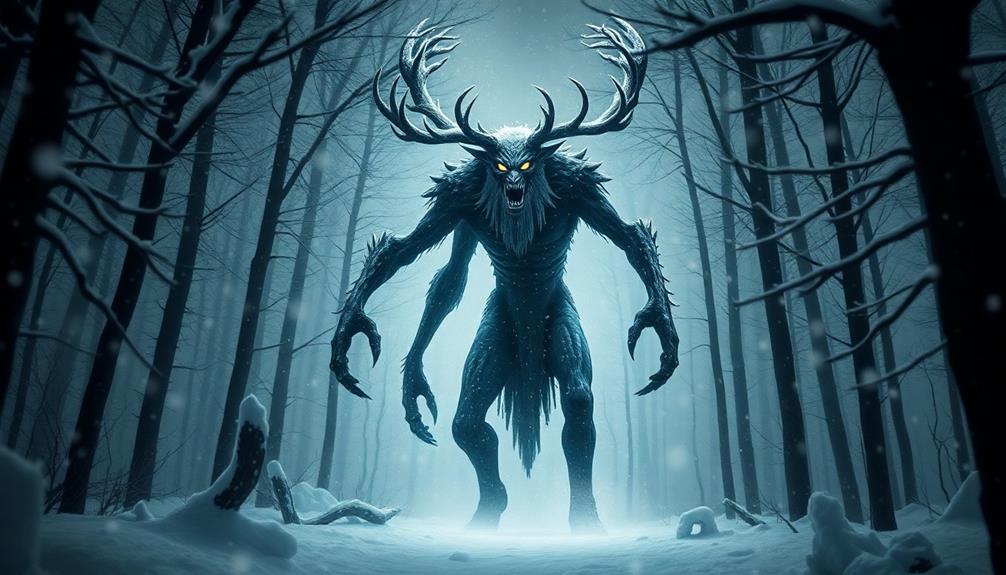
The Tikbalang is a legendary Filipino creature known as a mischievous trickster with a horse’s head and long, thin limbs. It symbolizes ancient beliefs about spiritual forces that guard and deceive natural boundaries, embodying the unpredictable power of nature and spirits. In Filipino culture, it serves as a warning and a protector, reminding people to respect their environment. Curious about its origins and significance? Keep exploring to uncover more fascinating stories behind this mysterious demon.

Prime made for students and young adults
- Fast, free delivery for dorm and study essentials
- Prime Video and Amazon Music included
- Member-only deals
Key Takeaways
- The Tikbalang is a mythical Filipino creature with a horse’s head and human-like body, rooted in indigenous folklore.
- It embodies trickster qualities, known for mischief, deception, and guarding natural boundaries.
- Traditionally seen as a spiritual guardian or deceiver, symbolizing respect and caution in natural settings.
- The Tikbalang plays a significant role in Filipino culture, inspiring stories, festivals, and local art.
- It represents the unpredictable forces of nature and spiritual beliefs, serving as a cultural symbol of awe and reverence.

Have you ever heard of the Tikbalang, the mysterious horse demon from Philippine folklore? If not, you’re in for a fascinating glimpse into a creature that blends myth and culture in enthralling ways. The Tikbalang’s mythical origins trace back centuries, rooted deeply in indigenous beliefs and stories passed down through generations. Many legends suggest that it is the spirit of an ancestral warrior or a trickster entity that has taken on the form of a tall, horse-headed figure with long, thin limbs. Its creation likely stems from a mix of indigenous animist traditions and early influences from neighboring Asian cultures, which all contributed to the creature’s complex identity. The Tikbalang embodies the unpredictable forces of nature and the spiritual world, making it a symbol of both awe and caution within Filipino communities. Its myths serve as moral lessons or warnings, especially to travelers and those venturing into remote forests or mountains, where sightings are most common. The creature’s mythical origins are also linked to stories of mischief and deception, which help explain why it’s known as a trickster figure. Interestingly, some stories depict the Tikbalang as a guardian of natural boundaries, emphasizing its dual role as protector and deceiver.
Culturally, the Tikbalang holds a significant place in Filipino society. It’s not just a spooky story but a symbol woven into the fabric of local traditions and beliefs. The creature’s presence in folklore reflects the Filipino people’s reverence for nature and the spiritual domain, often emphasizing the importance of respecting the environment and their ancestors. Many communities believe that the Tikbalang can lead travelers astray, causing disorientation or confusion, which underscores its role as a guardian of natural boundaries and a reminder to stay humble and cautious. Despite its mischievous reputation, some view the Tikbalang with a sense of respect, acknowledging its power and the need to appease it through rituals or offerings. Its cultural significance extends beyond mere superstition; it’s a reminder of the rich tapestry of folklore that preserves the values, fears, and hopes of the Filipino people. Over time, the Tikbalang has become a symbol of local identity, inspiring stories, art, and even modern pop culture. From festivals to literature, the creature continues to capture the imagination, embodying the mysterious, unpredictable spirit of Philippine folklore that connects past and present in a shared cultural heritage. The belief in the Tikbalang also highlights the importance of understanding cultural symbolism and its role in shaping community identity.
Filipino folklore Tikbalang figurine
As an affiliate, we earn on qualifying purchases.
As an affiliate, we earn on qualifying purchases.
Frequently Asked Questions
Are There Any Real Encounters With Tikbalang Documented?
There are no verified eyewitness reports of genuine Tikbalang encounters, as most accounts come from folklore variations and local legends. People share stories of feeling watched or being led astray in the mountains, attributing these experiences to the Tikbalang’s tricks. While these tales are fascinating, they remain part of Philippine folklore without concrete evidence. Your curiosity reflects how deeply these stories are woven into local culture and tradition.
How Can One Protect Themselves From Tikbalang?
To protect yourself from a Tikbalang, carry protective charms like amulets or talismans, and perform warding rituals such as crossing yourself or reciting specific prayers. Stay on well-lit paths and avoid wandering into dense forests or unfamiliar areas at night. Respect local customs and folklore, as these practices are believed to ward off the Tikbalang’s mischievous or harmful influence. Stay cautious and mindful of your surroundings.
Do Tikbalang Appear Only in the Philippines?
No, Tikbalang primarily appear in Philippine folklore, but similar creatures with cultural symbolism and folkloric variations exist worldwide. While you might think they’re exclusive to the Philippines, stories of trickster horses or shape-shifters crop up in different cultures, reflecting shared themes of mischief and protection. These legends adapt to local traditions, making Tikbalang unique yet part of a broader folkloric tapestry across many regions.
What Are Tikbalang’s Origins in Filipino Folklore?
You might find it fascinating that the Tikbalang’s mythical origins trace back to Filipino folklore, where it symbolizes mischief and the unknown. Rooted in indigenous beliefs, this creature embodies cultural symbolism of nature’s unpredictability and spirits lurking in the wilderness. Its stories serve as warnings and lessons, reflecting the deep connection between Filipino communities and their environment, making the Tikbalang a unique part of their cultural heritage.
Are Tikbalang Considered Evil or Mischievous Spirits?
You might see the Tikbalang as mischievous rather than purely evil because it embodies moral ambiguity and cultural symbolism. While it often causes confusion or mischief, it’s not necessarily malicious. Instead, it reflects deeper Filipino beliefs about respect for nature and the unknown. Its playful yet unpredictable nature reminds you that spirits like the Tikbalang aren’t strictly good or bad, but rather complex symbols within cultural stories.
Philippine myth Tikbalang costume
As an affiliate, we earn on qualifying purchases.
As an affiliate, we earn on qualifying purchases.
Conclusion
So, next time you find yourself wandering the moonlit forests of the Philippines, remember the Tikbalang’s playful nature. It’s a gentle reminder to stay aware and respectful of the mysteries that dance just beyond your sight. Sometimes, the most intriguing stories are the ones that keep a little magic alive in our hearts. Embrace the wonder, and who knows? You might just catch a glimpse of the mischievous horse’s shadow in the night.
As an affiliate, we earn on qualifying purchases.
Filipino spiritual guardian statue
As an affiliate, we earn on qualifying purchases.
As an affiliate, we earn on qualifying purchases.
Fall Picks
fall essentials
As an affiliate, we earn on qualifying purchases.