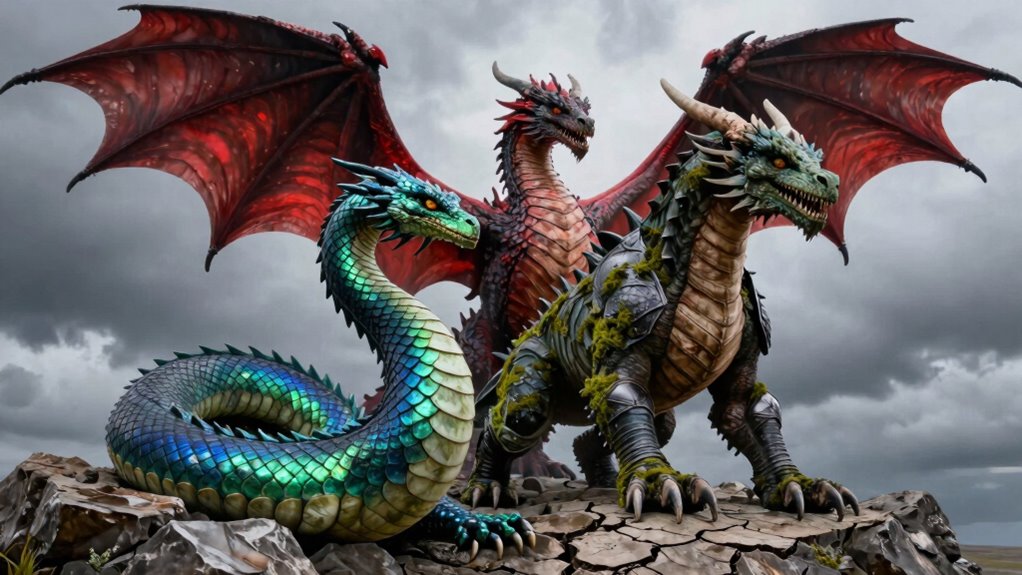

Discover lesser-known dragons like the Cuélebre, Tarasque, and regional legends outside the mainstream canon. These mythical creatures reflect local cultures, landscapes, and values—Cuélebre as a fiery guardian in Spain, Tarasque embodying chaos in southern France, and others representing water, wisdom, or danger across Asia and Indonesia. Their stories reveal unique cultural meanings and symbolism shaped by geography. Keep exploring, and you’ll uncover even more fascinating tales behind these diverse dragons.

Prime made for students and young adults
- Fast, free delivery for dorm and study essentials
- Prime Video and Amazon Music included
- Member-only deals
Key Takeaways
- Cuélebre and Tarasque are regional dragons with unique cultural significance beyond mainstream Western and Eastern dragon mythologies.
- These dragons often symbolize protection, chaos, or sacred guardians, differing from typical mainstream portrayals.
- Lesser-known dragons reflect local environments, beliefs, and societal values shaping their mythological roles.
- Non-canonical dragons highlight regional diversity, emphasizing cultural identity in folklore and mythology.
- They serve as cultural symbols, revealing local fears, hopes, and spiritual relationships outside popular dragon narratives.
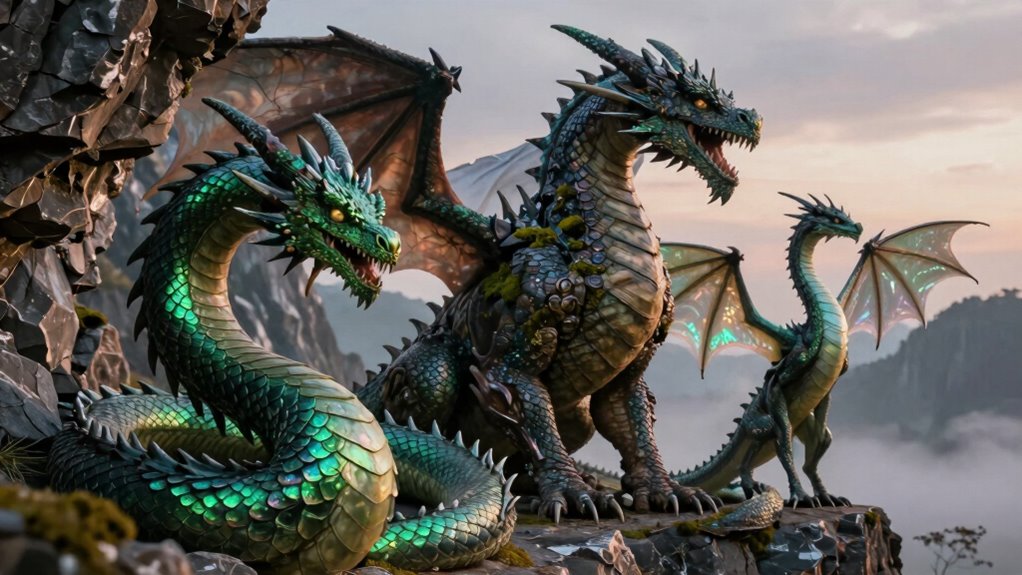
While dragons are often associated with well-known mythologies and mainstream fantasy series, many lesser-known depictions offer fresh and intriguing takes on these legendary creatures. Take the Cuélebre, for example, a fearsome dragon from Spanish folklore. Its mythical symbolism varies across regions, often representing chaos or protection, depending on local stories. In some tales, the Cuélebre guards treasures or sacred sites, embodying both danger and reverence. Its regional variations reflect the cultural landscape of northern Spain, where it’s depicted as a winged serpent with formidable claws and a fiery breath. You might find it portrayed as a guardian spirit or, alternatively, as a destructive force, highlighting the cultural nuances that shape its myth. Interestingly, these regional variations demonstrate how mythological symbolism is influenced by local customs and beliefs. These stories also reveal how regional variations are shaped by the environment and social values of the communities that tell them. The diverse symbolism associated with dragons underscores the importance of understanding their cultural significance, which differs greatly across regions. Beyond Europe, lesser-known dragons like the Chinese Lung or the Indonesian Naga showcase how regional variations influence mythical symbolism. These dragons often symbolize wisdom, power, and harmony with nature. Unlike their Western counterparts, they tend to be benevolent and revered, representing cosmic forces rather than chaos. You might notice that in many Asian cultures, dragons are linked with water and rain, symbolizing fertility and renewal. Their mythological symbolism reflects a worldview where dragons are protectors and symbols of prosperity. Such regional variations demonstrate how geography, climate, and cultural priorities shape the way dragons are perceived, transforming them from destructive monsters into revered guardians. Exploring these dragons also reveals how regional mythological influences shape their stories and symbolism. These diverse depictions highlight how cultural context plays a crucial role in shaping the interpretation and significance of mythological creatures. In exploring these lesser-known dragons like the Cuélebre and Tarasque, you see how mythological symbolism and regional variations intertwine. Each depiction offers a fresh lens through which to view these creatures, emphasizing different values, fears, and hopes rooted in local culture. These stories remind you that dragons aren’t just universal symbols of power or danger—they’re also mirrors of human belief, shaped by the landscapes and histories where they originate.
mythical dragon figurine Cuélebre
As an affiliate, we earn on qualifying purchases.
As an affiliate, we earn on qualifying purchases.
Frequently Asked Questions
Are There Any Historical Origins for Cuélebre and Tarasque Legends?
You might find that the legends of cuélebre and tarasque have roots in medieval folklore, reflecting regional variations across different areas. These stories likely originated as mythic explanations for natural phenomena or societal fears, evolving over centuries. Their origins are intertwined with local traditions, and some scholars believe they symbolize cultural values or historical events, making them rich symbols of regional identity and storytelling heritage.
How Do These Monsters Compare to Western Dragons Culturally?
You might think Western dragons dominate in symbolism, but regional folklore shows these monsters embody local fears and values. Cuélebre and Tarasque, for example, carry unique cultural meanings—protectors or destructive forces—differing from Western dragons’ often heroic or treasure-guarding roles. Their symbolic significance reflects regional stories, making them more than mythical beasts; they embody community identity, history, and moral lessons, giving them a richer cultural context than their Western counterparts.
Are Cuélebre and Tarasque Featured in Modern Popular Media?
Yes, cuélebre and tarasque appear in modern popular media, influenced by pop culture. You might see them in video games, movies, or comic books, where designers adapt their mythic qualities for storytelling. Modern adaptations often emphasize their legendary traits, making them more accessible and intriguing to contemporary audiences. Their influence in pop culture keeps these mythical creatures alive, connecting traditional folklore with today’s entertainment trends.
What Symbolic Meanings Do These Creatures Hold in Local Traditions?
You’ll find that these creatures hold deep mythical symbolism and cultural significance in local traditions. The cuélebre often represents protection, strength, and the mysterious forces of nature, while the tarasque symbolizes chaos and the triumph of good over evil. These creatures embody important cultural values, serving as reminders of local history, moral lessons, and community identity, enriching the cultural tapestry through their legendary presence and symbolic meanings.
Are Similar Monsters Found in Other Lesser-Known Mythologies Worldwide?
Yes, similar monsters appear in lesser-known mythologies worldwide, reflecting regional folklore’s rich mythological symbolism. These creatures often embody local fears, natural forces, or moral lessons, much like Cuélebre or Tarasque. For example, Asian dragon legends symbolize power and protection, while African myths feature serpent-like beings representing chaos or fertility. Exploring these monsters reveals how diverse cultures use mythological symbolism to express shared human concerns and values.
As an affiliate, we earn on qualifying purchases.
Conclusion
You’ve explored creatures like cuélebre and tarasque, reminders that dragons aren’t just fiery beasts in stories—they’re symbols of cultural fears and hopes. While mainstream dragons roar through popular tales, these lesser-known beings whisper of ancient fears and local legends. Their quiet presence outside the canon shows that sometimes, the most powerful stories are the ones hidden in the shadows, reminding us that even legends beyond the limelight hold profound truths about ourselves.
As an affiliate, we earn on qualifying purchases.
fantasy dragon collectible figurine
As an affiliate, we earn on qualifying purchases.
As an affiliate, we earn on qualifying purchases.
Fall Picks
fall essentials
As an affiliate, we earn on qualifying purchases.