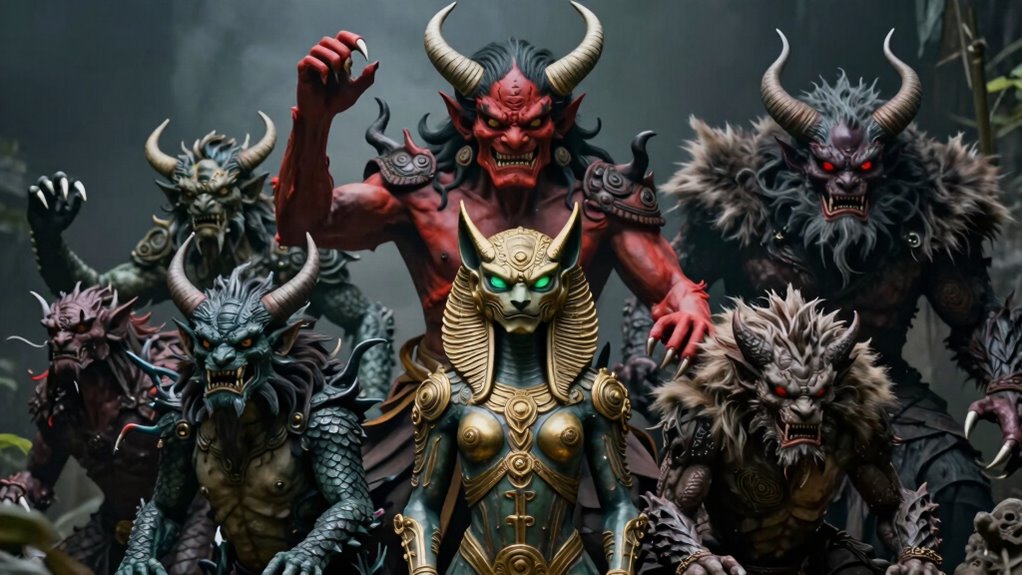
Across different traditions, you’ll find monster families reflecting societal fears, moral values, and mythic origins. In Greek mythology, monsters symbolize primal forces or divine punishment, while in Asian cultures, yokai embody natural phenomena or spiritual lessons. These families serve as allegories for chaos, morality, and collective fears. They help you understand how communities interpret the supernatural through stories rooted in myths and cultural symbolism. Keep exploring to uncover how these fascinating connections shape perceptions across cultures.
Key Takeaways
- Different cultural traditions shape monster families based on mythic origins, societal fears, and moral lessons.
- Greek mythology links monsters to chaos, divine punishment, and primal natural forces.
- Asian folklore groups yokai by traits, roles, and cultural symbolism, reflecting societal values and natural phenomena.
- Monster families serve as allegories for universal themes like morality, disorder, and supernatural forces.
- Their stories encode collective fears, sacred elements, and cultural symbolism across diverse societies.
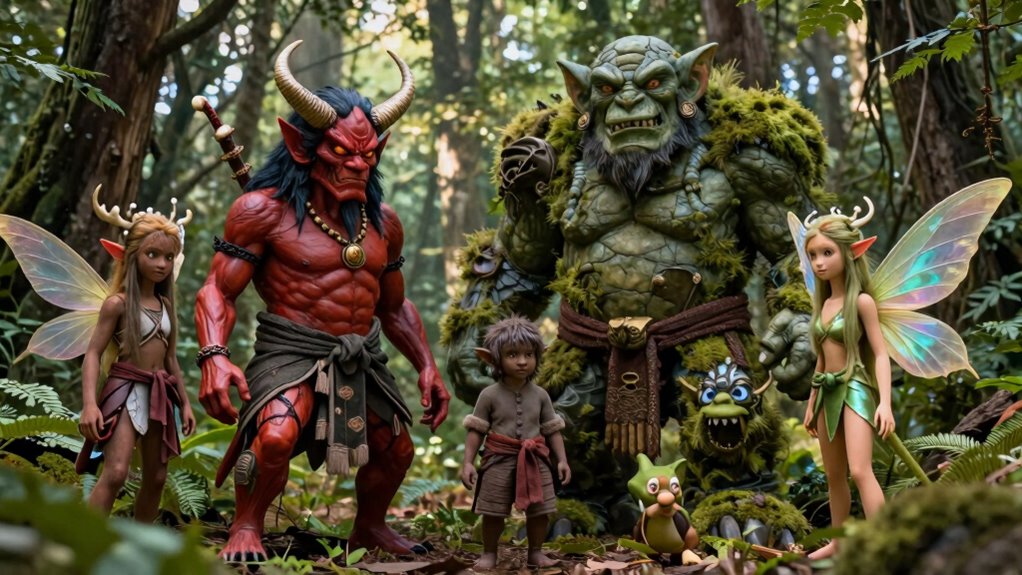
Throughout various cultures and mythologies, monsters often appear not as isolated creatures but as members of larger families that reflect their origins and cultural values. When you explore these monster families, you begin to see how each is shaped by the myths, fears, and morals of the society that created them. Their mythical creature origins reveal much about what a culture finds threatening or sacred, and their stories serve as allegories for universal themes like chaos, morality, and the unknown. These families aren’t random; they embody cultural symbolism that helps societies understand and confront their fears.
In many traditions, monsters are grouped into families based on shared traits or origins. For example, in Greek mythology, the various monsters like the Hydra, the Chimera, and the Cerberus are part of a broader mythic universe filled with creatures born from chaos or divine punishment. These families often symbolize primal forces—oceans, fire, darkness—and embody the unpredictable aspects of nature or human experience. You might notice that their mythical creature origins are tied to stories of divine conflict or primordial chaos, emphasizing their role as embodiments of disorder that heroes must confront or tame. Understanding the Mythic origins of these beings helps reveal how ancient societies explained natural disasters or divine retribution.
Across Asian cultures, monster families take on different meanings, often linked to spiritual symbolism. In Japanese folklore, you’ll find yokai—supernatural beings with diverse origins—grouped into families based on their characteristics and roles. Some symbolize natural phenomena, while others serve as warnings or protectors. These monsters reflect cultural symbolism about harmony with nature, spiritual balance, and societal morals. Their origins often stem from mythic stories, ancestral beliefs, or even historical events, making their family ties a reflection of cultural values and collective fears. Recognizing these cultural symbolism helps us understand how societies interpret the supernatural and the moral lessons embedded within their stories.
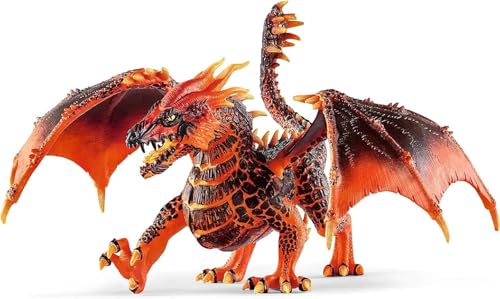
Schleich Eldrador Creatures – 8" Lava Dragon Toy – Movable Wing Action Figure for Boys and Girls – Mythical Creature Figures – Fantasy Beast Figurine – Red Monster Dragon Toys – Kids Ages 7+ | 70138
READY TO FIGHT & TAKE FLIGHT WITH POSEABLE WINGS – The wings of the big dragon figurine spread…
As an affiliate, we earn on qualifying purchases.
As an affiliate, we earn on qualifying purchases.
Frequently Asked Questions
How Do Monster Families Influence Modern Pop Culture?
Monster families influence modern pop culture by shaping stories with mythical lineage and complex family dynamics. You see this in movies, TV shows, and comics where monsters aren’t just scary but have rich backgrounds and relationships. These narratives make monsters more relatable, exploring themes like loyalty, betrayal, and identity. As a result, audiences connect deeply with these characters, fueling their popularity and inspiring new creative works that blend myth and modern storytelling.
Are Monster Families Unique to Specific Regions or Cultures?
Monster families are indeed rooted in specific regions and cultures, reflecting regional folklore and cultural symbolism. You’ll find unique monster families in various traditions, like Japanese yokai or European fairy-tale creatures. These families embody local fears, morals, and values, making them distinct to their origins. Recognizing these differences helps you appreciate how cultural symbolism shapes the way societies personify and pass down their stories of monsters through generations.
What Psychological Roles Do Monster Families Serve in Folklore?
You see, monster families act as mirrors reflecting our deepest fears and desires, serving crucial psychological roles. They embody archetypes that help you explore complex family dynamics, like loyalty, betrayal, or protection. These creatures become symbolic terrains where you confront inner conflicts, transforming personal struggles into stories of monstrous proportions. In this way, monster families guide you through understanding yourself and the universal themes of human relationships.
How Do Monster Families Evolve Over Centuries?
Over centuries, monster families evolve through changing cultures, stories, and fears, shaping their monster lineage. You’ll notice how ancestral curses often fuel their origins, passing down traits and power through generations. As societies transform, these families adapt, reflecting new anxieties or morals. This evolution keeps monster families relevant, illustrating how fears and legends morph, yet retain core elements rooted in ancestral curses and shared history.
Are There Gender Differences in Monster Family Representations?
Yes, gender differences often influence monster family representations. You’ll notice distinct gender roles shaping family dynamics, with male monsters typically portrayed as protectors or aggressors, while female monsters are linked to nurturing or seduction. These portrayals reflect cultural views on gender, affecting how monster families are imagined across traditions. Such depictions reinforce stereotypes, yet they also reveal fascinating insights into societal expectations surrounding gender roles within family structures.

Monster High Skullector Addams Family Doll Two-Pack: Morticia & Wednesday, Fully Articulated Collectible Dolls with Certificate of Authenticity
INSPIRED BY ANIMATED MOVIE: The Addams Family's in a Monster High twist, perfect for fans and collectors.
As an affiliate, we earn on qualifying purchases.
As an affiliate, we earn on qualifying purchases.
Conclusion
You’ve seen how monster families weave through worlds, whispering warnings and stories in every tradition. From fiery folklore to frosty fables, these frightening families forge fears and fascinations alike. By understanding their origins, you reveal a universe of unique, uncanny creatures, each echoing ancient echoes. So, step closer, stay curious, and see how these spooky clans shape stories, spark suspicions, and sustain superstitions across centuries and cultures.
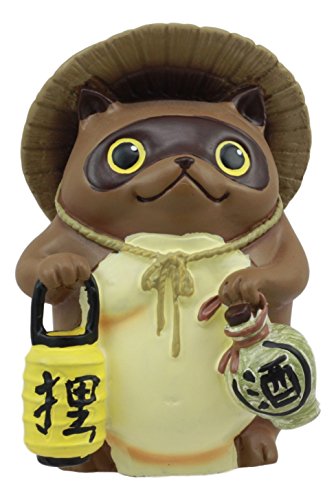
Gifts & Decor Ebros Japanese Tanuki Carrying Lantern and Sake Flask Statue 4.25" Tall Raccoon Dog Lucky Charm Collectible Figurine Bake Danuki Yokai Ghost Being
This Japanese Tanuki Statue stands at 4.5" tall, 3"long and 3" deep approximately.
As an affiliate, we earn on qualifying purchases.
As an affiliate, we earn on qualifying purchases.

Veronese Design 3 5/8 Inch Hades Greek God of Underworld Resin Miniature Hand Painted White Gold Finish Figurine
QUALITY: A timeless aestheitc, beauifully crafted and designed to last with minimal maintenance.
As an affiliate, we earn on qualifying purchases.
As an affiliate, we earn on qualifying purchases.