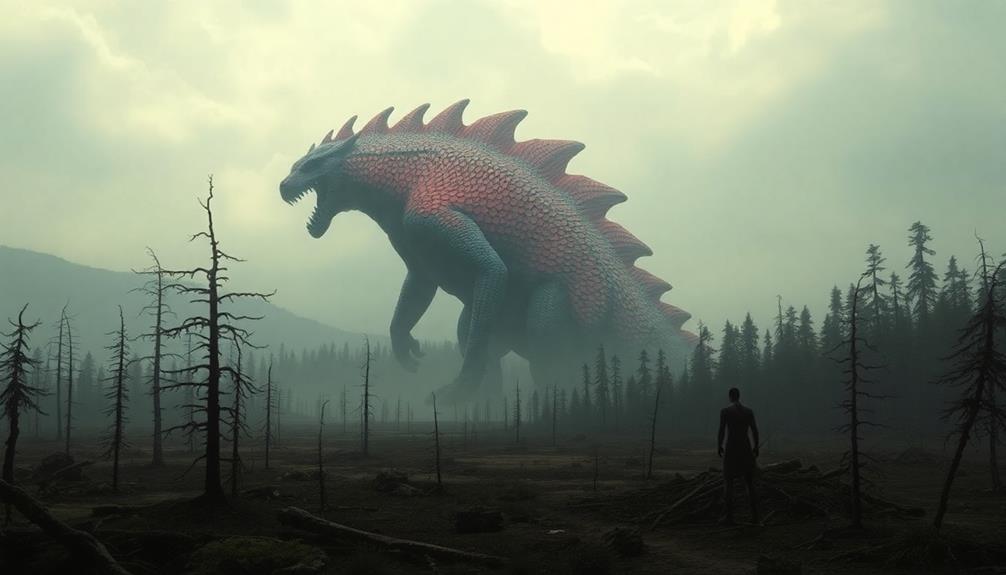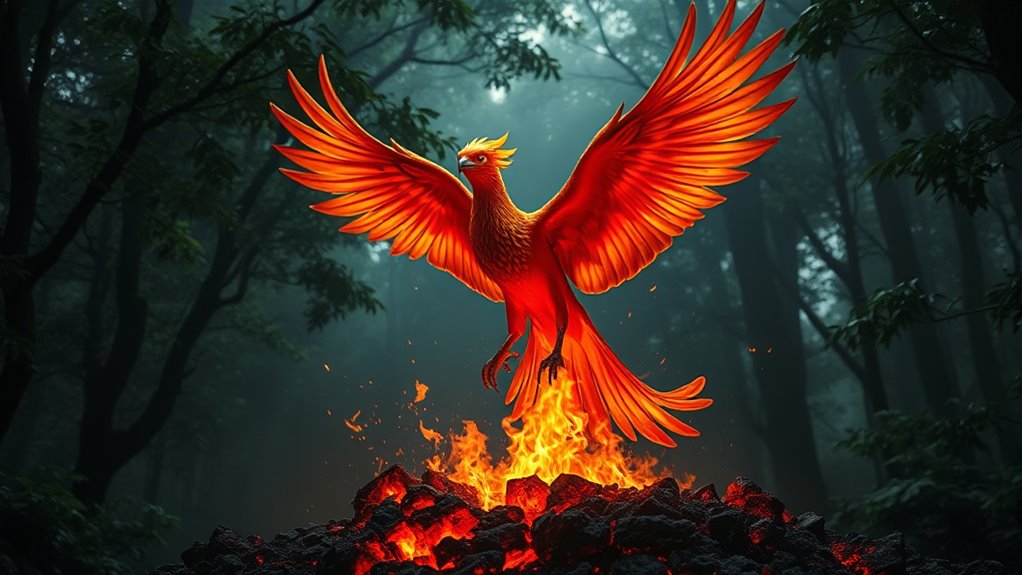

The myth of the phoenix symbolizes renewal and resilience, reminding you that destruction can lead to rebirth. In ecology, this mirrors how ecosystems recover after disasters like fires or coral reef decline, showing nature’s incredible capacity to regenerate. Human actions, such as conservation and reforestation, can support this cycle of renewal. If you’re curious about how this myth influences our understanding of ecological resilience, you’ll find fascinating insights ahead.

Prime made for students and young adults
- Fast, free delivery for dorm and study essentials
- Prime Video and Amazon Music included
- Member-only deals
Key Takeaways
- The phoenix symbolizes renewal and resilience, representing rebirth through destruction in myth and ecological cycles.
- Natural events like forest fires and coral bleaching mirror the phoenix’s cycle of destruction and rebirth.
- Conservation efforts, such as reforestation and habitat restoration, facilitate ecological renewal akin to the phoenix’s rebirth.
- The myth encourages patience and perseverance in ecological recovery, emphasizing that setbacks lead to long-term vitality.
- The phoenix story inspires individual and collective action to promote sustainability and ecological resilience.
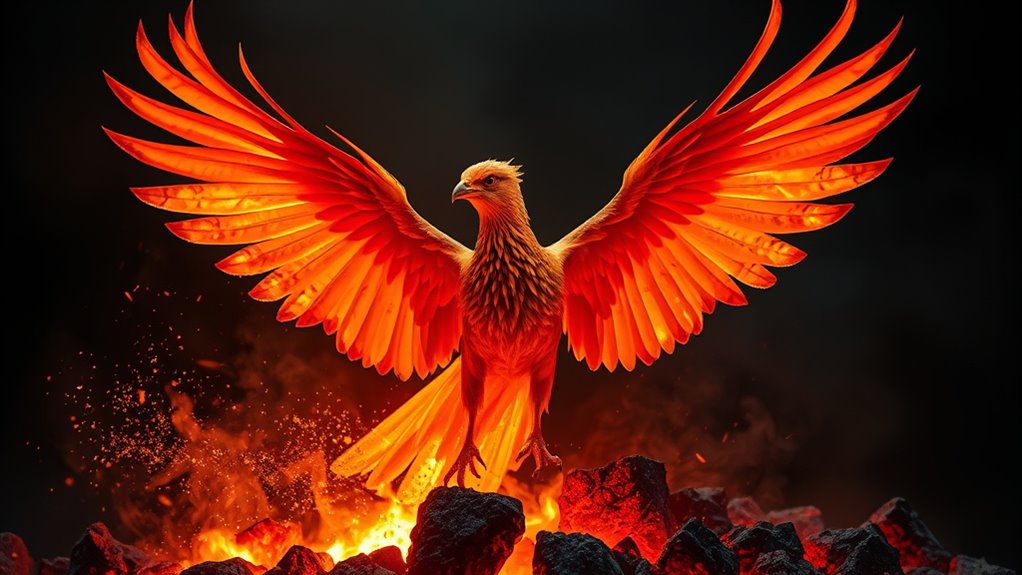
Throughout history, the myth of the phoenix has symbolized renewal and resilience, embodying the idea that destruction can lead to rebirth. This powerful image isn’t just rooted in ancient stories; it resonates deeply in today’s discussions about ecological conservation. You see, the resurrection symbolism of the phoenix offers more than mythic meaning—it provides a metaphor for environmental renewal. Just as the phoenix rises anew from its ashes, ecosystems can recover from devastation if given the chance and proper care. Recognizing this connection can inspire you to view ecological challenges not as insurmountable failures, but as opportunities for regeneration. When forests burn or coral reefs die, they may seem lost forever, but nature has an incredible capacity for rebirth, much like the legendary bird. This perspective encourages a shift in attitude toward conservation efforts, emphasizing resilience and hope rather than despair. You’re reminded that even after destruction, renewal is possible when humans commit to ecological stewardship. The phoenix’s cycle underscores the importance of protecting natural habitats so they can regenerate after disturbances—whether from wildfires, storms, or human activity. Embracing the symbolism of resurrection in ecological conservation means fostering practices that support biodiversity and ecosystem health. It’s about understanding that setbacks are part of the natural cycle, and that active intervention can facilitate renewal. For instance, reforestation projects after fires or coral restoration efforts after bleaching events echo the phoenix’s rebirth, illustrating that recovery is achievable. You can contribute by supporting policies and initiatives that prioritize sustainable practices and habitat restoration, recognizing that your actions have the power to promote resilience in the environment. Additionally, understanding the ecological significance of these rebirth cycles helps deepen your appreciation for the interconnectedness of natural systems. The myth of the phoenix also teaches patience and perseverance, qualities essential in ecological recovery. Restoration may take years, but the promise of new growth and vitality remains. The resurrection symbolism embedded in the phoenix myth encourages you to see ecological conservation as a continuous cycle—where destruction isn’t the end, but a stepping stone to a healthier future. By fostering this mindset, you participate in a broader movement that values resilience and long-term sustainability. Ultimately, the story of the phoenix reminds us that after the darkest moments, light and life can emerge again. Your role in ecological conservation is indispensable, as every effort helps ensure that the cycle of destruction and renewal continues, allowing nature to rebound and thrive once more. The myth isn’t just a tale; it’s a call to action—an enduring reminder that rebirth is always possible with hope, effort, and respect for the natural world.
As an affiliate, we earn on qualifying purchases.
Frequently Asked Questions
How Does the Firebird Symbolize Renewal Across Different Cultures?
You see the firebird symbolizing renewal through its powerful rebirth symbolism across cultures. It represents cultural transformations, embodying the idea that after destruction or death, there’s a chance for new beginnings. This mythic creature, often associated with fire and renewal, reminds you that renewal is a natural part of life, inspiring hope and resilience. Its recurring presence in stories highlights the universal desire for rebirth and continuous growth.
Are There Any Real-World Animals Inspired by the Firebird Myth?
Yes, some real-world animals are inspired by the firebird myth through biomimicry inspiration. For example, certain bird species like the resplendent quetzal and phoenix-related motifs in jewelry and art reflect cultural symbolism, embodying themes of renewal and rebirth. These animals and symbols remind us of the firebird’s mythic qualities, inspiring innovation and cultural appreciation across different societies.
What Ecological Roles Do Fire-Like Phenomena Play in Natural Habitats?
You’ll notice fire-like phenomena, like wildfires, play essential roles in natural habitats by shaping ecosystems through firebreak management and wildfire ecology. These events clear dead material, promote new growth, and help maintain biodiversity. Fire acts as a natural reset, encouraging resilient plant and animal communities. While destructive, these fires are critical for ecological balance, ensuring habitats remain healthy and adaptable for future species survival.
How Has the Firebird Myth Influenced Modern Environmental Conservation Efforts?
You might not realize it, but the firebird myth has transformed how we see environmental conservation, shaping cultural symbolism and mythological archetypes that inspire hope and renewal. This legend fuels efforts to protect endangered ecosystems, emphasizing rebirth and resilience. By embodying eternal cycles, it encourages communities worldwide to view nature as a sacred, regenerative force, inspiring passionate actions aimed at preserving our planet’s future.
Can the Firebird Myth Be Linked to Climate Change Narratives?
Yes, the firebird myth can be linked to climate change narratives through its symbolism of renewal and resilience. You see, the firebird embodies climate symbolism, representing environmental resilience amid destruction. This myth inspires you to view climate challenges not as final, but as opportunities for rebirth and recovery. It encourages hope and action, emphasizing that even after devastation, renewal is possible through perseverance and respect for nature’s cycles.
As an affiliate, we earn on qualifying purchases.
Conclusion
As you leave this exploration behind, remember that the firebird’s myth isn’t just about renewal—it’s a symbol of something more profound lurking beneath the surface. Could the legend hold secrets about our own world’s fragile balance? The answer’s just beyond your reach, waiting to be uncovered. Stay curious, because the story of the phoenix isn’t over yet. And maybe, just maybe, its next rebirth is closer than you think—even in the shadows of today’s ecological mysteries.
As an affiliate, we earn on qualifying purchases.
biodiversity conservation supplies
As an affiliate, we earn on qualifying purchases.
As an affiliate, we earn on qualifying purchases.
Halloween Picks
halloween
As an affiliate, we earn on qualifying purchases.