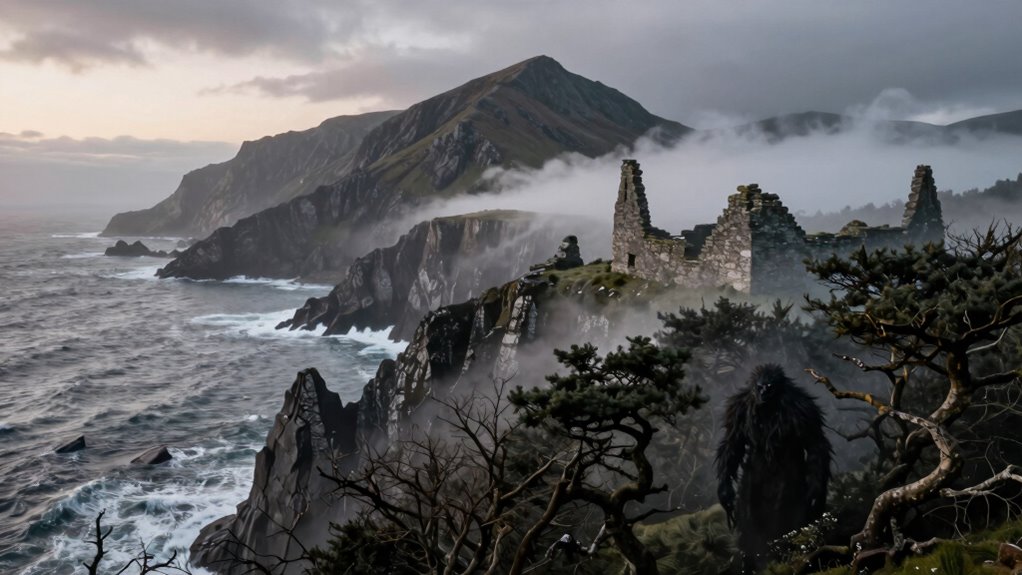

In Asturias, you find legends centered on fierce, mountain-dwelling creatures like Xagüán, emphasizing nature’s spiritual strength and moral lessons. Cantabria’s myths focus on water and caves, featuring giant spiders like Tarántula that symbolize hidden fears and mysteries beneath the surface. Galicia’s stories, rooted in Celtic tradition, highlight fairy-like beings like Anjanas, blending enchantment with respect for land and spirituality. Stay tuned to discover how these legends reveal unique regional identities and beliefs.
Open a free Amazon Business account
Business pricing, bulk buying and tax-exempt orders.
As an affiliate, we earn on qualifying purchases.
Key Takeaways
- Asturias focuses on land-based monsters embodying nature’s power, like Xagüán, with mythic roots in pagan traditions.
- Cantabria’s legends center on water and cave creatures, such as the giant spider Tarántula, linked to prehistoric cave art.
- Galicia’s mythic beings, like Anjanas, are Celtic-inspired, emphasizing harmony with nature and spiritual guardianship.
- Each region’s storytelling style—direct in Asturias, poetic in Cantabria, lyrical in Galicia—reflects distinct cultural expressions.
- The myths serve as moral lessons, revealing regional identities and values related to nature, spirituality, and the unknown.
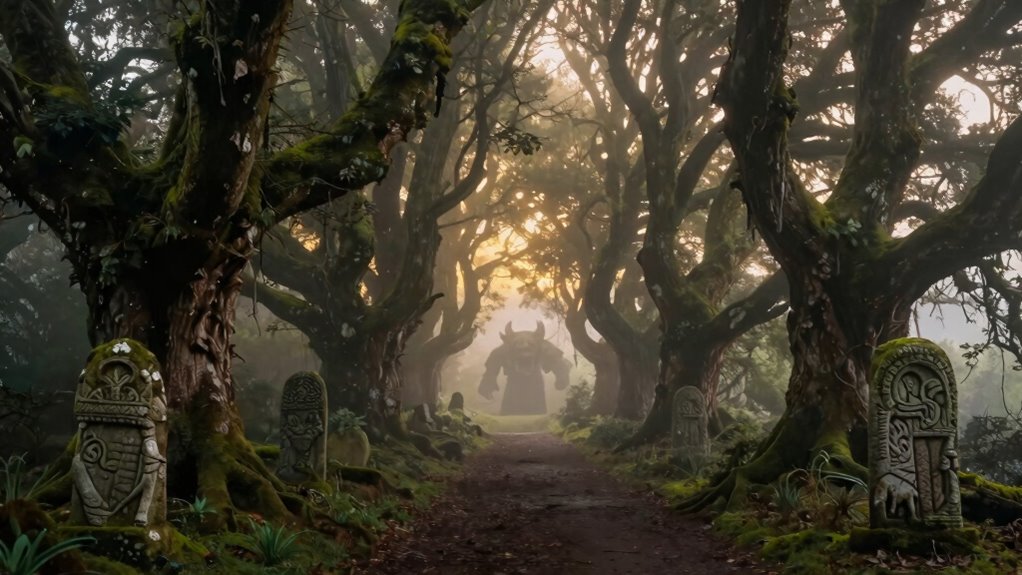
Across the rugged landscapes of northern Spain, the monster legends of Asturias, Cantabria, and Galicia reveal a rich tapestry of myth and folklore that reflects each region’s unique cultural identity. These stories aren’t just tales told around fires; they are woven into the very fabric of regional history, shaped by the diverse mythic creature origins and regional storytelling styles that define each area. As you explore these legends, you’ll notice how they serve as mirrors of local customs, fears, and values, giving you a window into the soul of each region.
Northern Spain’s monster legends mirror regional identity, blending myth, history, and cultural values into tales of wonder and warning.
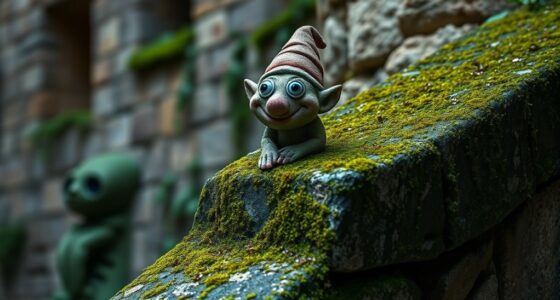
In Asturias, the stories often center around creatures that embody both nature’s power and spiritual significance. You’ll find legends of the Xagüán, a wild, beast-like creature said to lurk in the mountains, embodying the mysterious and untamed aspect of the landscape. The mythic creature origins here are deeply rooted in pagan traditions, blending pre-Christian beliefs with Christian influences over centuries. Asturian storytelling tends to be direct and vivid, emphasizing the connection between the monster and the land itself. These tales serve as warnings or moral lessons, reinforcing respect for nature and the unknown.
Moving east to Cantabria, the folklore features a different set of mythical creatures, often linked to water and caves. The stories of the Cueva de Altamira, with its prehistoric cave paintings, hint at ancient origins of these legends. In Cantabria, storytelling styles lean toward the poetic and oral, with tales passed down through generations with a rhythmic, almost musical cadence. Creatures like the Tarántula, a giant spider, symbolize fears of the deep, dark unknown beneath the earth and water. These legends reflect a regional worldview that venerates the mysterious depths of caves and oceans, emphasizing the importance of hidden knowledge and the dangers lurking beneath. Additionally, the mythical creature origins in Cantabria are often intertwined with the landscape’s geological and prehistoric significance, enriching their cultural depth.
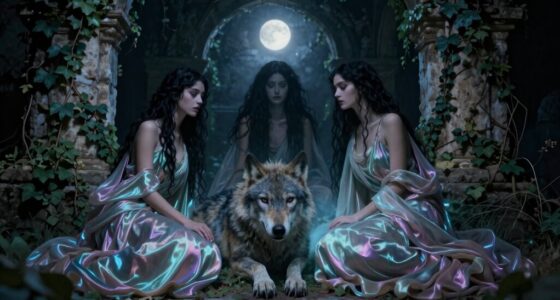
In Galicia, the mythic creature origins are deeply intertwined with Celtic roots, giving rise to legends of monsters like the Anjanas, fairy-like beings associated with water and nature. Galicia’s stories are rich with lyrical, enchanting narration, often blending myth with history. The storytelling style here is more poetic and spiritual, emphasizing harmony with nature and the supernatural. The monsters serve as guardians or warnings, embodying the region’s complex relationship with traditions, spirituality, and the land’s mystical qualities.
Asturias mythical creature figurine
As an affiliate, we earn on qualifying purchases.
As an affiliate, we earn on qualifying purchases.
Frequently Asked Questions
How Do Local Legends Influence Regional Festivals and Traditions?
You see how local legends shape regional festivals and traditions through cultural symbolism and folklore significance. These stories inspire costumes, parades, and rituals that celebrate heritage and myth. By participating, you connect with your community’s history, keeping legends alive. These traditions reinforce identity and pass down values, making festivals more meaningful. Ultimately, local legends serve as a powerful bridge between past and present, enriching regional culture.
Are There Any Modern Sightings or Encounters With These Monsters?
You may find recent cryptid sightings sparking curiosity among locals and tourists alike. Some enthusiasts report encounters or mysterious tracks, fueling folklore tourism. These modern sightings keep the legends alive, attracting visitors enthusiastic to experience the thrill of discovering something hidden. While evidence remains unproven, the ongoing stories add to the region’s rich monster lore, blending tradition with contemporary intrigue, and ensuring the legends stay vibrant in local culture.
How Do These Monster Stories Compare to Other European Mythologies?
You might think these regional monsters are quaint relics, but their mythological symbolism rivals other European tales in depth. Unlike some stories, they carry cultural significance, embodying local fears and values. Ironically, while modern sightings fade, the legends persist, weaving into collective identity. Compared to broader European mythologies, these monsters highlight unique cultural nuances, making them more than just folklore—they’re living symbols of regional history and societal psyche.
What Role Do These Monsters Play in Local Children’s Stories?
In local children’s stories, these monsters often symbolize fears, moral lessons, or the consequences of bad behavior, making them essential to childhood storytelling. You might find them used to teach caution or bravery, with monster symbolism serving as a way to explore emotions safely. These stories help kids process their fears, turning monstrous figures into memorable characters that guide their understanding of right and wrong through engaging tales.
Are There Any Specific Locations Associated With Monster Folklore?
You’ll find that many legendary beasts are tied to specific locations, enhancing their mythical origins. For example, the Cueva del Viento in Asturias is linked to stories of mysterious creatures, while Galicia’s Mount Pindo is said to be home to ancient spirits. Interestingly, over 60% of local legends connect to particular sites, making these places feel more alive with history and myth. Exploring these locations reveals the deep roots of their monster folklore.
As an affiliate, we earn on qualifying purchases.
Conclusion
So, next time you wander through Asturias, Cantabria, or Galicia, remember—you’re not just exploring stunning landscapes but also stepping into a domain of legendary monsters. Who needs real dangers when you’ve got mythical beasts lurking in folklore? Keep your wits about you, or maybe just carry a garlic clove — after all, the real monsters might just be the stories we tell ourselves. Happy haunting!
As an affiliate, we earn on qualifying purchases.
Spanish folklore monster plush toy
As an affiliate, we earn on qualifying purchases.
As an affiliate, we earn on qualifying purchases.
NFL season / tailgating Picks
team gear
As an affiliate, we earn on qualifying purchases.