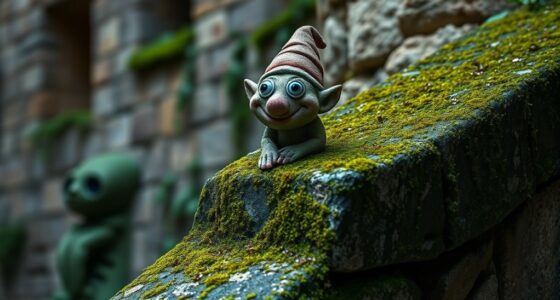
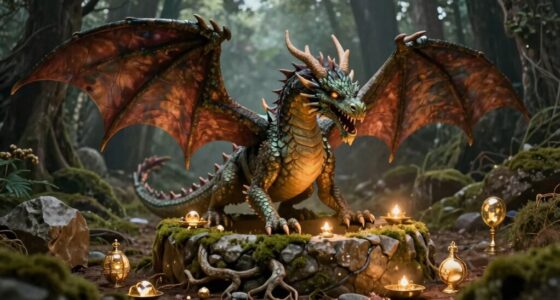
Spain’s enchanted women, Mouras, and captive-beast stories reveal a deep link to the land’s natural and supernatural worlds. You’ll find characters embodying nature’s magic, such as beautiful Mouras guarding treasures and sacred sites. These tales often explore themes of love, betrayal, and strength, highlighting society’s values. If you stay curious, you’ll discover how these legends reflect Spain’s cultural identity and enduring mystical bond with the environment.

Prime made for students and young adults
- Fast, free delivery for dorm and study essentials
- Prime Video and Amazon Music included
- Member-only deals
Key Takeaways
- Mouras are supernatural women symbolizing nature’s beauty and mystical forces in Spanish folklore.
- Mythical creatures in Spain serve as bridges between natural landscapes and spiritual realms.
- Captive-beast stories reflect human mastery over nature and emphasize societal values of strength and loyalty.
- Legends of Mouras often involve themes of love, betrayal, and protection of sacred sites.
- These stories embody Spain’s cultural identity, highlighting reverence for natural elements and mystical traditions.

Spain’s folklore is rich with tales of enchanted women, Mouras, and captive-beast stories that reveal a deep connection between humans and the mystical domain. These stories often feature mythical creatures that embody cultural symbolism, serving as bridges between the natural and supernatural worlds. As you explore these legends, you’ll notice how they reflect core values, fears, and hopes ingrained in Spanish culture. The Moura, for instance, is a supernatural woman often depicted with mesmerizing beauty and supernatural powers, symbolizing the enchanting allure of nature itself. These figures are neither fully human nor entirely divine, representing the mysterious forces that govern the landscape and local traditions.
In many tales, Mouras are portrayed as guardians of hidden treasures or sacred sites, emphasizing their role as protectors of cultural heritage. Their stories often involve themes of love, betrayal, and redemption, highlighting the complex relationship between humans and the supernatural. You might find yourself captivated by their tragic love stories or their fierce battles to defend their domain. These mythical creatures serve as cultural symbols of the land’s deep history, embodying the spirit of the mountains, caves, and forests they inhabit. They remind you that nature is alive and filled with ancient power, deserving reverence and respect. Additionally, these legends often emphasize the importance of respecting natural elements and understanding their significance within cultural narratives. Recognizing the interconnection between mythology and environment can deepen your appreciation for these traditions.
Furthermore, the symbolism of these beings often highlights the importance of cultural identity in shaping regional legends and beliefs. Captive-beast stories further illustrate this connection to the mystical domain. These tales often feature animals with extraordinary qualities—lions, wolves, or other creatures—who serve as messengers or protectors. When a beast is captured or tamed, it symbolizes human mastery over nature, but also the delicate balance that must be maintained. If you pay close attention, you’ll see how these stories reflect societal values about strength, loyalty, and harmony with the environment. Mythical creatures in these stories are more than just fantastical beings; they’re woven into the cultural symbolism that defines regional identities and moral lessons.
Through these stories, Spain’s folklore invites you to view the natural world as alive with spirits and stories waiting to be discovered. The enchantment of Mouras and the significance of mythical creatures serve as enduring symbols of cultural identity, reminding you that history and myth are inseparably linked. These legends are not just entertainment—they’re a reflection of Spain’s collective soul, echoing themes of mystery, reverence, and the mystical power that continues to shape the land and its people. As you listen or read these stories, you’ll sense the timeless bond between humanity and the enchanted world that surrounds us all.
As an affiliate, we earn on qualifying purchases.
Frequently Asked Questions
How Do Mouras Compare to Similar Mythological Figures in Other Cultures?
You’ll find that Mouras share similarities with mythological parallels in other cultures through their cultural symbolism of longing, nature, and transformation. Like mermaids or sirens, Mouras are often connected to water and symbolize mystery and seduction. Their stories echo themes of enchantment and tragic beauty, highlighting universal archetypes of enchantresses and lost spirits. These parallels emphasize how different cultures interpret the mystical and emotional power of female figures tied to nature and the supernatural.
What Are the Origins of Spain’s Captive-Beast Stories?
You might be surprised to learn that Spain’s captive-beast stories trace back over a thousand years, blending Christian and pagan folklore symbolism. These tales often feature mythical creatures, like wolves or lions, representing primal forces or moral challenges. Their origins lie in ancient storytelling traditions, where humans sought to understand nature’s power and their own instincts. These stories serve as allegories, teaching lessons about captivity, transformation, and moral virtue through mythic symbolism.
Are There Modern Adaptations of These Traditional Tales?
Yes, there are modern retellings of these traditional tales, influenced by contemporary themes and storytelling styles. You’ll find authors and filmmakers drawing on these legends, adapting them with new perspectives and visuals. These contemporary influences help keep the stories alive, making them accessible to new generations. By blending tradition with modern creativity, these retellings preserve cultural roots while exploring fresh ideas and themes relevant today.
How Do These Stories Reflect Regional Spanish Identities?
You see that these stories mirror regional folklore and cultural symbolism, shaping local identities deeply. They embody unique traditions, beliefs, and values, highlighting specific landscapes, customs, and historical contexts. By exploring these tales, you connect with regional spirits and archetypes, fostering a sense of belonging. These stories serve as cultural markers, preserving regional distinctions and enriching your understanding of Spain’s diverse cultural tapestry.
What Symbolism Is Associated With the Enchanted Women in Folklore?
Did you know that over 60% of folklore features enchanted women symbolizing fertility and mystery? These figures often embody symbolic femininity, representing nature’s power and allure. Their stories highlight mystical transformation, reflecting cultural values and fears. When you encounter these enchanted women, you’re witnessing symbols of change and the divine feminine, reminding you of nature’s unpredictable yet mesmerizing force. Their allure signifies deeper spiritual and cultural meanings rooted in regional traditions.
As an affiliate, we earn on qualifying purchases.
Conclusion
As you explore Spain’s enchanted women, mouras, and captive-beast tales, you’ll find stories as rich and layered as a tapestry. These legends, like hidden gems, reveal the deep roots of Spanish folklore and culture. Embrace the magic and mystery—they’re like whispers carried by the wind, inviting you to uncover their secrets. Let these stories inspire your imagination, and remember, every legend is a bridge to Spain’s enchanting soul.
Mythical creatures Spain folklore
As an affiliate, we earn on qualifying purchases.
As an affiliate, we earn on qualifying purchases.
Spanish cultural stories collection
As an affiliate, we earn on qualifying purchases.
As an affiliate, we earn on qualifying purchases.
Halloween Picks
halloween
As an affiliate, we earn on qualifying purchases.