In Spanish folklore, culebres and dragons symbolize powerful natural and spiritual forces, embodying both chaos and wisdom. These legendary creatures often serve as protectors of sacred sites or treasures, reflecting regional beliefs and cultural traditions. Festivals and stories celebrate their mythical presence, preserving community identity. Their symbolism highlights virtues like bravery and transformation. If you explore further, you’ll discover the fascinating ways these creatures continue to influence Spanish culture today.

Prime made for students and young adults
- Fast, free delivery for dorm and study essentials
- Prime Video and Amazon Music included
- Member-only deals
Key Takeaways
- Culebres and dragons in Spain symbolize dual forces of chaos and protection, reflecting cultural and spiritual beliefs.
- They are featured in regional myths as guardians of treasures or sacred sites, embodying transformation and wisdom.
- Cultural traditions include festivals, dances, and sculptures that celebrate and preserve these legendary beings.
- Artistic representations vary across regions, emphasizing their roles as fierce monsters or protective guardians.
- Modern stories and celebrations maintain their significance, fostering community identity and cultural continuity.
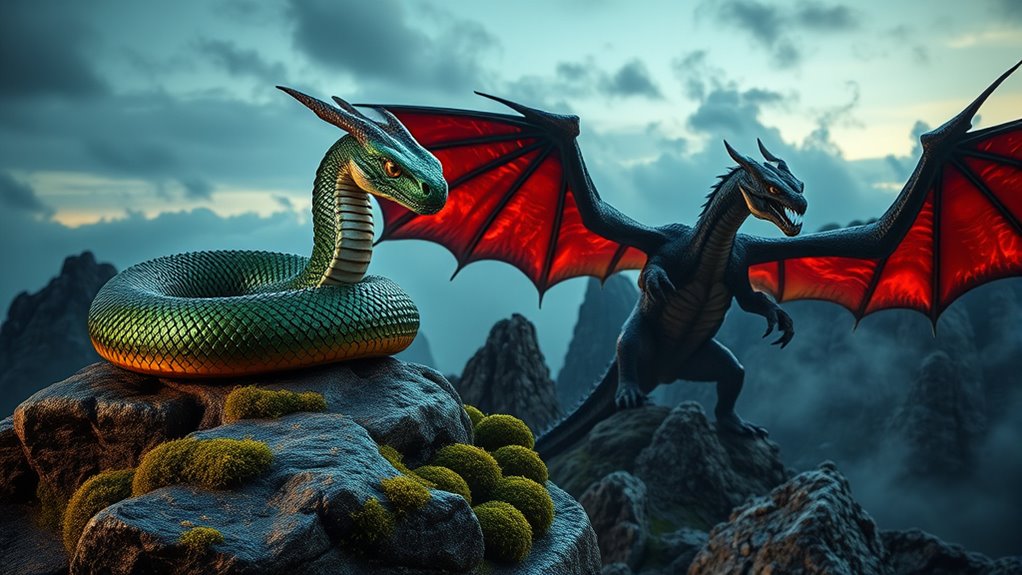
Have you ever wondered about the fascinating tales surrounding culebres and dragons? These legendary creatures are more than just stories; they’re woven into the cultural fabric of Spain, embodying rich mythical symbolism and diverse cultural representations. In Spanish folklore, culebres and dragons often symbolize powerful forces—both destructive and protective—reflecting the complex relationship communities have with nature, spirituality, and good versus evil. When you explore these stories, you’ll see how these mythical beings serve as symbols of strength, chaos, and transformation, capturing the imagination across generations.
Mythical symbolism plays a vital role in understanding these creatures. Culebres, often depicted as serpentine or dragon-like beings, are sometimes seen as guardians of treasures or sacred sites. They can embody chaos and danger, but also wisdom and protection. This duality highlights their significance as symbols of transformation—challenging humans to confront fears and emerge stronger. Dragons, on the other hand, are frequently portrayed as mighty, fire-breathing beasts that threaten villages and landscapes, representing chaos and destruction. Yet, in many stories, they’re also guardians of hidden knowledge or treasures, symbolizing the pursuit of enlightenment and the triumph of good over evil. These mythical symbols serve to teach moral lessons, emphasizing virtues like bravery and perseverance.
Cultural representations of culebres and dragons vary across regions in Spain, revealing local beliefs and traditions. In some areas, they’re depicted as fierce monsters to be defeated by heroes, echoing themes of struggle and victory. In others, they’re revered as protectors or spiritual guides, embodying ancestral wisdom. You might find colorful sculptures, elaborate festivals, or traditional dances that portray these creatures, reinforcing their cultural importance. These representations often blend myth with local history, creating a sense of identity and continuity. For example, in certain towns, festivals feature dragon dances and elaborate costumes, transforming myth into a lively communal celebration. Such festivities not only honor ancient legends but also serve to strengthen community bonds, passing down stories and symbolism from one generation to the next.
Additionally, the use of affiliate links in modern storytelling and cultural promotion can help support the preservation and dissemination of these legends, ensuring their relevance for future generations. In essence, the tales of culebres and dragons in Spain are more than mere myths—they’re cultural symbols that reflect human fears, aspirations, and morals. They embody the mythical symbolism that underpins many stories, serving as powerful representations of natural forces and spiritual truths. Whether depicted as fierce monsters or revered guardians, these creatures remind you of the enduring power of myth to shape cultural identity and inspire wonder. As you explore Spanish folklore, you’ll discover that culebres and dragons continue to symbolize the complex, vibrant tapestry of human belief, bridging the ancient with the modern in a captivating dance of legend and tradition.
Spanish dragon festival costumes
As an affiliate, we earn on qualifying purchases.
As an affiliate, we earn on qualifying purchases.
Frequently Asked Questions
Are Culebres Considered Real Creatures or Mythological?
Culebres are mythological creatures, not real animals, but they hold significant symbolism in various cultures. You might find Culebre symbolism in stories emphasizing protection and mysticism. While they aren’t real, the importance of Culebre conservation highlights cultural respect and preservation efforts for related endangered species, such as certain reptiles. By understanding their mythological roots, you can appreciate their cultural significance and support conservation initiatives that protect real, living creatures.
How Do Spanish Legends Depict Culebres’ Abilities?
Spanish legends depict culebres as astonishing beasts with powers that seem to defy reality. They’re believed to breathe fire hotter than the sun, fly faster than lightning, and wield magic capable of bending nature itself. In Spanish dragon myths, culebre symbolism embodies chaos and protection, making them formidable guardians of secrets. These stories paint them as creatures of legend, whose abilities leave even the bravest in awe, forever etched in mythic history.
What Are Common Symbols Associated With Culebres in Spain?
You’ll find that culebres in Spain are often linked to symbolic representations of protection and power. Cultural symbolism associates them with elements like water and wind, reflecting their mystical nature. You might see symbols such as serpents, dragons, or mythical creatures in art and folklore, emphasizing their role as guardians. These symbols serve as powerful reminders of local legends, embodying the culebres’ mythic qualities and their significance in Spanish cultural heritage.
Are There Regional Differences in Culebre Stories Across Spain?
Yes, you’ll find regional variations in culebre stories across Spain, shaped by local folklore influences. In some regions, culebres are seen as protectors, while in others, they’re more malevolent creatures. These differences reflect diverse cultural traditions and mythologies, making each story unique. Exploring these variations helps you understand how regional folklore influences the way culebres are perceived and portrayed throughout Spain.
How Do Culebres Compare to Dragons in Other Cultures?
Culebres are like tiny, mysterious guardians compared to the mighty dragons of other cultures. While dragons symbolize power, wisdom, and chaos, culebres often embody local cultural symbolism and mythological origins rooted in Spanish folklore. You’ll find that culebres tend to be more intertwined with regional legends, whereas dragons have a broader, universal mythic presence. Their differences highlight how cultures shape mythical creatures to reflect their unique values and stories.
mythical creature sculptures Spain
As an affiliate, we earn on qualifying purchases.
As an affiliate, we earn on qualifying purchases.
Conclusion
So, next time you hear about the Spanish culebre or dragon legends, remember they’re more than just stories. They connect us to a rich history of myth and culture that still sparks our imagination today. You might think tales like these are just fanciful, but they remind us of our shared human desire for wonder and storytelling. Embrace these legends, and you’ll see how they continue to inspire and intrigue us across generations.
Spanish folklore dragon figurines
As an affiliate, we earn on qualifying purchases.
As an affiliate, we earn on qualifying purchases.
traditional Spanish dragon dance costumes
As an affiliate, we earn on qualifying purchases.
As an affiliate, we earn on qualifying purchases.
Fall Picks
fall essentials
As an affiliate, we earn on qualifying purchases.