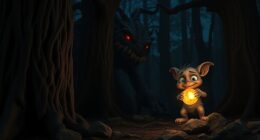
The Old Hag legend links sleep paralysis to ancient fears of witches and supernatural beings. Throughout history, people believed that witches or dark spirits could sit on their chests, causing pressure and hallucinations during sleep. These stories fueled witch hunts and superstitions, with many seeking charms for protection. Modern science explains this as a neurological phenomenon, but the legends still reflect how cultures have long misunderstood natural sleep experiences. If you keep exploring, you’ll uncover how these fears shaped legends over centuries.
Key Takeaways
- Historically, sleep paralysis was linked to witchcraft, with legends of witches or the “Old Hag” sitting on victims’ chests.
- Early cultures believed supernatural entities, including witches, caused paralysis during sleep, fueling fears and superstitions.
- During witch hunts, many reports of paralysis and hallucinations reinforced the association between witches and sleep disturbances.
- Protective charms and religious symbols were used to ward off perceived witch attacks during sleep episodes.
- Modern science explains sleep paralysis neurologically, but legends of the “Old Hag” persist, blending folklore with historical fears.

Sleep paralysis, a phenomenon where you wake up unable to move or speak, has long been shrouded in mystery and fear. Throughout history, many cultures have associated this unsettling experience with supernatural forces, often rooted in superstitions surrounding sleep. In earlier times, people believed that such episodes were caused by malevolent spirits or witches practicing dark magic. These superstitions fueled fears that malevolent entities could enter your room during vulnerable moments, pinning you down as part of their sinister rituals or curses. In some cultures, sleep paralysis was seen as a direct attack from witches or demons, who would sit on your chest, causing a sensation of pressure and dread. These superstitions persisted across centuries, shaping how people interpreted their terrifying experiences.
Historical accounts of witch sightings often intersect with descriptions of sleep paralysis. During the witch hunts of the 16th and 17th centuries, countless individuals reported feeling a heavy weight on their chests, hearing strange noises, or seeing shadowy figures—experiences that align closely with modern explanations of sleep paralysis. Many believed these were signs of witches visiting them during the night, either to torment or curse them. These accounts contributed to the widespread hysteria, reinforcing the idea that witches wielded supernatural powers capable of haunting or afflicting people in their sleep. It’s no wonder that stories about witches and their nocturnal activities became intertwined with sleep paralysis experiences, creating a cultural narrative that blamed witches for these frightening episodes.
The superstitions surrounding sleep during those times often painted witches as the culprits behind sleep paralysis episodes. People thought that witches could cast spells that caused these paralysis episodes, sometimes called “witch’s visitations,” to frighten or control their victims. As a result, many sought protective charms, amulets, or religious symbols to ward off these nocturnal attacks. These beliefs persisted well into the early modern period, fueling paranoia and accusations of witchcraft. The fear was so intense that even innocent individuals could fall victim to accusations, simply because they experienced sleep paralysis and described strange sensations or hallucinations. The connection between witch sightings and sleep paralysis became deeply embedded in folklore, shaping how communities understood and responded to these mysterious experiences.
Today, we understand that sleep paralysis is a neurological phenomenon, but the historical superstitions and witch sightings continue to color its story. They remind us how fear and ignorance can turn natural experiences into tales of supernatural malevolence. The legends of witches sitting on chests and causing paralysis echo through history, blending cultural fears with the scientific explanations we have now. While we can dispel the myths, understanding these stories helps us appreciate how humanity has long tried to make sense of the unknown.
Frequently Asked Questions
Are There Known Medical Causes for Sleep Paralysis?
Yes, there are known medical causes for sleep paralysis. Neurological factors, such as disruptions in the brain’s regulation of REM sleep, often play a role. REM disturbances, where your body temporarily loses muscle atonia during REM sleep, can lead to episodes of sleep paralysis. Stress, sleep deprivation, and certain medications can also trigger these episodes by affecting your sleep cycle and neurological functioning.
How Do Different Cultures Interpret the Old Hag Legend?
You’ll find that different cultures interpret the old hag legend through unique cultural symbolism and folklore variations. In some societies, she’s seen as a spirit or witch, symbolizing fears or guilt, while others view her as a guardian or ancestor. It’s clear that across traditions, the legend reflects universal themes of vulnerability and mystery, but each culture adds its own flavor, proving that myths are truly a reflection of collective beliefs.
Can Sleep Paralysis Be a Sign of Mental Health Issues?
Yes, sleep paralysis can be a sign of mental health issues, especially if you experience frequent sleep disturbances or anxiety. These episodes may be linked to conditions like depression, PTSD, or stress. If you notice persistent sleep paralysis, it’s important to consult a healthcare professional. Addressing underlying mental health concerns can help reduce episodes and improve your overall sleep quality. Don’t ignore these signs; they might indicate deeper issues needing attention.
What Are the Best Methods to Prevent Sleep Paralysis Episodes?
Sleeping peacefully might feel like chasing a unicorn, but you can reduce sleep paralysis episodes by improving your sleep hygiene and keeping a dream journal. Maintain a consistent sleep schedule, avoid caffeine and screens before bed, and create a relaxing environment. Recording your dreams can help identify triggers. Relaxation techniques like deep breathing or meditation before sleep can also ease your mind and prevent those eerie episodes.
Are There Any Historical Records Linking Witches to Sleep Paralysis Phenomena?
You’ll find that historical witchcraft records and folklore documentation sometimes link sleep paralysis experiences to witches or malevolent spirits. In medieval and early modern times, people believed that witches could cause these episodes through curses or supernatural influence. These stories reflect cultural fears and explanations for sleep paralysis, often depicting witches as tormentors during these moments. While not scientifically proven, these legends reveal how societies historically interpreted mysterious, frightening phenomena.
Conclusion
As you explore the eerie connection between sleep paralysis and witch legends, remember that fear often paints shadows on our minds like a painter with a dark brush. Just as a fog lifts to reveal clear skies, understanding this phenomenon can dispel the myths that haunt the night. Sleep paralysis may feel like a witch’s spell, but it’s really just a strange sleep cycle. Embrace knowledge, and you’ll find the darkness isn’t as frightening as it seems.