To improve your chances of capturing Bigfoot on camera, choose security systems with motion sensors, infrared night vision, and high-resolution capabilities. Place cameras near trails, water sources, or recent footprints, ensuring they’re discreet and blend into the environment. Regularly check for obstructions and adjust settings for peak performance. Using the right equipment and strategic placement can make a big difference. Keep exploring, and you’ll find even more tips to help you succeed in your efforts.

Prime made for students and young adults
- Fast, free delivery for dorm and study essentials
- Prime Video and Amazon Music included
- Member-only deals
Key Takeaways
- Choose trail cameras with motion detection and infrared night vision for 24/7 unobtrusive monitoring.
- Position cameras at eye level near footprints, water sources, or game trails for optimal wildlife capture.
- Ensure cameras are discreetly mounted on sturdy trees or posts to blend into the environment.
- Regularly check and maintain camera settings, batteries, and clear obstructions for continuous operation.
- Focus on areas with recent activity or disturbances to increase chances of Bigfoot sightings.
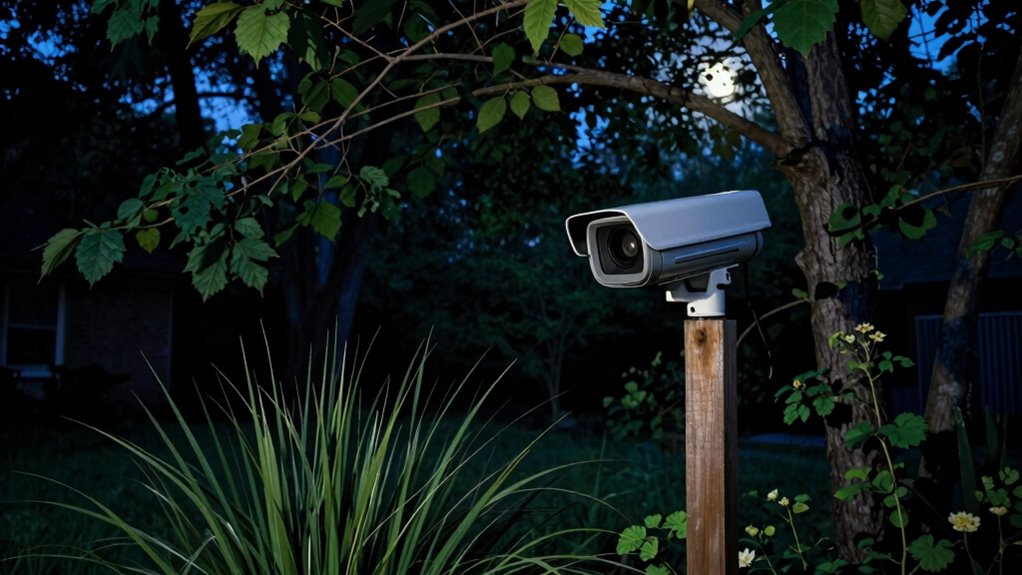
Ever wondered how to catch a glimpse of Bigfoot from your backyard? If so, setting up a security camera system tailored for Bigfoot watching could be your best bet. While most folks think of security cameras as tools for home security, they can also serve as discreet wildlife photography devices, capturing elusive creatures like Bigfoot in action. The key lies in strategic camera placement—positioning your cameras in spots where Bigfoot is most likely to pass. Think along the lines of dense woods, game trails, or near water sources, where wildlife naturally congregates. You want your camera to be as unobtrusive as possible, blending into the environment without startling any passing creatures.
When it comes to wildlife photography, the goal is to get clear, sharp images without disturbing the scene. To accomplish this, you need to guarantee the right camera placement carefully. Place your cameras at eye level or slightly above to get a more natural perspective. Use trail cameras with motion sensors and infrared capabilities so they can detect movement at night, providing 24/7 coverage without spooking Bigfoot if it’s real. Position the camera on sturdy trees or posts, angling it towards areas where footprints or recent disturbances have been spotted. Remember, the more natural and hidden your setup, the more likely you are to capture authentic footage of Bigfoot without alerting the creature. Wildlife behavior can influence how and when Bigfoot may appear, so understanding its habits can improve your chances. Additionally, understanding animal movement patterns can help you anticipate the best times for sightings and optimize your camera positioning. Incorporating natural habitat factors into your planning increases your chances of success. Recognizing the importance of seasonal variations can also help you plan your camera schedules to coincide with peak activity periods. Moreover, researching local wildlife can inform you about other animals that might trigger false alarms, allowing you to fine-tune your setup.
Adjust your camera settings for peak results. Use high-resolution modes to ensure you capture detailed images, which can be crucial for identifying any mysterious figures. Set the camera’s trigger sensitivity appropriately—too high, and it may record false alarms; too low, and it might miss the capture altogether. Regularly check and maintain your camera placement, clearing away any obstructions or overgrowth that could block the view. Effective wildlife photography with security cameras requires patience and persistence, so don’t get discouraged if you don’t see results immediately.
Finally, think about the environment’s lighting conditions. Place your cameras where they can capture shots both day and night. Infrared illumination is essential for night footage, but make sure it’s not too bright or obvious, as that could scare off Bigfoot or other wildlife. With a well-thought-out camera placement plan and reliable security camera system, you’re better equipped to document the unknown. Whether it’s for personal curiosity, proof, or just for fun, your backyard can become a prime spot for Bigfoot watching—if you position your cameras wisely and stay patient.
trail camera with motion detection and infrared night vision
As an affiliate, we earn on qualifying purchases.
As an affiliate, we earn on qualifying purchases.
Frequently Asked Questions
What Is the Best Camera for Capturing Low-Light Footage?
The best camera for capturing low-light footage is one with excellent night vision and high low light sensitivity. Look for cameras with infrared LEDs and advanced image sensors that enhance visibility in darkness. These features allow you to clearly see potential Bigfoot activity at night. A camera equipped with these capabilities guarantees you won’t miss any movement, even in the darkest conditions, making it ideal for your backyard wildlife watch.
Do Security Cameras Require Wi-Fi to Function Properly?
No, security cameras don’t always require Wi-Fi to function properly. Wireless connectivity depends on the camera type; some use Wi-Fi for remote access and live streaming, while others operate on local storage or wired connections. For effective camera placement, consider your Wi-Fi signal strength, as weak signals can affect performance. If you prefer a wired option, choose cameras with Ethernet connections to guarantee reliable operation without Wi-Fi.
Can Cameras Withstand Extreme Weather Conditions?
Yes, many cameras can withstand extreme weather conditions if they have proper camera placement and weatherproof features. You should look for models rated with an IP (Ingress Protection) rating, like IP65 or higher, which indicates water and dust resistance. Position your cameras in sheltered areas when possible, but make certain they’re weatherproof so they can handle rain, snow, or heat without malfunctioning. Proper placement and weatherproof features guarantee reliable, year-round surveillance.
How Long Do Security Camera Batteries Typically Last?
Battery lifespan for security cameras varies, typically lasting from six months to a year depending on usage and power management. If you optimize power management by adjusting recording settings and enabling motion detection, you can prolong battery life. Regularly checking and replacing batteries guarantees continuous surveillance. Consider cameras with rechargeable batteries or solar options to reduce maintenance, especially if you’re monitoring areas like your backyard for Bigfoot sightings.
Are There Legal Restrictions for Filming Bigfoot on Private Property?
Did you know over 60% of property owners worry about legal risks when filming wildlife? When it comes to filming Bigfoot on private property, legal considerations and privacy concerns are essential. You generally have the right to record on your land, but you must respect neighbors’ privacy and avoid trespassing. Always check local laws and avoid capturing footage that could infringe on others’ privacy rights, ensuring your Bigfoot pursuit stays legal and respectful.
discreet wildlife security camera for backyard
As an affiliate, we earn on qualifying purchases.
As an affiliate, we earn on qualifying purchases.
Conclusion
With the right security camera system, you can confidently keep an eye on your backyard and catch any Bigfoot sightings. Imagine setting up a camera, just like Sarah did, and capturing a mysterious figure on her property. That footage not only gave her peace of mind but also sparked excitement among her friends. So, invest in a quality system today—you never know when your backyard might turn into the next Bigfoot hotspot!
high-resolution trail camera for wildlife monitoring
As an affiliate, we earn on qualifying purchases.
As an affiliate, we earn on qualifying purchases.
outdoor game trail camera with adjustable sensitivity
As an affiliate, we earn on qualifying purchases.
As an affiliate, we earn on qualifying purchases.
Halloween Picks
halloween
As an affiliate, we earn on qualifying purchases.