
Finding the right science reference books for students can be challenging, as options range from detailed textbooks to quick-reference guides. The best picks balance clarity, depth, and ease of use, but the ideal choice depends on your learning goals and level. The Everything You Need to Ace Science in One Big Fat Notebook stands out as the best overall for its comprehensive coverage and engaging format. For quick facts, the laminated guides like Biology: A Quick-Study Laminated Reference Guide excel. However, buyers face tradeoffs between depth and portability—more detailed books can be overwhelming, while quick guides may lack comprehensive explanations. Continue reading for the full breakdown of these top options.

Prime made for students and young adults
- Fast, free delivery for dorm and study essentials
- Prime Video and Amazon Music included
- Member-only deals
Key Takeaways
- The top-ranked books combine visual aids with clear explanations to cater to different learning styles.
- Laminated quick-reference guides are highly portable but often sacrifice depth for convenience.
- The best overall picks offer a balance of comprehensive content and user-friendly layout suitable for middle and high school students.
- Price varies widely; investing in more detailed books can be worthwhile for serious learners, but budget options still provide valuable quick facts.
- Different buyer needs—beginners, advanced students, or those needing quick review—should focus on different types of reference books.
| Everything You Need to Ace Computer Science and Coding in One Big Fat Notebook: The Complete Middle School Study Guide |  | Best Overall for Middle School Computer Science | Target Audience: Middle school students | Content Focus: Computer science and coding fundamentals | Format: Paperback, full-color pages | VIEW LATEST PRICE | See Our Full Breakdown |
| Biology: A Quick-Study Laminated Reference Guide | 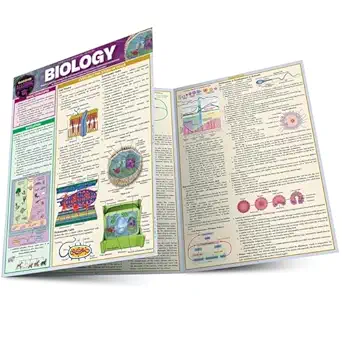 | Best Compact Reference for Quick Biology Facts | Format: Laminated sheet | Coverage: Fundamental biology topics | Size: Small, portable | VIEW LATEST PRICE | See Our Full Breakdown |
| Molecular Biology: A QuickStudy Laminated Reference Guide |  | Best Pocket Guide for Molecular Biology Essentials | Format: Laminated sheet | Coverage: Molecular biology basics | Size: Small and portable | VIEW LATEST PRICE | See Our Full Breakdown |
| A Student’s Guide to Natural Science |  | Best Introductory Text for Natural Sciences | Target Audience: High school and early college students | Content Focus: Natural science overview | Format: Paperback | VIEW LATEST PRICE | See Our Full Breakdown |
| Earth Science: A QuickStudy Laminated Reference Guide |  | Best Quick Reference for Earth Science | Format: Laminated sheet | Coverage: Earth science topics | Size: Small, portable | VIEW LATEST PRICE | See Our Full Breakdown |
| Science Essentials: Science Made Easy Boxed Set (6 Books) |  | Best for Young Learners Seeking Visual Engagement | Number of Books: 6 | Designed for: Children, Elementary level | Illustrated: Yes | VIEW LATEST PRICE | See Our Full Breakdown |
| Everything You Need to Ace Science in One Big Fat Notebook: The Complete Middle School Study Guide |  | Best for Middle School Self-Study and Review | Target Grade: Grades 6-8 | Coverage: All middle school science topics | Format: Printed book | VIEW LATEST PRICE | See Our Full Breakdown |
| Periodic Table Advanced: A QuickStudy Laminated Reference Guide |  | Best for Quick, Reliable Element Data | Format: Laminated reference guide | Coverage: All chemical elements | Durability: Laminated | VIEW LATEST PRICE | See Our Full Breakdown |
| High School Earth Science Workbook Grades 9-10: Geology, Earth Systems, Weather, Climate, Oceanography, and Space Science |  | Best for In-Depth High School Earth Science Practice | Grades: 9-10 | Content: Geology, Earth Systems, Weather, Climate, Oceanography, Space | Includes: Lesson notes, answer key | VIEW LATEST PRICE | See Our Full Breakdown |
| The Pocket Atlas of Human Anatomy, Revised Edition |  | Best for Portable, Visual Anatomy Reference | Size: Compact | Content: Human anatomy illustrations | Detail level: Concise | VIEW LATEST PRICE | See Our Full Breakdown |
| science reference books for student | Format | Coverage |
|---|---|---|
| Everything You Need to Ace Com | Paperback, full-color pages | Broad, general topics |
| Biology: A Quick-Study Laminat | Laminated sheet | Fundamental biology topics |
| Molecular Biology: A QuickStud | Laminated sheet | Molecular biology basics |
| A Student’s Guide to Natural S | Paperback | Multiple scientific disciplines |
| Earth Science: A QuickStudy La | Laminated sheet | Earth science topics |
| Science Essentials: Science Ma | — | — |
| Everything You Need to Ace Sci | Printed book | All middle school science topics |
| Periodic Table Advanced: A Qui | Laminated reference guide | All chemical elements |
| High School Earth Science Work | Printed workbook | — |
| The Pocket Atlas of Human Anat | Revised edition | — |
More Details on Our Top Picks
Everything You Need to Ace Computer Science and Coding in One Big Fat Notebook: The Complete Middle School Study Guide
This guide stands out for its comprehensive approach to middle school computer science and coding fundamentals, making it an ideal resource for students beginning their tech journey. Unlike the more concise laminated guides, it offers detailed explanations, practice questions, and tips that support deeper understanding. While it may lack the technical depth required for advanced learners, its breadth makes it perfect for those seeking a solid foundation. The inclusion of practice questions helps reinforce concepts, though it may not prepare students for highly specialized or advanced coursework. Compared with specialized references, this guide prioritizes broad coverage, which can be both an advantage and a drawback depending on the learner’s needs.
Pros:- Extensive coverage of key computer science topics
- Includes practice questions to reinforce learning
- Clear, student-friendly explanations
Cons:- Lacks detailed technical specifications
- May be too basic for advanced or college-level learners
Best for: Middle school students new to computer science looking for a comprehensive, beginner-friendly resource
Not ideal for: Advanced students or those needing in-depth technical details for college-level coursework
- Target Audience:Middle school students
- Content Focus:Computer science and coding fundamentals
- Format:Paperback, full-color pages
- Practice Questions:Included
- Coverage:Broad, general topics
- Difficulty Level:Beginner
Our verdict“This guide is best suited for middle school students seeking a broad, accessible introduction to computer science and coding.”
Biology: A Quick-Study Laminated Reference Guide
This laminated guide excels in providing a portable, quick-reference overview of fundamental biology concepts, making it a handy tool for students and teachers alike. Compared with the more detailed book A Student’s Guide to Natural Science, this guide offers less explanatory depth but is more convenient for on-the-fly review. Its laminated, durable design makes it ideal for lab work or field study, where portability matters most. However, its limited coverage means it’s not suitable for in-depth study or advanced coursework, and the absence of detailed explanations could leave learners seeking more context. This pick makes sense for those needing a quick, reliable reference rather than comprehensive understanding.
Pros:- Laminated and durable for field use
- Concise overview of core biology concepts
- Highly portable and easy to reference
Cons:- Limited explanations for complex topics
- Does not cover advanced biology topics
- No supplementary online resources
Best for: Students who need a compact, durable biology reference for quick review and study on the go
Not ideal for: Students requiring detailed explanations or in-depth learning for advanced biology classes
- Format:Laminated sheet
- Coverage:Fundamental biology topics
- Size:Small, portable
- Durability:High
- Intended Use:Quick review and field study
- Complexity:Basic to intermediate
Our verdict“This laminated guide is ideal for quick reference and portable study sessions for basic biology concepts.”
Molecular Biology: A QuickStudy Laminated Reference Guide
This laminated reference provides a focused overview of molecular biology, making it suitable for students and professionals needing quick access to core concepts. When compared to the broader Biology: A Quick-Study Laminated Reference Guide, this guide offers more depth in molecular topics but remains limited in scope. It’s particularly useful for quick review before exams or lab work, thanks to its durable, portable design. However, its brevity means it omits detailed explanations and complex topics, which might frustrate those seeking comprehensive understanding. If you prefer a broader overview, the general biology guide offers more context, but for molecular specifics, this is the clear choice.
Pros:- Laminated for durability and portability
- Concise, focused content on molecular biology
- Easy to understand, quick reference
Cons:- Limited detail on advanced topics
- Lacks comprehensive explanations
Best for: Students or professionals needing a portable, quick reference for molecular biology concepts
Not ideal for: Learners requiring in-depth explanations or extensive coverage of molecular biology
- Format:Laminated sheet
- Coverage:Molecular biology basics
- Size:Small and portable
- Durability:High
- Intended Use:Quick reference in lab or study
- Detail Level:Basic to intermediate
Our verdict“This guide is perfect for quick, on-the-go review of core molecular biology concepts but isn’t suitable for detailed study.”
A Student’s Guide to Natural Science
This book offers a broad overview of various natural science disciplines, making it ideal for students just beginning their exploration of science. Compared with the laminated guides, it provides more context and explanation, helping students understand how different fields connect. While it covers key concepts well, it does not include detailed scientific data or advanced topics, which limits its use for more experienced learners. Its strengths lie in clarity and foundational coverage, but those seeking in-depth or specialized knowledge should look elsewhere. This guide mainly supports students who need a straightforward introduction to natural sciences and foundational understanding.
Pros:- Comprehensive overview of natural science disciplines
- Clear explanations suitable for beginners
- Helpful for navigating early science education
Cons:- Lacks detailed scientific data
- Too basic for advanced students
- Limited coverage of specialized topics
Best for: High school or early college students new to natural science subjects seeking an accessible overview
Not ideal for: Students requiring detailed scientific data or advanced topics for coursework or research
- Target Audience:High school and early college students
- Content Focus:Natural science overview
- Format:Paperback
- Depth:Introductory
- Coverage:Multiple scientific disciplines
- Level:Beginner
Our verdict“This book makes sense for beginners needing a broad, understandable introduction to natural sciences but is not for in-depth study.”
Earth Science: A QuickStudy Laminated Reference Guide
This laminated guide provides a succinct overview of Earth science topics, making it a practical tool for quick study sessions or fieldwork. It compares favorably with broader books like A Student’s Guide to Natural Science by offering more specific focus on Earth science, though it sacrifices depth for portability. Its laminated construction ensures durability, making it suitable for outdoor or lab environments. However, the limited detail and absence of supplementary materials mean it’s best for quick review rather than comprehensive understanding. For students or enthusiasts who need a portable, reliable reference on Earth science, this guide hits the mark, but those seeking detailed explanations will need additional resources.
Pros:- Laminated and durable for field use
- Concise overview of key Earth science topics
- Portable and easy to carry
Cons:- Limited in-depth detail
- No supplementary online resources
- Not suitable for advanced study
Best for: Students or enthusiasts needing a portable, durable quick-reference guide to Earth science concepts
Not ideal for: Learners requiring detailed, in-depth study or advanced Earth science resources
- Format:Laminated sheet
- Coverage:Earth science topics
- Size:Small, portable
- Durability:High
- Intended Use:Quick review and field study
- Detail Level:Basic to intermediate
Our verdict“This laminated guide is best for quick, portable review of fundamental Earth science concepts and is ideal for on-the-go study sessions.”
Science Essentials: Science Made Easy Boxed Set (6 Books)
This boxed set stands out for its appealing illustrations and simplified explanations, making it ideal for introducing science to elementary students. Compared to the more detailed High School Earth Science Workbook, it sacrifices depth for accessibility, which is perfect for younger audiences but less suited for older or advanced learners. The set’s multiple titles cover a broad range of topics, fostering a well-rounded foundation. However, it lacks specific age guidance and doesn’t delve deeply into complex concepts, which may leave older or more curious students wanting more detail. For parents or teachers eager to spark early interest without overwhelming, this set offers a colorful, engaging starting point.
Pros:- Includes six different books providing broad foundational coverage
- Illustrated content helps keep young learners engaged
- Simplifies complex science ideas for easier understanding
Cons:- No specific age range limits its clarity for target users
- Limited content depth may not satisfy more advanced students
Best for: Younger students or beginners who need visual, simplified science concepts to build initial understanding
Not ideal for: Middle or high school students seeking in-depth science explanations or advanced content
- Number of Books:6
- Designed for:Children, Elementary level
- Illustrated:Yes
- Content Focus:Basic science concepts
- Age Range:Not specified
Our verdict“This set is ideal for early learners who benefit from visual aids and simplified explanations to ignite interest in science.”
Everything You Need to Ace Science in One Big Fat Notebook: The Complete Middle School Study Guide
This guide makes the list for its comprehensive coverage of middle school science, similar to the High School Earth Science Workbook, but tailored for younger students. It offers clear, engaging explanations that foster understanding and retention, making it suitable for self-study or review before exams. Compared with the Periodic Table Advanced reference, it provides broader context and foundational knowledge, though it lacks the quick-reference format and detailed data of a laminated guide. While it covers a wide range of topics, some readers may find its explanations too simplified for advanced learners. For students needing a one-stop resource to reinforce classroom lessons, this book is a practical choice.
Pros:- Covers all key middle school science topics comprehensively
- Engaging, easy-to-understand language suitable for self-paced learning
- Helps improve understanding and confidence in science classes
Cons:- Lacks specific features or digital editions for interactive learning
- Content may be too basic for students seeking advanced material
Best for: Middle school students preparing for exams or seeking supplemental review material
Not ideal for: Students looking for detailed, technical scientific data or advanced content beyond middle school level
- Target Grade:Grades 6-8
- Coverage:All middle school science topics
- Format:Printed book
- Engagement:Yes
- Extras:None
Our verdict“This guide is best suited for middle schoolers who need a clear, engaging review resource to boost their science grades.”
Periodic Table Advanced: A QuickStudy Laminated Reference Guide
This laminated reference guide excels in providing rapid access to detailed element information, making it a valuable supplement alongside the High School Earth Science Workbook or other more comprehensive texts. Its durability and concise data make it stand out for students or professionals who need quick facts rather than in-depth explanations. Unlike the Science Essentials set, which aims to introduce young learners to fundamental concepts, this guide targets those who require immediate, precise data about elements, such as chemists or advanced students. Its limited explanations and lack of digital options mean it’s less suitable for beginners or those seeking conceptual understanding. This guide is best for quick reference during lab work or review sessions.
Pros:- Laminated for durability and frequent use
- Concise, accurate data on element properties
- Portable and easy to handle during experiments
Cons:- Limited explanations make it unsuitable for beginners
- No digital or interactive features for extended learning
Best for: Students or professionals needing immediate, reliable element data for study or lab work
Not ideal for: Beginners or students seeking detailed explanations of atomic theory or periodic trends
- Format:Laminated reference guide
- Coverage:All chemical elements
- Durability:Laminated
- Intended Users:Students, professionals
- Digital:No
Our verdict“Ideal for quick, on-the-spot reference of the periodic table, especially in lab or review settings.”
High School Earth Science Workbook Grades 9-10: Geology, Earth Systems, Weather, Climate, Oceanography, and Space Science
This workbook offers comprehensive coverage of earth science topics, similar to the Periodical Table Advanced but with a broader scope suited for high school learners. Its inclusion of lesson notes and an answer key makes it a strong tool for independent study or classroom use. While it provides detailed practice opportunities, it lacks the digital interactivity or multimedia content that some modern students might prefer. The absence of user ratings or price info also makes it harder to gauge its value compared with other resources. Still, for students who want a structured, thorough review with ample exercises, this workbook fills a key role.
Pros:- Covers all major earth science topics comprehensively
- Includes lesson notes and an answer key
- Designed for independent study and review
Cons:- No digital or interactive features to enhance engagement
- Limited information on content depth or user ratings
Best for: High school students needing structured practice and review in earth science
Not ideal for: Younger students or those seeking digital or multimedia learning tools
- Grades:9-10
- Content:Geology, Earth Systems, Weather, Climate, Oceanography, Space
- Includes:Lesson notes, answer key
- Format:Printed workbook
- Interactivity:None
Our verdict“This workbook is well suited for high school students who prefer structured practice and clear explanations for earth science topics.”
The Pocket Atlas of Human Anatomy, Revised Edition
This compact atlas is particularly useful for students and professionals who need quick access to human anatomy visuals, such as those in physical therapy or medicine, similar to the Periodic Table Advanced but with a focus on anatomy rather than elements. Its size makes it easy to carry, yet it offers detailed illustrations and concise descriptions that support rapid understanding. Unlike the Science Essentials set, which simplifies science broadly, this atlas zeroes in on anatomy, making it ideal for clinical or academic settings requiring quick consultation. Its limited textual explanations and focus on illustrations mean it’s less suitable for comprehensive study or beginners seeking in-depth textual content. It’s best as a portable, visual reference for specific anatomical questions.
Pros:- Compact size for portability
- Clear, detailed illustrations
- Concise descriptions for quick reference
Cons:- Lacks detailed textual explanations for in-depth learning
- Limited to illustrations, missing advanced topics
Best for: Students or professionals in anatomy, physical therapy, or medicine needing portable visual reference
Not ideal for: Learners seeking detailed textual explanations or comprehensive anatomy courses
- Size:Compact
- Content:Human anatomy illustrations
- Detail level:Concise
- Format:Revised edition
- Intended users:Students, professionals
Our verdict“Ideal for quick, portable visual reference for anatomy, especially in clinical or practical settings.”

How We Picked
These books were evaluated based on their clarity, accuracy, and relevance to students’ learning levels. I prioritized content that balances depth with accessibility, ensuring that both middle and high school students find them useful. Usability factors like layout, visual aids, and durability were also considered, especially for quick-reference guides. Price was a factor, but quality and comprehensiveness took precedence. The ranking reflects which books serve as versatile, reliable resources for various study needs and learning styles.
Factors to Consider When Choosing Science Reference Books For Students
When choosing a science reference book for students, consider several key factors to ensure you pick the right fit. Understanding your specific learning goals, the depth of information needed, and how you prefer to study can help narrow your options. The following factors will guide you toward the best choice for your needs.
Level of Detail and Depth
Decide whether a broad overview or detailed explanations suit your current knowledge. Quick-reference laminated guides are perfect for review and quick facts, while comprehensive books like the Big Fat Notebooks provide in-depth coverage that supports deeper understanding. Avoid overly technical texts if you’re a beginner, but don’t settle for superficial content if you need a solid foundation.
Format and Usability
Consider how you’ll use the book—do you prefer a portable laminated guide or a full textbook? Laminated guides are durable and easy to carry but often lack detailed explanations. Full books may be bulkier but offer richer context and visuals. Think about your study environment and how quickly you need to access information.
Visual Aids and Layout
Clear diagrams, charts, and highlighted key points can make complex concepts more understandable. Well-designed books reduce cognitive load and facilitate quick review. Beware of cluttered pages or overly dense text, which can hinder learning, especially for visual learners.
Price and Value
Quality books range from budget-friendly laminated guides to premium comprehensive texts. Consider whether the investment aligns with your study goals. Cheaper options may suffice for quick review, but more expensive books often provide better explanations and visuals for sustained learning.
Educational Level and Scope
Select a book that matches your current education level. Middle school guides differ significantly from high school or advanced college texts. Ensure the scope and terminology align with your coursework to avoid frustration or gaps in understanding.
Frequently Asked Questions
Should I choose a laminated quick-reference guide or a detailed textbook?
The choice depends on your study style and needs. Laminated guides are excellent for quick review, portability, and durability, making them ideal for on-the-go studying or last-minute reference. However, they often lack detailed explanations, which are necessary for mastering complex concepts. Detailed textbooks or comprehensive guides are better if you’re seeking a deeper understanding and are willing to invest more time, but they can be bulkier and less convenient for quick reviews.
Are visual aids important in a science reference book?
Absolutely. Visual aids like diagrams, charts, and infographics help clarify complex ideas and cater to visual learners. They can make abstract concepts more concrete and improve retention. When choosing a book, look for clear, well-designed visuals that complement the text, especially if you struggle with textual explanations alone.
Can a single reference book cover multiple science topics effectively?
Some books aim to provide a broad overview of multiple science disciplines, which is helpful for general reference or early high school levels. However, comprehensive coverage often comes at the expense of depth. For specialized or advanced studies, consider subject-specific guides or textbooks. Balance your needs with the scope and detail offered by the book.
Is a more expensive book always better for students?
Not necessarily. While higher-priced books often feature better visuals, more comprehensive content, and durable materials, budget options can still offer valuable quick facts and foundational knowledge. Your choice should depend on your learning goals—if you need in-depth understanding or long-term resource, investing more might be justified. For casual or review purposes, a less expensive guide may suffice.
How important is the educational level stated on the book?
Matching the book’s level to your current coursework prevents frustration and enhances learning. A guide meant for middle school students might lack the depth needed for high school, while advanced texts could be overwhelming for beginners. Always check the recommended grade or level to ensure the content aligns with your current understanding and curriculum.
Conclusion
For middle and high school students seeking a comprehensive, user-friendly resource, Everything You Need to Ace Science in One Big Fat Notebook offers a balanced mix of explanations and visuals. Those prioritizing quick review and portability will appreciate laminated guides like Biology: A Quick-Study Laminated Reference Guide. Budget-conscious learners should focus on concise, easy-to-carry options, while advanced students or those needing in-depth study might prefer more detailed textbooks. For beginners, starting with simplified guides ensures foundational understanding, whereas experienced students will benefit from comprehensive references aligned with their coursework. Carefully matching your study style and goals will help you select the best science reference book for your needs in 2026.
As an affiliate, we earn on qualifying purchases.Halloween Picks
halloween