
When comparing kids’ science experiment kits, the biggest tradeoff is usually between experiment volume and experiment quality — some kits pack in 200+ activities while others offer fewer, better-designed projects with clearer instructions. My top pick is the National Geographic Amazing Chemistry Set with 100+ Experiments, which balances a huge activity count with real chemistry concepts and reliable instruction quality. The Doctor Jupiter Ultimate Science Kit stands out for younger siblings and guided parent-child time, while the UNGLINGA 272 Experiments Kit wins on raw value for families who want maximum experiments per dollar. Age fit, mess level, and whether supplies are refillable all separate these options more than price does. Read on for the full breakdown of all 14 kits and which one fits your child best.

Prime made for students and young adults
- Fast, free delivery for dorm and study essentials
- Prime Video and Amazon Music included
- Member-only deals
Key Takeaways
- The National Geographic Amazing Chemistry Set earned best overall because its 100+ experiments are individually well-designed and documented, while higher-count kits like the UNGLINGA 272 split quality across more, thinner activities.
- Raw experiment count is misleading: kits advertising 150-272 experiments often count variations of the same reaction, so a 45-100 experiment kit from National Geographic frequently delivers more genuinely distinct activities.
- Age labeling matters more here than in most toy categories — the Melican 60+ kit genuinely works for ages 4-8, while chemistry sets marked 8+ involve real reagents, heat, or small parts that frustrate younger kids.
- The National Geographic brand dominates this lineup (6 of 14 picks) because of consistently better instruction booklets and glossary content, but its kits cost more per experiment than UNGLINGA alternatives.
- Messiness is the most common parent complaint: chemistry kits like the Gross Science Kit and Magic Chemistry Set are the most engaging but require the most supervision and cleanup planning.
| National Geographic Science Magic Kit for Kids with 100+ Experiments and Tricks |  | Best Overall | Number of Experiments: 100+ experiments and magic tricks | Recommended Age: 8 years and up | Brand: National Geographic | VIEW LATEST PRICE | See Our Full Breakdown |
| Doctor Jupiter Ultimate Science Experiments Kit for Kids Ages 8+ |  | Best Value | Number of Experiments: 135+ | Bonus Experiments: 90+ with household items | Recommended Age: 8 years and up | VIEW LATEST PRICE | See Our Full Breakdown |
| National Geographic Gross Science Kit with 45 Experiments for Kids 8-12 |  | Best for Reluctant Scientists | Brand: National Geographic (Blue Marble) | Age Range: 8 years and up | Number of Experiments: 45 gross-themed experiments | VIEW LATEST PRICE | See Our Full Breakdown |
| UNGILINGA 40+ Experiments Science Kit for Kids Chemistry Set STEM Toy |  | Best Budget Starter Kit | Number of Experiments: Over 40 | Suitable Age: Kids (young scientists) | Materials Included: All necessary materials, excluding some household items | VIEW LATEST PRICE | See Our Full Breakdown |
| National Geographic Amazing Chemistry Set with 100+ Experiments for Ages 8-12 |  | Best Premium Pick | Brand: National Geographic (Blue Marble) | Age Range: 8 years and up | Number of Experiments: 100+ chemistry experiments | VIEW LATEST PRICE | See Our Full Breakdown |
| National Geographic Junior Chemistry Set with 50 Experiments for Kids |  | Best for Preschool Scientists | Age Range: 4+ | Number of Experiments: 50 | Tools Included: 20+ | VIEW LATEST PRICE | See Our Full Breakdown |
| Melican 60+ Science Experiment Kit for Kids Ages 4-8+ |  | Best Value Bundle | Brand: Melican | Age Range: 4 years and up | Number of Experiments: 60+ | VIEW LATEST PRICE | See Our Full Breakdown |
| National Geographic Earth Science Kit with 100+ Activities for Kids 8-12 | 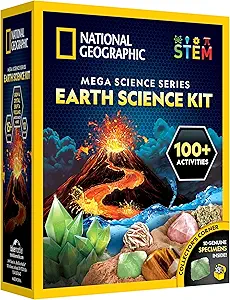 | Best for Earth Science Fans | Brand: Blue Marble (National Geographic) | Age Range: 8 years and up | Number of Experiments: 100+ | VIEW LATEST PRICE | See Our Full Breakdown |
| UNGILINGA 150 Experiments Science Kit for Kids STEM Educational Toys | 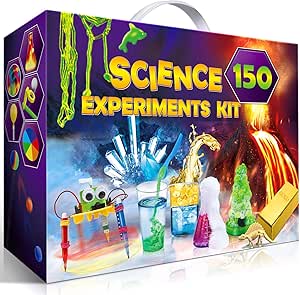 | Most Experiments Per Box | Brand: UNGILINGA | Age Range: 8 years and up | Number of Experiments: 150 | VIEW LATEST PRICE | See Our Full Breakdown |
| National Geographic Magic Chemistry Set with 10 Tricks for Kids Ages 8-12 |  | Best Hook for Reluctant Scientists | Brand: National Geographic | Age Range: 8-12 years | Number of Experiments: 10 magic tricks | VIEW LATEST PRICE | See Our Full Breakdown |
| National Geographic Chemistry Set with 45 Experiments for Kids 8-12 |  | Best Brand-Backed Pick | Number of Experiments: 45 | Recommended Age: 8-12 years | Brand: National Geographic | VIEW LATEST PRICE | See Our Full Breakdown |
| UNGLINGA 272 Experiments Science Kit for Kids, Chemistry Set |  | Best Value Per Experiment | Number of Experiments: 272 | Includes: Test tube, measuring spoon, beaker, conical flask | Recommended Age: Not specified | VIEW LATEST PRICE | See Our Full Breakdown |
| Science Kit for Kids – 80 Science Lab Experiments with Scientist Role Play |  | Best for Younger Scientists | Number of Experiments: 80 | Age Range: 6+ years | Includes: Goggles, gloves, chemical materials, petri dishes, test tubes, measuring cups, droppers, balloons, pigments, guidance cards | VIEW LATEST PRICE | See Our Full Breakdown |
| STEM Electric Circuit Kit for Kids and Teens – Light Bulb Experiments and Fruit Energy Projects |  | Best for Physics-Minded Builders | Number of Experiments: 8 | Age Range: 8+ | Includes: Circuit Book | VIEW LATEST PRICE | See Our Full Breakdown |
| kids’ science experiment kit | Number of Experiments | Brand | Age Range | Instruction Style |
|---|---|---|---|---|
| National Geographic Science Ma | 100+ experiments and magic tricks | National Geographic | — | — |
| Doctor Jupiter Ultimate Scienc | 135+ | — | — | Easy-to-follow, parent-child friendly |
| National Geographic Gross Scie | 45 gross-themed experiments | National Geographic (Blue Marble) | 8 years and up | — |
| UNGILINGA 40+ Experiments Scie | Over 40 | — | — | Easy-to-follow, child-friendly |
| National Geographic Amazing Ch | 100+ chemistry experiments | National Geographic (Blue Marble) | 8 years and up | — |
| National Geographic Junior Che | 50 | National Geographic | 4+ | Illustrated instructions |
| Melican 60+ Science Experiment | 60+ | Melican | 4 years and up | — |
| National Geographic Earth Scie | 100+ | Blue Marble (National Geographic) | 8 years and up | — |
| UNGILINGA 150 Experiments Scie | 150 | UNGILINGA | 8 years and up | Illustrated, easy-to-follow manual |
| National Geographic Magic Chem | 10 magic tricks | National Geographic | 8-12 years | — |
| National Geographic Chemistry | 45 | National Geographic | — | Easy-to-follow illustrated guide |
| UNGLINGA 272 Experiments Scien | 272 | — | — | Easy-to-follow instructions |
| Science Kit for Kids | 80 | — | 6+ years | Guidance cards |
| STEM Electric Circuit Kit for | 8 | — | 8+ | Detailed guide for guided learning |
More Details on Our Top Picks
National Geographic Science Magic Kit for Kids with 100+ Experiments and Tricks
Among kits promising quantity, this one earns the top spot because it solves the motivation problem that kills most science kits: kids want to keep going. By framing chemistry as magic tricks, it turns learning into performance — a child can show off a trick to family and accidentally absorb the science behind it. Compared with the National Geographic Amazing Chemistry Set, which has a similar experiment count but a more lab-like structure, this kit is better at holding the attention of kids who claim science is boring.
The tradeoff is real, though. The magic framing means some experiments prioritize spectacle over depth, and materials for 100+ activities inevitably run thin on repeat favorites. Still, for pure engagement-per-dollar, it outperforms everything else in this lineup.
Pros:- Over 100 experiments double as magic tricks kids can perform
- Strong motivator for kids who resist traditional science activities
- Award-winning design from a trusted educational brand
- Wide age appeal across the 8-12 range
Cons:- Spectacle sometimes comes at the expense of scientific depth
- Consumables run out quickly on favorite repeat experiments
- Documentation on exact included materials is thin
Best for: Parents of 8-12 year olds who want a kit that entertains skeptical or easily bored kids while teaching genuine chemistry
Not ideal for: Families wanting deep, textbook-style chemistry instruction — the magic framing favors showmanship over rigorous science
- Number of Experiments:100+ experiments and magic tricks
- Recommended Age:8 years and up
- Brand:National Geographic
- Focus:Chemistry and STEM through magic tricks
- Format:Hands-on kit with trick-based experiments
- Recognition:Award-winning product
Our verdict“The safest first science kit for most families — it wins on engagement where other high-count kits win on structure.”
Doctor Jupiter Ultimate Science Experiments Kit for Kids Ages 8+
Value in science kits isn’t just experiment count — it’s experiments that actually work. This kit pairs its 135+ activities with 90+ bonus experiments using household items, effectively doubling the lifespan of the purchase compared with the UNGLINGA 40+ Experiments Kit, which needs resupplying much sooner. The leak-proof chemical bottles are a quiet advantage: less waste, less mess, and safer storage between sessions.
The instruction quality is what separates it from cheaper rivals like the Melican kit, with steps a child and parent can genuinely follow together. The catch? With so many activities, a few are filler — quick color changes that take two minutes and teach little. And supervision is non-negotiable, since the chemicals are real. For budget-conscious buyers, the total hours of learning per dollar is still the best in this batch.
Pros:- 135+ experiments plus 90+ bonus activities extends usable life
- Chemicals come in leak-proof bottles for safer storage
- Instructions are genuinely followable for kids and parents together
- Strong variety from glowing water to underwater volcanoes
Cons:- Some experiments are quick filler with limited educational payoff
- Adult supervision required for all chemical handling
- Many activities need additional household items
Best for: Budget-minded families who want maximum experiment variety and parent-child bonding time per dollar spent
Not ideal for: Parents looking for a fully independent activity for kids — chemicals require consistent adult supervision
- Number of Experiments:135+
- Bonus Experiments:90+ with household items
- Recommended Age:8 years and up
- Materials:Chemical materials in leak-proof bottles
- Focus:Chemistry and STEM curiosity
- Instruction Style:Easy-to-follow, parent-child friendly
- Supervision:Adult supervision required
Our verdict“The most total science per dollar in the lineup, provided a parent is willing to participate.”
National Geographic Gross Science Kit with 45 Experiments for Kids 8-12
Where the Science Magic Kit wins kids over with spectacle, this one hooks them with disgust — and for a certain kind of 8-to-10-year-old, boiling boogers beat any card trick. What surprises me about this pick is that the grossness isn’t shallow: experiments genuinely cover polymers, chemical reactions, and pH science, giving it more conceptual range than its gag-gift appearance suggests.
The tradeoff versus the Amazing Chemistry Set from the same brand is straightforward: fewer experiments (45 versus 100+), and far more cleanup. Glowing worms and bubbling concoctions get messy, so a protected surface is not optional. It also skews younger — a 12-year-old may find the gross-out humor babyish. But as a gateway kit for a kid who has rejected every educational toy so far, it does a job nothing else in this roundup matches.
Pros:- Gross theme is uniquely effective at converting science-averse kids
- Covers real concepts: polymers, chemical reactions, pH science
- Illustrated kid-friendly instructions support independent engagement
- Award-winning design from National Geographic
Cons:- Noticeably messy experiments demand protected surfaces and cleanup
- Only 45 experiments versus 100+ in sibling kits
- Theme may age out quickly for kids approaching 12
Best for: Kids aged 8-10 who have shown no interest in science until gross-out humor entered the picture
Not ideal for: Tidy households and older kids — the mess is significant and 12-year-olds may outgrow the humor
- Brand:National Geographic (Blue Marble)
- Age Range:8 years and up
- Number of Experiments:45 gross-themed experiments
- Educational Focus:STEM — polymers, chemical reactions, pH science
- Model Number:NGMEGAGRS
- Instruction Format:Illustrated, kid-friendly manual
- Recognition:Award-winning design
Our verdict“A specialist tool: the kit to buy when the goal is getting a resistant kid interested at all.”
UNGILINGA 40+ Experiments Science Kit for Kids Chemistry Set STEM Toy
Not every family wants to spend flagship-kit money to find out whether their kid even likes chemistry. This kit fills that gap: 40+ experiments with all core materials included and genuinely child-friendly instructions, at a price well below the National Geographic options. Projects like bouncy balls and lava lamps are the proven crowd-pleasers of kids’ chemistry — low risk, high delight.
Be clear-eyed about what the lower price buys. Compared with the Doctor Jupiter Ultimate Kit, the experiment count is a third the size, and unlike the Gross Science Kit’s illustrated manual, the documentation here is functional rather than inspiring. Some activities need household items not in the box, which can stall momentum mid-session. But as a low-commitment entry point or a birthday gift that won’t hurt if it flops, it’s the rational choice over its bigger siblings.
Pros:- Low price point makes it a low-risk first chemistry purchase
- All core materials included for immediate start
- Clear instructions kids can follow with minimal help
- Crowd-pleaser projects like bouncy balls and lava lamps
Cons:- Small experiment count compared to 100+ kits in the same roundup
- Some required household items aren’t included
- Instructions lack the polish and illustrations of premium rivals
Best for: Gift-givers and parents testing the waters who want an affordable first chemistry kit before committing to a larger set
Not ideal for: Kids already hooked on science — they’ll exhaust 40 experiments quickly and want the depth of the 100+ kits
- Number of Experiments:Over 40
- Suitable Age:Kids (young scientists)
- Materials Included:All necessary materials, excluding some household items
- Focus:Chemistry and STEM fundamentals
- Signature Projects:Bouncy balls, lava lamps
- Instruction Style:Easy-to-follow, child-friendly
- Supervision:Adult supervision recommended for younger children
Our verdict“A sensible toe-in-the-water purchase — buy it to discover interest, not to sustain it.”
National Geographic Amazing Chemistry Set with 100+ Experiments for Ages 8-12
This is the kit for families who want chemistry to feel like chemistry. Unlike the Science Magic Kit’s trick-based framing, this set leans into the lab experience: real test tubes, beakers, and crystal-growing projects that give kids actual tools rather than single-use packets. That distinction matters for a child who is already curious — the equipment invites repeat experimentation rather than one-and-done activities.
The crystal growing alone justifies its premium positioning, since it teaches patience and observation over days, not minutes — something no other kit in this batch does as well. The tradeoffs mirror its siblings: adult supervision is required throughout, some experiments need household items, and the higher price stings if your child ends up only doing ten experiments. For a committed young scientist, though, this is the upgrade that actually earns its cost.
Pros:- Includes real scientific tools: test tubes, beakers, and lab equipment
- Crystal growing teaches multi-day patience and observation
- 100+ experiments plus bonus activities with household items
- Award-winning National Geographic pedigree
Cons:- Higher price than comparable high-count kits
- Adult supervision required for all chemical experiments
- Some activities depend on additional household items
Best for: Families with an already-interested young scientist who wants real lab equipment and multi-day projects like crystal growing
Not ideal for: Casual buyers unsure of their child’s interest — the premium price is wasted if only a handful of experiments get used
- Brand:National Geographic (Blue Marble)
- Age Range:8 years and up
- Number of Experiments:100+ chemistry experiments
- Included Tools:Test tubes, beakers, and real lab equipment
- Signature Projects:Crystal growing, color-changing solutions, glowing test tubes
- Bonus Content:Bonus experiments using household items
- Model Number:NGMEGACHEMAR
- Supervision:Adult supervision required
Our verdict“The choice for a kid who has outgrown novelty kits and wants to feel like a real chemist.”
National Geographic Junior Chemistry Set with 50 Experiments for Kids
Most kits in this roundup start at age 8, which makes this Junior Chemistry Set the rare option built for the youngest experimenters. With 50 experiments designed around age 4 and up, it trades complex reactions for safe, satisfying classics like baking soda volcanoes that a four-year-old can actually do. Compared with the Melican 60+ kit, which targets a similar age band, this set benefits from National Geographic’s Toy of the Year pedigree and more polished illustrated instructions. The tradeoff is real, though: because experiments lean on household staples, you’ll be raiding your pantry regularly, and an adult needs to be hands-on throughout.
Pros:- One of the only kits in this roundup designed for children as young as 4
- 50 experiments provide plenty of variety for short preschool attention spans
- 20+ durable, child-safe lab tools sized for small hands
- Award-winning brand with genuinely clear illustrated instructions
Cons:- Heavy reliance on household items means frequent supply runs
- Requires near-constant adult supervision and assistance
Best for: Parents of 4-to-6-year-olds who want a gentle, safe introduction to chemistry before age-8 kits become appropriate
Not ideal for: Independent older kids (8+) who will find these experiments too simple — the Earth Science Kit offers more depth
- Age Range:4+
- Number of Experiments:50
- Tools Included:20+
- Instruction Style:Illustrated instructions
- Experiment Materials:Common household items
- Awards:Toy of the Year Award
- Brand:National Geographic
Our verdict“The clear first pick for families whose scientist is too young for the 8+ kits that dominate this category.”
Melican 60+ Science Experiment Kit for Kids Ages 4-8+
The Melican kit wins on generosity: 60+ experiments with materials and safety goggles included in the box, so you’re not hunting for vinegar on day one like you would with the National Geographic Junior set. Its mix of volcanoes, dinosaur egg digging, and chemical reactions keeps the experience varied enough to feel like several kits in one. The compromises are typical of budget bundles — instructions are less refined than Blue Marble’s learning guides, and some activities are one-and-done rather than repeatable. Still, for gifting or splitting between siblings, the sheer quantity per dollar is hard to beat in this lineup.
Pros:- Over 60 experiments spanning chemistry, digging, and geology themes
- Safety goggles and materials included — minimal shopping required
- Mix of activity types holds attention better than single-theme kits
- Broad 4-8+ age range works for siblings of different ages
Cons:- Instruction manual lacks the depth and clarity of premium competitors
- Some activities still require adult supervision and setup
- Brand is less established, so quality control is less predictable
Best for: Budget-conscious gift-givers and families with multiple kids who want maximum experiments without buying add-on supplies
Not ideal for: Buyers who prioritize polished educational materials — the manual is thinner than National Geographic’s guides
- Brand:Melican
- Age Range:4 years and up
- Number of Experiments:60+
- Included Components:Materials, safety goggles, manual
- Model Number:SYTZ2
- UPC:850060965210
- Category:Toys & Games
Our verdict“A strong quantity-over-polish pick that makes the most sense when variety and price matter more than brand-name curriculum.”
National Geographic Earth Science Kit with 100+ Activities for Kids 8-12
Where most kits here are chemistry-first, this one goes geology, weather, and earth sciences — crystal growing, volcano eruptions, and geologic digs that produce keepsakes kids actually keep. With 100+ activities and a full-color learning guide that explains the science behind each one, it offers more genuine educational depth than the Melican bundle, whose manual is comparatively bare. Compared with the UNGILINGA 150-experiment kit, you get fewer total experiments but far better thematic coherence — everything connects to real Earth science rather than scattered demos. Note that some activities are genuinely involved; this isn’t a hand-it-over-and-walk-away kit.
Pros:- 100+ activities focused on earth science rather than generic chemistry
- Detailed full-color learning guide adds real educational value
- Crystals and dig finds become lasting keepsakes, unlike one-off reactions
- Award-winning kit backed by Blue Marble’s quality service
Cons:- Some experiments are multi-day projects requiring patience and supervision
- Too advanced for children younger than 8
- Sparse safety guidance compared with dedicated chemistry sets
Best for: Kids 8-12 who love rocks, crystals, and volcanoes and parents who want a guide that teaches, not just entertains
Not ideal for: Younger siblings under 8 — several activities are too advanced, and the Junior Chemistry Set fits them better
- Brand:Blue Marble (National Geographic)
- Age Range:8 years and up
- Number of Experiments:100+
- Focus Area:Earth science (STEM)
- Included Components:100+ experiments & activities, learning guide
- UPC:816448027611
- Manufacturer:JMW Sales, Inc.
- Warranty:Backed by quality service
Our verdict“The go-to choice for the kid who collects rocks and asks how mountains form — depth beats raw experiment count here.”
UNGILINGA 150 Experiments Science Kit for Kids STEM Educational Toys
If sheer experiment count is the goal, this kit’s 150 activities outpace everything except its bigger sibling, the UNGLINGA 272-experiment set. The breadth spans chemistry, physics, and earth science, making it a better all-rounder than the Earth Science Kit’s single-discipline focus — though that breadth comes at the cost of thematic depth. The illustrated manual keeps things accessible for independent 8-year-olds, and the inclusion of tools and materials means fewer supply runs than the National Geographic Junior set demands. The catch: some experiments still need household items, and quality varies across such a large activity list, so a few will be duds.
Pros:- 150 experiments — among the highest counts in this roundup
- Covers three disciplines: chemistry, physics, and earth science
- Illustrated manual supports independent experimentation
- Kid-safe tools and most materials included in the box
Cons:- Quality is uneven across such a large experiment list
- Some experiments still require supplemental household items
- Breadth comes at the expense of the deeper learning guides competitors offer
Best for: Kids 8+ who burn through kits quickly and parents who want weeks of activities rather than a weekend’s worth
Not ideal for: Children under 8, and buyers who prefer curated, themed experiences over maximum quantity
- Brand:UNGILINGA
- Age Range:8 years and up
- Number of Experiments:150
- Disciplines Covered:Chemistry, physics, earth science
- Included Components:Experiments, tools, and materials
- Instruction Style:Illustrated, easy-to-follow manual
- Recommended Uses:Birthdays, holidays, school breaks, weekend fun
Our verdict“The marathon runner’s pick — best for kids who want volume and variety over a polished single-theme experience.”
National Geographic Magic Chemistry Set with 10 Tricks for Kids Ages 8-12
This kit solves a specific problem the others don’t address: the kid who claims to hate science. Framing 10 chemistry experiments as magic tricks — floating coins, color-changing water — with a wand and gloves included, it turns reactions into a performance kids can show off to family. Compared with the National Geographic Science Magic Kit’s 100+ experiments, this is the smaller, cheaper entry point to the same magic-meets-science concept. The obvious tradeoff is longevity: 10 tricks run out fast, and unlike the UNGILINGA 150 kit, there’s no deep bench of activities afterward. Think of it as a gateway kit rather than a standalone library.
Pros:- Magic framing is uniquely effective at engaging science-averse kids
- Wand, gloves, and all tools included — real showmanship accessories
- Kid-friendly instructions let kids master and perform tricks independently
- Tricks are repeatable, unlike single-use reaction experiments
Cons:- Only 10 experiments — the smallest count in this roundup
- Limited long-term engagement once the tricks are mastered
- Appeal depends on the child’s interest in magic and performance
Best for: Reluctant learners ages 8-12 who respond to performance and showmanship more than lab work
Not ideal for: Kids who already love science — they’ll exhaust 10 experiments in a weekend and want the Earth Science Kit instead
- Brand:National Geographic
- Age Range:8-12 years
- Number of Experiments:10 magic tricks
- Included Components:Magic wand, white gloves, experiment tools
- Concept:Chemistry presented as magic performance
- Repeatable:Yes — tricks can be performed again
Our verdict“A smart conversion tool for the skeptic on your list — just plan a follow-up kit for when the magic runs out.”
National Geographic Chemistry Set with 45 Experiments for Kids 8-12
This set makes the most sense for buyers who want a trusted brand name and a curated, foolproof experience over sheer volume. Forty-five experiments is modest compared with the UNGLINGA 272 Experiments kit, but the payoff is quality control: the illustrated instructions are genuinely kid-friendly, and the volcano, geyser, and rocket projects have real repeat appeal. Compared with the National Geographic Amazing Chemistry Set’s 100+ experiments, this one skews toward dramatic, memorable demos rather than breadth. The tradeoff is depth — older kids may burn through it quickly and find the chemistry surface-level, and the kit requires adult supervision throughout. Parents who value a polished manual and reliable results over experiment count will be satisfied; those seeking long-term value per dollar should look at bigger kits.
Pros:- 45 well-designed experiments with strong wow-factor demos
- Illustrated, kid-friendly instruction manual
- Trusted National Geographic branding and support
- Promotes genuine hands-on STEM learning
Cons:- Requires adult supervision for safe use
- Limited documentation on the included chemicals
- May be too basic for older or more advanced learners
Best for: Parents of 8-12 year olds who want a well-documented kit from a reputable brand for a birthday or holiday gift
Not ideal for: Families with older or advanced kids — the experiments can feel basic and run out quickly
- Number of Experiments:45
- Recommended Age:8-12 years
- Brand:National Geographic
- Experiment Types:Volcano eruptions, geysers, rocket launches
- Instruction Style:Easy-to-follow illustrated guide
- Supervision:Adult supervision required
Our verdict“A safe, polished choice for gift-givers who prioritize brand reliability and clear instructions over maximum experiment count.”
UNGLINGA 272 Experiments Science Kit for Kids, Chemistry Set
When the goal is maximum longevity on a budget, this kit is hard to beat: 272 experiments means it can keep a curious kid busy for months, where the National Geographic Chemistry Set would be finished in a few weekends. The inclusion of real lab tools — test tube, beaker, conical flask, measuring spoon — gives it an authenticity most budget kits skip, and it compares favorably to the smaller UNGLINGA 40+ Experiments set on both scope and tool quality. The tradeoffs are real, though. There’s no specified age recommendation, so parents have to judge suitability themselves, and safety guidance is thinner than brand-name rivals. Chemicals are also basic household-grade items for many experiments, which stretches the count but may disappoint kids expecting dramatic reactions every time.
Pros:- Enormous 272-experiment library for extended learning
- Real lab tools included for an authentic experience
- Builds critical thinking and problem-solving skills
- Strong cost per experiment compared with brand-name kits
Cons:- Age recommendation not specified by the manufacturer
- No specific safety warnings documented
- Some experiments rely on household items, inflating the count
Best for: Budget-conscious families who want a kit that lasts for months and includes real lab equipment
Not ideal for: Parents who want clear age ratings and thorough safety documentation — this kit leaves both to your judgment
- Number of Experiments:272
- Includes:Test tube, measuring spoon, beaker, conical flask
- Recommended Age:Not specified
- Experiment Types:Volcano eruptions, crystal growing, holographic projections, chemical reactions
- Instruction Style:Easy-to-follow instructions
- Supervision:Adult supervision required for younger children
Our verdict“The best bang-for-buck option if experiment volume matters more than brand polish and formal safety labeling.”
Science Kit for Kids – 80 Science Lab Experiments with Scientist Role Play
This kit stands out for meeting younger kids where they are: it’s rated for ages 6 and up, while most rivals like the National Geographic Chemistry Set start at 8. The scientist role-play angle — goggles, gloves, and a full tool assortment — turns lab time into imaginative play, which keeps early-elementary kids engaged longer than straight instruction-following would. With 80 experiments plus guidance cards, it sits comfortably between the 45-experiment Nat Geo set and the overwhelming UNGLINGA 272 kit. The rainbow rain and color-changing flower projects are perfectly pitched at this age group. The flip side: some chemical materials demand careful handling despite the young target audience, and kids past age 9 or 10 may find the experiments too simple compared with dedicated chemistry sets.
Pros:- Lower age entry point (6+) than most chemistry kits
- Includes safety gear: goggles and gloves
- Guidance cards make experiments easy to follow independently
- Role-play element sustains engagement for younger children
Cons:- Some chemical materials require careful adult-monitored handling
- Experiments may be too simple for older siblings
- Limited to children over 6 years old by design
Best for: Parents of 6-8 year olds who want an accessible entry point that mixes learning with dress-up play
Not ideal for: Kids over 10 — the experiments skew simple and the role-play framing will feel babyish
- Number of Experiments:80
- Age Range:6+ years
- Includes:Goggles, gloves, chemical materials, petri dishes, test tubes, measuring cups, droppers, balloons, pigments, guidance cards
- Experiment Types:Rainbow rain, erupting volcanoes, color-changing flowers
- Safety Gear:Goggles and gloves included
- Instruction Style:Guidance cards
- Supervision:Adult supervision required for younger children
Our verdict“The friendliest on-ramp to science for early-elementary kids, especially those who love playing dress-up scientist.”
STEM Electric Circuit Kit for Kids and Teens – Light Bulb Experiments and Fruit Energy Projects
Compared with every chemistry-focused kit in this lineup, this one occupies a different lane entirely: physics and electricity. The eight experiments — series and parallel circuits, saltwater power, fruit batteries — teach concepts that chemistry sets like the UNGLINGA 272 kit never touch, and the included circuit book doubles as a genuine learning text rather than a recipe manual. Eight experiments looks thin next to 80 or 272, but each one is a building-block lesson rather than a one-off demo, which is why this pick makes sense for classroom use and science fair projects. The tradeoffs: AA batteries aren’t included, so factor in an extra purchase, and the content stays firmly at beginner level — teens already familiar with circuits will outgrow it fast.
Pros:- Teaches electricity and circuits, a niche no chemistry kit covers
- Detailed circuit book supports genuine conceptual learning
- Great fit for science fair and classroom projects
- Suitable for a wide age span, kids through teens
Cons:- Batteries not included, adding hidden cost and setup friction
- Limited to basic electrical concepts — beginners only
- Some experiments require adult supervision
Best for: Kids 8+ who are curious about how electricity works, and families needing a science fair or classroom project
Not ideal for: Kids who want variety and spectacle — eight circuit experiments can’t compete with 100+ chemistry demos
- Number of Experiments:8
- Age Range:8+
- Includes:Circuit Book
- Experiment Types:Series and parallel circuits, saltwater power, fruit batteries
- Batteries Required:AA batteries (not included)
- Instruction Style:Detailed guide for guided learning
- Supervision:Adult supervision for some experiments
Our verdict“The right pick for a builder-minded kid who’d rather wire a fruit battery than erupt a volcano.”
How We Picked
I evaluated each kit against five buyer-relevant criteria. Experiment quality and clarity came first — a kit is only as good as its instruction booklet, so I prioritized sets with illustrated, step-by-step guides and explanations of the science behind each activity over sheer activity count. Age appropriateness was second: I checked whether each kit’s stated age range matched the actual dexterity, reading level, and safety demands of its experiments. Value per experiment compared price against the number of genuinely distinct activities, supplies included, and whether common household items were required but not provided.
I also weighed supervision and mess level, since parents consistently report this as the deciding factor between a kit that gets used weekly and one abandoned after one session. Finally, I considered longevity and refillability — whether consumables can be replaced and whether the kit stays interesting past the first week. Kits ranked higher when they delivered distinct, repeatable experiments with honest age guidance, and ranked lower when large experiment counts masked repetitive variations or when essential supplies were left to the parent to source.
| kids’ science experiment kit | Brand | Supervision |
|---|---|---|
| National Geographic Science Ma | National Geographic | — |
| Doctor Jupiter Ultimate Scienc | — | Adult supervision required |
| National Geographic Gross Scie | National Geographic (Blue Marble) | — |
| UNGILINGA 40+ Experiments Scie | — | Adult supervision recommended for younger children |
| National Geographic Amazing Ch | National Geographic (Blue Marble) | Adult supervision required |
| National Geographic Junior Che | National Geographic | — |
| Melican 60+ Science Experiment | Melican | — |
| National Geographic Earth Scie | Blue Marble (National Geographic) | — |
| UNGILINGA 150 Experiments Scie | UNGILINGA | — |
| National Geographic Magic Chem | National Geographic | — |
| National Geographic Chemistry | National Geographic | Adult supervision required |
| UNGLINGA 272 Experiments Scien | — | Adult supervision required for younger children |
| Science Kit for Kids | — | Adult supervision required for younger children |
| STEM Electric Circuit Kit for | — | Adult supervision for some experiments |
Factors to Consider When Choosing Kids’ Science Experiment Kits
Before picking a kit, it helps to understand what actually separates a great science kit from a disappointing one — and most of the differences show up before your child ever opens the box. These are the factors that shaped my ranking and the ones most buyers underestimate.
Experiment Count vs. Experiment Quality
The most common mistake in this category is buying the biggest number on the box. Kits advertising 150-272 experiments often count color changes, repeats with different variables, or trivial variations as separate “experiments.” A kit with 45-100 well-designed activities usually delivers more genuine discovery than a 272-experiment box where half the activities are near-duplicates. Read reviews specifically for complaints about repetitive activities — that’s the tell. Also check how many experiments require supplies not included, like vinegar, baking soda, or food coloring; a cheaper kit can become more expensive and more frustrating if every activity needs a grocery run first.
Age Range and Reading Level
Age labels in this category are more honest than in most toy categories, so use them. Chemistry sets marked 8+ typically involve real reagents, measured pouring, or reactions that need adult handling — a 5-year-old will watch rather than participate, which defeats the purpose. Conversely, giving an 11-year-old a preschool-oriented kit guarantees boredom within two activities. The sweet spot mismatch to avoid: kits for ages 4-8 that still require a parent to read every step aloud, versus kits for 8-12 that assume independent reading. If your child is on the boundary between two kits, choose the younger set for a reluctant scientist and the older set for an enthusiastic one.
Mess Level and Supervision Requirements
Chemistry and “gross science” kits are the most engaging options in this roundup, and also the messiest — plan for dye stains, fizzing overflow, and slime residue on surfaces you care about. Earth science and circuit kits sit at the opposite end: low mess, minimal supervision, and better suited for independent play. Before buying, decide honestly how much cleanup you’re willing to do, because parent tolerance — not child interest — usually determines whether a kit gets used ten times or once. Setting up a dedicated tray, old towel, or outdoor space before the first experiment is the single best predictor of a kit surviving long-term.
Consumables, Refills, and Replay Value
Most kits in this price range are partially disposable — powders, tablets, and test substances run out, and how quickly depends on how generously kids dose each experiment. Check whether the manufacturer sells refill packs (National Geographic does for several kits) and how many experiments use common household items that cost pennies to replace. Kits built around reusable hardware, like the STEM Electric Circuit Kit’s wires, bulbs, and modules, effectively never expire. If you have multiple children, replay value matters double: a one-and-done kit with single-use supplies becomes a sibling dispute, while open-ended kits get handed down.
Instruction Quality and Science Explanation
The difference between a toy and an educational tool is almost entirely the instruction booklet. The best kits explain why a reaction happens, use correct scientific vocabulary, and build concepts across experiments so kids develop understanding rather than just watching fizz. Weaker booklets give steps with no context, which turns the kit into a magic show with no learning. National Geographic’s guides are the benchmark in this lineup; budget brands often have thinner, more translation-dependent instructions. If your goal is STEM learning rather than rainy-day entertainment, instruction quality should outweigh experiment count in your decision.
Brand Reputation and Safety Compliance
Chemistry sets involve substances your child will touch and possibly spill, so safety certification matters more here than for building toys. Look for ASTM F963 compliance and kits from established brands with responsive customer service — missing or damaged components are common complaints with cheaper kits, and a brand that replaces broken beakers quickly saves the whole gift. That said, brand-name kits cost 20-40% more per experiment, which is where budget brands like UNGLINGA earn their place. The reasonable compromise: buy brand-name for chemistry involving reagents, and consider budget brands for kits that rely mostly on household materials anyway.
Frequently Asked Questions
Are big experiment-count kits like the 272-experiment sets actually worth it?
They can be, as long as you calibrate expectations. Kits like the UNGLINGA 272 Experiments set deliver the lowest cost per activity in this lineup, but many of those activities are variations of the same core reactions — color changes, fizzing, and invisible ink appear in multiple forms. Families with two or more kids, or kids who love repetition and mastery, get excellent value from these sets. If your child prefers novelty and depth, a 45-100 experiment kit with more distinct, better-documented activities will feel more satisfying despite the smaller number on the box.
What age is genuinely right for a first chemistry set?
For most children, 8 is the honest starting point for real chemistry kits, not a marketing suggestion — these sets involve measuring powders, timed pouring, and reactions that need an adult nearby. Ages 4-7 are better served by kits like the Melican 60+ set, which uses safer materials, simpler two-step experiments, and more color-and-watch activities. If your younger child is desperate to do what an older sibling is doing, choose a junior chemistry set marketed for ages 5-7 rather than age-defying an 8+ kit, since frustration with fine-motor steps is the fastest way to kill science enthusiasm.
Do these kits require a lot of extra supplies from home?
Almost all of them do, to varying degrees, and this is the most common surprise for buyers. Vinegar, baking soda, food coloring, dish soap, and balloons appear constantly across these kits, and a few experiments need less common items like steel wool or fresh fruit. National Geographic kits tend to include more of what you need, while budget kits lean harder on household supplies to hit their price point. Before the first experiment day, read the supply list for the first five activities and do one grocery trip — this alone prevents the classic mid-experiment abandonment.
Which kit is best if I have more than one child?
Kits with parallel or repeatable activities work best for siblings, because the biggest conflict in multi-kid households is one child holding all the tools. The National Geographic Earth Science Kit handles groups well since many activities — digging, crystal growing, weather projects — can be split or duplicated. Circuit kits like the STEM Electric Circuit Kit also excel here because kids can take turns building different projects without consuming supplies. Avoid single-consumable chemistry kits for siblings unless you buy refills, since one child can burn through the reagents in a single afternoon.
Are magic-themed science kits educational or just entertainment?
They’re genuinely educational when the kit explains the science behind the trick, which is exactly what separates the National Geographic Science Magic Kit and Magic Chemistry Set from generic magic sets. These kits frame each trick as a chemistry or physics principle — color-changing liquids, pH reactions, air pressure — then teach the child to perform it for an audience, which reinforces learning through demonstration. The tradeoff is that performance framing sometimes rushes the explanation, so parents should read the science notes aloud after the trick lands. For kids who resist “learning toys” but love showing off, this format is often the best entry point into science.
Conclusion
Best overall goes to the National Geographic Amazing Chemistry Set — it hits the rare balance of high experiment count, excellent instruction quality, and honest age guidance that makes it work for most families. For best value, the UNGLINGA 272 Experiments Kit delivers the lowest cost per activity in the lineup, ideal for multi-child households and kids who love repetition. The Doctor Jupiter Ultimate Science Kit is my best premium-style pick for guided learning, with standout presentation and parent-friendly structure. For beginners and younger kids, the Melican 60+ kit is the safest first step for ages 4-8, while the National Geographic Junior Chemistry Set bridges the gap for ages 6-8. For specific needs: the Gross Science Kit for kids motivated by gross-out humor, the Science Magic Kit for performers, the Earth Science Kit for non-chemistry kids and low-mess households, and the STEM Electric Circuit Kit for tinkerers and teens who’ve outgrown fizzing volcanoes. Whatever you choose, buy based on your child’s attention span and your own mess tolerance — those two factors predict satisfaction better than any number on the box.
Columbus Day / Indigenous Peoples' Day Picks
long weekend sales
As an affiliate, we earn on qualifying purchases.