Searching for the best interactive science experiment kits? The top choice this year is the UNGILINGA 150 Experiments Science Kit for Kids, offering extensive activities for serious science enthusiasts. The National Geographic Amazing Chemistry Set stands out for its broad range of experiments, perfect for curious learners. Meanwhile, the Doctor Jupiter My First Science Experiments Kit provides a gentle introduction for younger children. Each kit balances educational value with engaging hands-on experiments, but tradeoffs include price, complexity, and age suitability. Keep reading for a detailed breakdown of the best options and what to consider before buying.
Key Takeaways
- The largest kits tend to offer more experiments but often come at a higher price point and can be overwhelming for beginners.
- Age-appropriate kits are critical; younger children benefit from simpler designs, while older kids may prefer more complex setups with STEM focus.
- Most top-rated kits balance educational content with engaging activities, but some emphasize magic or role play to boost interest.
- Build quality and safety features vary widely; investing in well-made kits reduces frustration and risk of damage or injury.
- Value isn’t solely about the number of experiments—consider the quality, educational depth, and potential for repeat use.
| UNGILINGA 40+ Experiments Science Kit for Kids Chemistry Set STEM Toy |  | Best for Young Beginners Exploring Chemistry | Number of Experiments: Over 40 | Suitable Age: Children | VIEW LATEST PRICE | See Our Full Breakdown | |
| Science Kit for Kids – 80 Science Lab Experiments with Scientist Role Play |  | Best for Kids Who Love Comprehensive, Role-Playing Experiments | Number of Experiments: 80 | Age Range: 6+ years | Includes: goggles, chemicals, petri dishes, test tubes, gloves, droppers, balloons | VIEW LATEST PRICE | See Our Full Breakdown |
| National Geographic Gross Science Kit with 45 Experiments for Kids 8-12 |  | Best for Kids Fascinated by Gross Science and Disgusting Fun | Number of Experiments: 45 | Recommended Age: 8-12 | Includes: Experiment guide, household items | VIEW LATEST PRICE | See Our Full Breakdown |
| Melican 60+ Science Experiment Kit for Kids Ages 4-8+ |  | Best for Early STEM Learning and Critical Thinking | Number of Items: 1 | Included Components: manual, safety goggles | Best Sellers Rank: #7,584 in Toys & Games | VIEW LATEST PRICE | See Our Full Breakdown |
| National Geographic Chemistry Set with 45 Experiments for Kids 8-12 |  | Best for Kids Ready for Classic Chemistry Exploration | Number of Experiments: 45 | Recommended Age: 8-12 | Brand: National Geographic | VIEW LATEST PRICE | See Our Full Breakdown |
| UNGLINGA 70 Lab Experiments Science Kit for Kids |  | Best for Wide Variety and Critical Thinking Development | Number of Experiments: 70 | Suitable Age: Not specified | Includes: Experiment manual, safe ingredients | VIEW LATEST PRICE | See Our Full Breakdown |
| National Geographic Junior Chemistry Set with 50 Experiments for Kids |  | Best for Young Beginners and Household Science | Age Range: 4 and up | Number of Experiments: 50 | Tools Included: 20+ | VIEW LATEST PRICE | See Our Full Breakdown |
| National Geographic Science Magic Kit for Kids |  | Best for Creativity and STEM Fun Through Magic Tricks | VIEW LATEST PRICE | See Our Full Breakdown | |||
| UNILINGA 150 Experiments Science Kits for Kids Chemistry Lab STEM Toys | 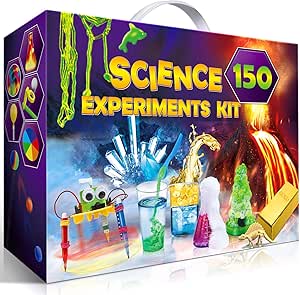 | Best for Extensive Variety and In-Depth Science Exploration | Number of Experiments: 150 | Suitable for: Kids | Includes: Tools and materials for experiments | VIEW LATEST PRICE | See Our Full Breakdown |
| National Geographic Earth Science Kit with 100+ Activities for Kids 8-12 | 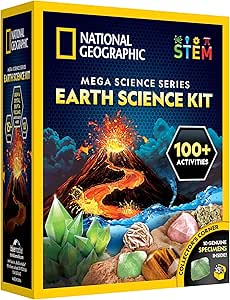 | Best for Earth Sciences and Age-Appropriate Exploration | Number of Activities: 100+ | Recommended Age: 8-12 | Includes: Experiment kits, learning guide | VIEW LATEST PRICE | See Our Full Breakdown |
| Doctor Jupiter My First Science Experiments Kit for Kids Ages 4+ |  | Best for Beginners and Young Kids | Number of Experiments: 50+ | Age Range: 4+ | Safety Standards: ASTM F963-17 | VIEW LATEST PRICE | See Our Full Breakdown |
| Doctor Jupiter My First Science Experiments Kit for Kids Ages 4+ |  | Best Value for Extensive Experiments in Early STEM | Recommended Age: 4+ | Number of Experiments: 100+ | Safety Standards: ASTM F963-17 | VIEW LATEST PRICE | See Our Full Breakdown |
| National Geographic Magic Chemistry Set with 10 Tricks for Kids Ages 8-12 |  | Best for Combining Magic and Science for Older Kids | Ages: 8-12 | Number of Tricks: 10 | Includes: Tools, Magic Wand, Gloves | VIEW LATEST PRICE | See Our Full Breakdown |
| National Geographic Amazing Chemistry Set with 100+ Experiments for Kids Ages 8-12 |  | Best for Extensive Hands-On Chemistry Exploration | Number of Experiments: 100+ | Age Range: 8-12 | Included Materials: Test tubes, beakers, pipettes | VIEW LATEST PRICE | See Our Full Breakdown |
| Doctor Jupiter Ultimate Science Experiments Kit for Kids Ages 8+ |  | Best for Advanced STEM Activities and Parent-Child Bonding | Number of Experiments: 135+ | Bonus Experiments: 90+ | Recommended Age: 8+ | VIEW LATEST PRICE | See Our Full Breakdown |
More Details on Our Top Picks
UNGILINGA 40+ Experiments Science Kit for Kids Chemistry Set STEM Toy
This kit stands out for its extensive collection of over 40 experiments tailored to spark curiosity in young children. Compared to the Melican 60+ Science Experiment Kit, it offers a broader range of activities but may require more adult supervision due to household items needed. The clear, illustrated instructions make it accessible for beginners, and all materials are included for most experiments, minimizing prep time. However, some experiments involve household items or need adult help, which might limit independent play. The kit’s focus on fundamental chemistry concepts makes it ideal for early learners eager to explore science hands-on. The main tradeoff is that it’s less suitable for kids who prefer more complex or themed experiments without supervision.
Pros:- Includes over 40 engaging experiments, providing variety and value
- Clear, illustrated instructions simplify learning for young children
- All necessary materials included for most experiments
Cons:- Some household items needed, which could delay activities
- Requires adult supervision for safer execution and younger kids
Best for: Parents of young children who want a comprehensive, easy-to-use chemistry kit to introduce basic concepts.
Not ideal for: Older children or those seeking advanced, independent experiments—since supervision is often required and some experiments are simple.
- Number of Experiments:Over 40
- Suitable Age:Children
Our verdict“This kit suits parents seeking a broad, beginner-friendly chemistry experience for early learners willing to supervise minor household tasks.”
Science Kit for Kids – 80 Science Lab Experiments with Scientist Role Play
This kit makes a compelling case for children over 6 who enjoy a wide array of experiments combined with role-play, setting it apart from the more straightforward UNGILINGA kit. It offers 80 experiments, including exciting activities like erupting volcanoes and rainbow rains, along with role-play tools like goggles and gloves that foster imaginative engagement. Compared with the National Geographic Gross Science Kit, this option emphasizes safety and detailed guidance, but the larger number of parts and chemicals means it demands more adult oversight. Its extensive variety is excellent for curious kids, but small parts pose choking hazards for younger children. The comprehensive safety equipment supports confident exploration, but proper storage of chemical materials is necessary to maintain their quality.
Pros:- Wide variety of 80 experiments keeps children engaged
- Includes safety gear and guidance materials for secure exploration
- Encourages scientific curiosity with role-play and hands-on activities
Cons:- Requires adult supervision due to small parts and chemicals
- Some experiments may be messy or challenging for younger kids
Best for: Parents of children aged 6+ who want an extensive, interactive science experience with role-play elements.
Not ideal for: Younger children or families seeking a low-maintenance kit, as it involves many small parts and requires supervision.
- Number of Experiments:80
- Age Range:6+ years
- Includes:goggles, chemicals, petri dishes, test tubes, gloves, droppers, balloons
Our verdict“Ideal for active, curious children who thrive on variety and role-play with comprehensive safety measures in place.”
National Geographic Gross Science Kit with 45 Experiments for Kids 8-12
This kit appeals to kids aged 8-12 who enjoy gross-out science activities, offering 45 experiments like boiling boogers and glowing worms. It compares well with the National Geographic Chemistry Set, but focuses solely on gross themes, which may limit appeal for some children. Its engaging content introduces complex concepts such as polymers, chemical reactions, and pH science through memorable, hands-on experiments. The illustrated instructions are suitable for children to follow independently, but the messiness and need for adult supervision can be drawbacks. While the gross theme captures interest, it might not satisfy kids looking for more traditional or varied science topics. The focus on gross science makes it a fun, themed choice, but less versatile for broader science exploration.
Pros:- Engaging and fun experiments centered on gross science
- Educational content covering polymers, reactions, and pH science
- Clear, illustrated instructions suitable for children
Cons:- Experiments can be messy and require supervision
- Limited to gross science themes, which may not appeal universally
Best for: Parents seeking a gross-themed science kit that captivates children with fun, memorable activities.
Not ideal for: Children who prefer clean, traditional science experiments or are sensitive to mess and gross-out themes.
- Number of Experiments:45
- Recommended Age:8-12
- Includes:Experiment guide, household items
Our verdict“Best for kids fascinated by gross science who enjoy messy, themed activities with educational value.”
Melican 60+ Science Experiment Kit for Kids Ages 4-8+
This pick makes the most sense for parents seeking a large, age-appropriate set of over 60 experiments that foster curiosity and critical thinking in preschool and early elementary children. Compared to the UNGILINGA 40+ kit, it offers more experiments designed specifically for younger kids, with all necessary materials and safety goggles included, minimizing the need for adult prep. Its activities like volcano eruptions and chemical reactions are straightforward yet engaging, supporting early STEM education. However, the requirement for adult supervision remains, especially for more complex or messy experiments. Its limited age range means it might be less suitable for older children craving more advanced or diverse experiments. Still, this kit’s emphasis on early STEM skills makes it a strong choice for parents focused on foundational science learning.
Pros:- Includes over 60 experiments tailored for young children
- All materials and safety goggles included for easy setup
- Encourages early STEM skills and critical thinking
Cons:- Experiments may need adult supervision for safety
- Some activities could be messy for younger kids
Best for: Parents of children aged 4-8 who want a comprehensive, safe introduction to STEM concepts.
Not ideal for: Older children or those looking for more sophisticated, independent experiments beyond the age range.
- Number of Items:1
- Included Components:manual, safety goggles
- Best Sellers Rank:#7,584 in Toys & Games
- Customer Reviews:4.5/5
Our verdict“Ideal for parents seeking a large, age-appropriate STEM kit to develop early science curiosity in young children.”
National Geographic Chemistry Set with 45 Experiments for Kids 8-12
This set makes a solid choice for children aged 8-12 interested in hands-on chemistry, offering 45 experiments like volcano eruptions and rocket launches. It compares favorably with the B09XB4QGM3 kit by focusing solely on chemistry, which suits kids with a specific interest in the subject. The easy-to-follow instructions foster independent learning, though the limited information on included materials can be frustrating for parents and may lead to surprises during setup. The potential mess during experiments and need for supervision are notable drawbacks, but the variety and educational focus justify that tradeoff. This kit is particularly suited for children eager to explore chemistry’s fundamentals in a manageable, engaging way.
Pros:- Wide variety of fun, educational experiments
- Easy-to-follow instructions support independent use
- Encourages hands-on STEM exploration
Cons:- Requires adult supervision for safety
- Limited details on included materials may cause unexpected issues
Best for: Parents of kids aged 8-12 wanting a focused, traditional chemistry set with multiple experiments.
Not ideal for: Younger children or families seeking broader science topics beyond chemistry, due to complexity and supervision needs.
- Number of Experiments:45
- Recommended Age:8-12
- Brand:National Geographic
- Type:Chemistry Set
Our verdict“A great choice for kids interested in exploring chemistry through a manageable set of fun, hands-on experiments with guidance.”
UNGLINGA 70 Lab Experiments Science Kit for Kids
This kit stands out for offering an impressive array of 70 experiments, far surpassing the 50 experiments found in the National Geographic Junior Chemistry Set. Its broad selection fosters diverse scientific exploration, making it ideal for kids who enjoy trying multiple types of experiments in one package. While the extensive options promote critical thinking, the lack of specified age suitability and absence of customer ratings make it less transparent for cautious buyers. Compared with other kits, it provides a more comprehensive experience, but the limited information on age range could be a concern for parents seeking targeted guidance. This kit makes the most sense for families seeking variety and STEM engagement, especially where safety and instruction clarity are prioritized.
Pros:- Offers a vast array of 70 experiments for diverse learning experiences
- Encourages critical thinking and STEM skills through hands-on activities
- Includes clear instructions and safe ingredients for ease of use
Cons:- Age suitability is not specified, which could lead to safety concerns
- Lacks customer ratings or reviews for reliability assessment
Best for: Parents looking for a broad, engaging science experience to stimulate curiosity and critical thinking in children of varying ages.
Not ideal for: Buyers who need clear age recommendations or are concerned about transparency from unknown brands, since the age range isn’t specified and ratings are unavailable.
- Number of Experiments:70
- Suitable Age:Not specified
- Includes:Experiment manual, safe ingredients
Our verdict“This kit is best suited for families wanting a wide variety of experiments that promote critical thinking, provided they are comfortable with less specific age guidance.”
National Geographic Junior Chemistry Set with 50 Experiments for Kids
This set is tailored for children aged 4 and up, offering over 50 experiments using household items, making it accessible for early learners. Its inclusion of 20+ durable, kid-safe tools and illustrated instructions ensures engagement and safety, which sets it apart from more advanced kits like the UNGILINGA 150 Experiments Science Kit. However, the reliance on household items for some experiments means some activities may lack scientific complexity, and adult supervision is necessary for safety. Compared to larger sets, it prioritizes ease of use and age-appropriate content, but it may not satisfy older kids seeking more challenging experiments. This kit is ideal for parents seeking a gentle entry point into science for preschoolers and early elementary students.
Pros:- Engages children with hands-on, age-appropriate experiments
- Includes illustrated instructions and durable tools for easy use
- Encourages curiosity and foundational science skills
Cons:- Requires adult supervision for safety during experiments
- Limited to household items, which may restrict scientific depth
Best for: Parents of young children (ages 4+) seeking a beginner-friendly, safe introduction to science with simple household experiments.
Not ideal for: Buyers seeking advanced or comprehensive science experiences, as the focus on household items limits complexity and scope for older or more experienced children.
- Age Range:4 and up
- Number of Experiments:50
- Tools Included:20+
- Includes:Illustrated instructions, durable tools
Our verdict“This kit makes the most sense for parents wanting a safe, easy-entry science set for very young children that emphasizes fun and basic concepts.”
National Geographic Science Magic Kit for Kids
This kit offers over 100 experiments and magic tricks, making it a strong choice for children who enjoy combining science with entertainment. It differs from more traditional experiment sets like the UNGILINGA 70 Lab Experiments Kit by emphasizing creative magic tricks that foster problem-solving and curiosity. While the variety is impressive, the specific experiments are not detailed, which may leave parents unsure of the educational depth. The lack of an age range or detailed contents also limits its suitability for certain age groups. Still, for kids who thrive on playful learning and magic, this kit delivers a fun STEM experience that encourages creative thinking and engagement.
Pros:- Includes over 100 experiments and magic tricks for varied engagement
- Encourages creativity, problem-solving, and STEM skills
- Award-winning product with educational value
Cons:- Limited details on specific experiments and contents
- No explicit age range or safety information provided
Best for: Parents of children aged 8-12 who enjoy magic and creative science activities that blend fun with STEM concepts.
Not ideal for: Buyers seeking detailed scientific experiments or clear educational progression, as the focus is more on magic tricks than structured science learning.
Our verdict“This kit is perfect for children who love magic and creative play, especially those who enjoy a playful approach to STEM learning.”
UNILINGA 150 Experiments Science Kits for Kids Chemistry Lab STEM Toys
This comprehensive kit offers 150 experiments spanning chemistry, physics, and earth sciences, making it ideal for serious young scientists. It surpasses smaller kits like the National Geographic Earth Science Kit in scope and variety, providing high-quality tools and easy-to-follow instructions that promote hands-on learning. The large number of experiments can keep kids engaged for months, but some activities may require adult supervision, and certain projects rely on household items, limiting total independence. While it offers extensive content, it might be overwhelming for beginners or very young children. This kit is best suited for motivated kids or families seeking an all-in-one science lab experience at home.
Pros:- Provides a vast selection of 150 experiments for comprehensive learning
- Includes high-quality tools and kid-friendly materials
- Covers multiple scientific fields—chemistry, physics, earth science
Cons:- Some experiments require adult supervision for safety
- Requires household items, which may limit independence for younger children
- Potentially overwhelming for beginners or very young kids
Best for: Parents of curious children eager for a wide-ranging, in-depth science kit that covers multiple disciplines for continued exploration.
Not ideal for: Buyers looking for a simple or beginner-level kit, as the large scope and need for supervision might be too advanced for early learners or casual experimenters.
- Number of Experiments:150
- Suitable for:Kids
- Includes:Tools and materials for experiments
- Educational Focus:Science, Chemistry, Physics, Earth Science
Our verdict“This extensive kit is best for highly motivated children or families seeking a complete, multi-disciplinary science experience at home.”
National Geographic Earth Science Kit with 100+ Activities for Kids 8-12
This kit features over 15 hands-on experiments, including volcano eruptions and water tornadoes, designed specifically for children aged 8 to 12. Its detailed learning guide and diverse activities make it comparable to the UNGILINGA 70 Lab Experiments Kit in scope, but with a clear focus on Earth sciences. While the activities are engaging and educational, some components may be small for younger children, and adult supervision is recommended for safety. The inclusion of a comprehensive guide helps clarify scientific concepts, making it suitable for school-aged kids interested in geology and earth processes. It’s a solid choice for parents wanting to combine fun experiments with educational content in Earth science.
Pros:- Offers a wide variety of Earth science experiments and activities
- Includes a detailed learning guide to explain concepts
- Engages kids with hands-on, fun science experiences
Cons:- Some components may be small for younger children
- Adult supervision recommended for safety
Best for: Parents of children aged 8-12 looking for an engaging, educational Earth science kit that balances experiments with learning support.
Not ideal for: Buyers seeking a more general science kit or for significantly younger children, due to small parts and age-specific content.
- Number of Activities:100+
- Recommended Age:8-12
- Includes:Experiment kits, learning guide
Our verdict“This kit is ideal for school-aged children interested in Earth sciences and looking for a structured, educational science experience.”
Doctor Jupiter My First Science Experiments Kit for Kids Ages 4+
This kit stands out for its broad range of over 50 simple, engaging experiments designed to spark curiosity in children as young as 4. Compared with the Doctor Jupiter B09XGMHGJ3 set, which offers more experiments, this option emphasizes safety and ease of use, making it ideal for early learners. However, its experiments may require additional household items, and adult supervision is necessary for the youngest children. The clear instructions and high-quality materials promote confidence in young scientists while fostering basic STEM skills. The main tradeoff is that its scope is less advanced, so older or more experienced kids might find it less challenging. This kit is perfect for parents seeking a safe, introductory experience for preschoolers or early elementary students.
Pros:- Over 50 engaging experiments to inspire curiosity
- Promotes STEM learning and critical thinking
- Includes clear, step-by-step instructions
- Safe, high-quality materials
Cons:- Requires adult supervision for younger children
- Some experiments may need household items
Best for: Families with children aged 4+ who want a simple, safe, and educational first science kit.
Not ideal for: Parents looking for more advanced or comprehensive experiments for older children or those with experience in science activities.
- Number of Experiments:50+
- Age Range:4+
- Safety Standards:ASTM F963-17
Our verdict“This kit makes the most sense for parents introducing science to very young children who need straightforward, safe activities.”
Doctor Jupiter My First Science Experiments Kit for Kids Ages 4+
This kit offers over 100 experiments, providing a richer variety of activities than the B0D17X5QNF set, making it ideal for sustained engagement and deeper exploration of basic science concepts. It’s especially suitable for children who enjoy ongoing discovery, but both sets require adult supervision and some experiments may need additional household items, similar to other beginner kits. While it provides excellent value for its large number of experiments, its scope remains focused on fundamental science suitable for age 4 and up. Compared to more advanced sets like the National Geographic Amazing Chemistry Set (B093CPZYR8), it offers a gentler introduction suitable for younger children. The main limitation is that it might not challenge older or more experienced kids, who may quickly outgrow its scope.
Pros:- Over 100 experiments for extended learning
- Encourages observation and critical thinking
- Easy-to-follow, illustrated instructions
- Safe, high-quality materials meeting safety standards
Cons:- Requires adult supervision
- Some experiments need household items
- Limited complexity for older kids
Best for: Parents of children aged 4+ seeking a high-volume, budget-friendly introduction to STEM activities.
Not ideal for: Families wanting more complex experiments or activities for children above age 6 with some science background.
- Recommended Age:4+
- Number of Experiments:100+
- Safety Standards:ASTM F963-17
Our verdict“Ideal for families seeking a large number of basic experiments to introduce young children to science at an affordable price.”
National Geographic Magic Chemistry Set with 10 Tricks for Kids Ages 8-12
This set excels at blending entertainment with education, offering 10 tricks such as floating coins and color-changing liquids, which make science feel like magic. It stands out against larger sets like the B093CPZYR8 because of its focus on ‘magic tricks’ that demonstrate scientific principles in a playful way, ideal for children aged 8-12. While the smaller number of tricks limits long-term use, it fosters creativity, curiosity, and a sense of wonder. The included tools, wand, and gloves enhance the immersive experience, but the set’s limited experiments may not satisfy kids eager for more in-depth chemistry exploration. This pick is perfect for sparking interest in science through a fun, magic-themed approach and short activities.
Pros:- Combines science and magic for engaging learning
- All necessary tools included for immediate use
- Kid-friendly instructions with scientific insights
- Encourages creativity and curiosity
Cons:- Limited to 10 tricks, so may not last long
- Requires adult supervision for some tricks
- Less comprehensive than larger sets
Best for: Parents of children aged 8-12 who enjoy magic and want a captivating, quick introduction to chemistry concepts.
Not ideal for: Younger children or those seeking a comprehensive, multi-experiment chemistry set for in-depth learning.
- Ages:8-12
- Number of Tricks:10
- Includes:Tools, Magic Wand, Gloves
- Award:Toy of the Year
Our verdict“This set is best for kids who enjoy magic tricks and want a quick, fun way to explore basic chemistry principles.”
National Geographic Amazing Chemistry Set with 100+ Experiments for Kids Ages 8-12
This set offers a comprehensive slate of over 100 experiments, including glowing solutions and crystal growing, making it ideal for children ready for more complex chemistry activities. Compared to the B085WF9CHH set, which focuses on tricks, this set emphasizes hands-on experimentation with real chemical reactions, fostering deeper STEM understanding. It includes all necessary materials and a bonus guide with 85 additional experiments, but both sets require adult supervision and some household items. The wide variety of projects keeps children engaged longer and develops skills beyond simple magic tricks. However, its complexity might be overwhelming for younger or less experienced children, and some experiments depend on household items not included, which could limit immediate use.
Pros:- Over 100 engaging, hands-on experiments
- Includes all necessary materials and tools
- Bonus guide with 85 additional experiments
- Encourages STEM learning and creativity
Cons:- Requires adult supervision
- Some experiments need household items not included
- Potentially overwhelming for beginners
Best for: Parents of children aged 8-12 wanting an in-depth, extensive chemistry experience that emphasizes real experiments.
Not ideal for: Parents seeking a quick or simple introduction for younger children or those with limited supervision capacity.
- Number of Experiments:100+
- Age Range:8-12
- Included Materials:Test tubes, beakers, pipettes
- Bonus Experiments:85
Our verdict“This is a great choice for kids ready to explore complex chemistry with a wide variety of experiments and real chemical reactions.”
Doctor Jupiter Ultimate Science Experiments Kit for Kids Ages 8+
This comprehensive kit surpasses the others with over 135 experiments, including glowing water and underwater volcanoes, making it suitable for older children and ambitious young scientists. It’s comparable to the B093CPZYR8 set but emphasizes a broader variety of activities that appeal to kids interested in more complex projects. The inclusion of household items allows for less mess and more practical experimentation, but supervision remains necessary for safety. While the extensive scope offers excellent value, the amount of experiments may be daunting for younger or less experienced children. This kit is ideal for families who want to combine STEM learning with bonding time, offering a versatile and engaging experience for children aged 8 and above.
Pros:- Over 135 experiments for in-depth exploration
- Includes 90+ bonus experiments for extended activity
- Materials are household-friendly, minimizing mess
- Supports STEM learning and creativity
Cons:- Requires adult supervision
- Some experiments need household items not included
- Limited to children aged 8 and above
Best for: Parents seeking a large, diverse set of experiments for children 8+ who are eager to explore advanced science topics.
Not ideal for: Younger children or families desiring a simple or beginner-friendly science kit with fewer experiments.
- Number of Experiments:135+
- Bonus Experiments:90+
- Recommended Age:8+
- Materials:Leak-proof bottles, household items
Our verdict“This kit is perfect for older kids with a serious interest in science who want a large, varied set of experiments to explore independently or with family.”
How We Picked
Our evaluation focused on the diversity and quality of experiments, age suitability, safety, durability, and overall educational value. We prioritized kits that offer a broad range of activities while maintaining affordability and ease of use. To rank these options, we considered customer reviews, brand reputation, and the versatility of the experiments included. Kits with comprehensive instructions and high-quality components received higher marks, as they support independent learning and reduce frustration. The goal was to identify options that best serve different age groups and learning styles, from beginner to advanced levels.
Factors to Consider When Choosing Interactive Science Experiment Kits
When choosing an interactive science experiment kit, it’s important to match the kit’s complexity, content, and safety features with the child’s age, interests, and learning goals. Beyond looking at the number of experiments, consider how the kit supports skill development, whether it encourages critical thinking, and if it offers a good balance of fun and education. Carefully assessing these factors ensures a satisfying purchase that fosters curiosity and confidence in young scientists.
Age Appropriateness and Safety
Matching the kit to the child’s age prevents frustration and ensures safety during experiments. Younger children need simple, large components and minimal risk, while older kids can handle more complex setups. Always check for non-toxic materials and safety certifications to avoid harmful substances. A kit designed for the correct age group will be easier to use and more engaging, leading to a better learning experience.
Number and Quality of Experiments
Quantity isn’t everything—focus on the quality and educational depth of each experiment. A smaller kit with well-designed, meaningful experiments can be more valuable than a large collection of superficial activities. Look for kits that promote critical thinking, problem-solving, and scientific reasoning, rather than just rote procedures. Durable components and clear instructions also enhance the experience, reducing frustration and waste.
Versatility and Reusability
Some kits include experiments that can be repeated or expanded upon, providing ongoing learning opportunities. Reusable components and open-ended experiments encourage creativity and deeper understanding. Conversely, kits with single-use supplies may limit engagement over time, making them less cost-effective. Consider whether the kit offers room for experimentation beyond the included activities.
Educational Content and Engagement
Look for kits that clearly connect experiments to scientific concepts, fostering curiosity and understanding. Kits blending fun with education tend to keep children interested longer. Role play, magic tricks, or themed activities can boost engagement, especially for reluctant learners. The best kits include detailed guides that explain the science behind each activity, encouraging independent exploration.
Price and Value
While higher-priced kits often offer more experiments and higher quality, they aren’t always the best value for every buyer. Balance your budget with your child’s interests and your educational goals. Consider long-term value—can the kit be expanded or used repeatedly? Sometimes investing in a slightly more expensive, comprehensive kit offers better learning opportunities and durability than cheaper alternatives.
Frequently Asked Questions
Are interactive science kits suitable for very young children?
Yes, but it’s important to choose kits specifically designed for their age group, typically ages 3-6. These kits focus on simple, safe experiments with large, non-toxic components and minimal risk. Supervised play is recommended to ensure safety, and choosing age-appropriate kits helps foster early interest in science without overwhelming or discouraging young learners.
How do I know if a kit offers enough educational value?
Look for kits that include detailed instructions explaining the scientific principles behind each activity. Reputable brands often highlight the educational goals and concepts covered. If the kit encourages critical thinking, problem solving, or inquiry-based learning, it’s likely to provide meaningful educational value. Reviews and ratings can also reveal how well other users feel the experiments promote understanding.
Should I prioritize kits with more experiments or higher-quality components?
Both matter, but quality often trumps quantity. A kit with fewer, well-made experiments that promote understanding can be more beneficial than a large collection of superficial activities. Durable, safe components enhance the experience and last longer, providing better value over time. Balance your choice based on your child’s interest level and the depth of learning you’re aiming for.
Are online resources or guides included in these kits?
Many top kits come with comprehensive printed guides, and some include access to online tutorials or videos. These resources can deepen understanding and provide additional activities or explanations. Always check the product description to see what instructional support is included, as this significantly impacts the ease of use and educational impact of the kit.
Can these kits grow with my child’s abilities?
Some kits are designed with expandability in mind, offering additional experiments or modular components. Kits that focus on open-ended activities or STEM principles can adapt to a child’s growing curiosity and skills. Keep an eye on whether the kit provides opportunities for ongoing learning or can be integrated with other kits for a broader science education.
Conclusion
For parents of younger children or beginners, the Doctor Jupiter My First Science Experiments Kit offers a gentle, safe introduction to science. The National Geographic Amazing Chemistry Set makes an excellent choice for those seeking a broad, educational experience at a reasonable price. Serious science enthusiasts or older kids will appreciate the UNGILINGA 150 Experiments Science Kit for its extensive activities and STEM focus. Budget-conscious buyers should consider kits with high reusability and quality components, while those looking for premium options might prefer more comprehensive, feature-rich sets. Ultimately, matching the kit to the child’s age, interests, and your educational goals ensures a rewarding science journey.