
Finding the right educational science kit for back to school involves balancing engagement, educational value, and ease of use. The 33PCS Lab Science Experiments Kit stands out as the best overall because of its comprehensive set of tools and versatility, making it suitable for a wide age range. The National Geographic Earth Science Kit offers a captivating focus on earth sciences, ideal for curious students interested in geology and environmental topics. Meanwhile, the UNGILINGA 150 Experiments Kit provides the most extensive number of activities, perfect for those eager to explore STEM in depth. Readers face key tradeoffs: more complex kits tend to be pricier and require more supervision, while simpler options may lack variety. Continue reading for a detailed comparison to find the best fit for your child’s interests and your budget.

Prime made for students and young adults
- Fast, free delivery for dorm and study essentials
- Prime Video and Amazon Music included
- Member-only deals
Key Takeaways
- The most versatile kits combine a wide range of experiments with high-quality tools, offering better long-term value.
- Expansive kits like UNGILINGA 150 provide more learning opportunities but may be overwhelming for beginners or younger children.
- The best overall pick balances comprehensive content with ease of use, making it suitable for most back-to-school needs.
- Specialized kits like the National Geographic Earth Science focus on specific topics, appealing to students with particular interests.
- Price and complexity are the main tradeoffs; more elaborate kits often cost more and may require adult supervision for safe use.
| 33PCS Lab Science Experiments Kit for Kids – Chemistry Beakers, Test Tubes, and Educational Science Tools |  | Best Overall for Hands-On Chemistry Exploration | Number of Beakers: 3 | Number of Test Tubes: 4 | Additional Tools: droppers, goggles, magnifying glass, funnel, gloves, measuring spoons, stirring rods, sampling spoons, dropper bottles, tweezer, conical flask, pipettes | VIEW LATEST PRICE | See Our Full Breakdown |
| Creativity for Kids Grow ‘N Glow Terrarium Kit |  | Best for Creative STEM Learning and Visual Fun | Recommended Age: 6+ | Includes: plastic terrarium jar, potting mix, chia and wheatgrass seeds, glow-in-the-dark figurines, stickers | Seeds: quick-growing chia and wheatgrass | VIEW LATEST PRICE | See Our Full Breakdown |
| UNGILINGA 40+ Experiments Science Kit for Kids – Chemistry Set, Educational Toy Gift for Boys and Girls |  | Best for Creative Chemistry with Clear Instructions | Number of Experiments: Over 40 | Suitable For: Kids | Includes: All necessary materials (excluding some household items) | VIEW LATEST PRICE | See Our Full Breakdown |
| UNGILINGA 150 Experiments Science Kit for Kids, STEM Educational Project Toys for Boys and Girls |  | Best for Extensive Exploration Across Multiple Disciplines | Age Range: 96-720 months | Included Components: Science experiments tools and materials | Number of Experiments: 150 | VIEW LATEST PRICE | See Our Full Breakdown |
| Science Kit for Kids, 80 Experiments, STEM Educational Toy with Scientific Tools, Birthday Gift for Ages 6-9 |  | Best for Fun, Safe, and Engaging Scientific Exploration | Number of Experiments: 80 | Included Components: Goggles, chemical materials, petri dishes, balloons, pigment, effervescent tablets, measuring cups, test tubes, gloves, rubber bands, droppers, straws, toothpicks, rotary needles, measuring spoons, balloons, twisting rods, rainbow candy, color-changing flower | Recommended Age: 6-9 years | VIEW LATEST PRICE | See Our Full Breakdown |
| National Geographic Earth Science Kit with 100+ Activities for Kids 8-12 | 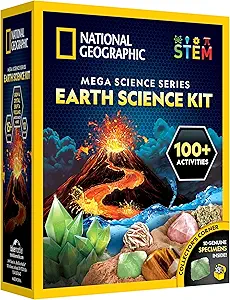 | Best Overall for Comprehensive Earth Science Learning | Activities: 100+ | Age Range: 8-12 | Included Experiments: Dueling water tornadoes, erupting volcano, crystal growing, geologic dig kits | VIEW LATEST PRICE | See Our Full Breakdown |
| 24PCS Educational Lab Science Experiments Kit for Kids |  | Best for Creative Hands-On Basic Science Exploration | Number of Test Tubes: 10 | Material: Plastic | Includes: Droppers, Test Tube Holder, Caps | VIEW LATEST PRICE | See Our Full Breakdown |
More Details on Our Top Picks
33PCS Lab Science Experiments Kit for Kids – Chemistry Beakers, Test Tubes, and Educational Science Tools
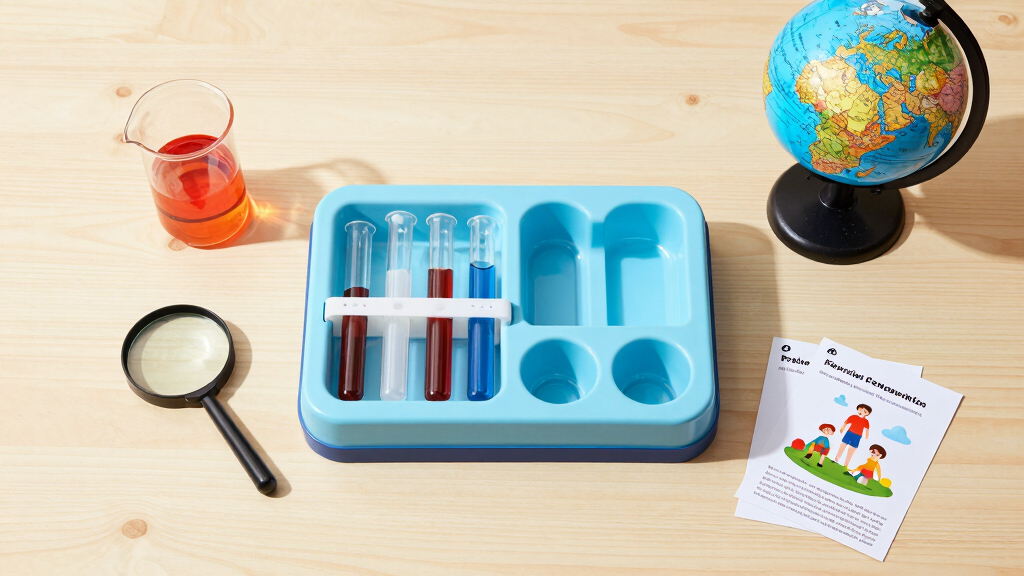
This kit stands out for its comprehensive set of authentic science tools that foster real chemistry experiments, making it ideal for children eager to explore scientific concepts hands-on. Compared with the larger UNGILINGA 150 Experiments Science Kit, it offers a more manageable number of components, which is perfect for beginners or younger children, but it sacrifices some variety and depth. The inclusion of beakers, test tubes, goggles, and other accessories encourages active experimentation, though some parts are small and may pose a choking hazard for very young kids. Its plastic construction keeps it lightweight and easy to clean, but durability isn’t on par with glass. This kit makes the most sense for parents and teachers wanting a safe, accessible introduction to chemistry without overwhelming complexity.
Pros:- Encourages hands-on science learning and curiosity
- Includes a variety of authentic science tools and accessories
- Made of colorful, easy-to-clean plastic materials
Cons:- Some components may be small for younger children
- Limited detailed instructions included
- Plastic materials may not be as durable as glass
Best for: Parents and educators seeking a compact, safe chemistry kit for children aged 6-12 who are just starting to explore science experiments.
Not ideal for: Families looking for highly durable, long-lasting glass tools or advanced chemistry sets expecting detailed instructions and complex projects.
- Number of Beakers:3
- Number of Test Tubes:4
- Additional Tools:droppers, goggles, magnifying glass, funnel, gloves, measuring spoons, stirring rods, sampling spoons, dropper bottles, tweezer, conical flask, pipettes
Our verdict“This kit suits beginners and younger kids who need a safe, manageable introduction to chemistry experiments, with some limitations in durability and complexity.”
Creativity for Kids Grow ‘N Glow Terrarium Kit
This kit makes the most sense for children aged 6 and up who enjoy hands-on planting and creative activities, thanks to its engaging Grow ‘N Glow feature. Unlike the UNGILINGA 40+ Experiments Science Kit, which offers a broader range of scientific concepts, this kit centers on biology and visual appeal, making it ideal for younger children or those new to science projects. The glow-in-the-dark figurines and quick-growing seeds foster immediate visual satisfaction and spark curiosity about ecosystems and plant growth. However, supervision is needed when watering and handling small parts, and the number of plantings is limited. The focus on aesthetics and simple STEM concepts makes it a perfect beginner’s kit, but it may not satisfy kids seeking more complex experiments or a wide variety of scientific topics.
Pros:- Educational and engaging STEM activity for kids
- Includes all necessary supplies for multiple plantings
- Glow-in-the-dark features add fun and visual appeal
Cons:- Requires supervision for watering and small parts
- Limited to a small number of plantings
- Some seeds may take longer to sprout depending on conditions
Best for: Parents of children aged 6-9 interested in combining science with creative arts and visual fun, especially those who enjoy gardening projects.
Not ideal for: Families seeking extensive scientific experiments across multiple disciplines or advanced chemistry and physics activities for older children.
- Recommended Age:6+
- Includes:plastic terrarium jar, potting mix, chia and wheatgrass seeds, glow-in-the-dark figurines, stickers
- Seeds:quick-growing chia and wheatgrass
- Glow Features:glow-in-the-dark figurines, stickers
- Growth Time:3-4 days
Our verdict“This kit is perfect for younger children who enjoy creative, visual STEM activities centered around plants and ecosystems, with some limitations on scope and longevity.”
UNGILINGA 40+ Experiments Science Kit for Kids – Chemistry Set, Educational Toy Gift for Boys and Girls
This kit offers a solid entry point for children interested in exploring chemistry through over 40 experiments, making it ideal for kids who enjoy detailed project work. Compared with the UNGILINGA 150 Experiments Science Kit, it provides fewer experiments but is more manageable for younger children or beginners. The clear, child-friendly instructions promote independent learning, while the variety of experiments sparks curiosity about chemical reactions, states of matter, and more. A tradeoff is that some household items are needed to complete experiments, which might be inconvenient for some users. It’s a great gift option for birthdays or special occasions, especially if the child is eager to learn basic chemistry in a guided, structured way.
Pros:- Provides over 40 engaging science experiments
- Includes clear, child-friendly instructions
- Encourages hands-on learning and creativity
- Makes a great educational gift for various occasions
Cons:- Some household items are needed to complete experiments
- Requires adult supervision for younger children
Best for: Parents or teachers seeking a well-structured chemistry kit with straightforward instructions for children aged 8-14, focusing on fundamental concepts.
Not ideal for: Families wanting highly advanced experiments or those who prefer complete kits with all materials included without household supplementing.
- Number of Experiments:Over 40
- Suitable For:Kids
- Includes:All necessary materials (excluding some household items)
Our verdict“This kit is well-suited for children new to chemistry who benefit from structured activities and clear guidance, despite needing some household items and supervision.”
UNGILINGA 150 Experiments Science Kit for Kids, STEM Educational Project Toys for Boys and Girls
This extensive kit makes the most sense for dedicated young scientists or classrooms where a broad variety of experiments are needed. Compared with the 33PCS Lab Science Experiments Kit, it offers a staggering 150 experiments covering earth science, physics, chemistry, and more, but at the cost of complexity and a higher learning curve. The included tools are high-quality and suitable for repeated use, making it a durable choice for ongoing STEM exploration. However, some experiments may require adult supervision and additional household items, which could be inconvenient for casual users. If the goal is to foster deep, broad scientific understanding, this kit delivers on that promise for ages 8 and up, especially in educational settings.
Pros:- Provides 150 engaging science experiments
- Includes high-quality tools and kid-friendly materials
- Educational and fun, suitable for home or school activities
- Well-illustrated, easy-to-follow manual
Cons:- Some experiments may require adult supervision
- Tools and materials may need additional household items
- Limited information on specific age suitability beyond range
Best for: Schools, homeschoolers, or dedicated young scientists who want a comprehensive, multi-disciplinary experiment set for children aged 8-16.
Not ideal for: Families seeking a smaller, simpler kit for casual exploration or for children with limited space or shorter attention spans.
- Age Range:96-720 months
- Included Components:Science experiments tools and materials
- Number of Experiments:150
Our verdict“This kit suits serious young scientists or educators seeking an extensive, multi-disciplinary STEM experience, with some considerations for supervision and setup complexity.”
Science Kit for Kids, 80 Experiments, STEM Educational Toy with Scientific Tools, Birthday Gift for Ages 6-9
This kit makes the most sense for children aged 6-9 who enjoy a variety of experiments that combine fun with learning, such as creating rainbow rain or erupting volcanoes. Compared with the UNGILINGA 40+ Experiments Science Kit, it provides more experiments in a colorful, accessible package, making it suitable for children slightly older or with a greater curiosity for science. The inclusion of goggles, petri dishes, balloons, and other safety features ensures a safe environment for young learners, while the diverse activities encourage critical thinking. However, some experiments may need adult help to set up, and the materials might not be very durable. Overall, this kit offers a well-rounded, engaging introduction to science for early elementary students.
Pros:- Provides 80 engaging science experiments
- Includes comprehensive safety features and guidance
- Suitable as an educational gift for birthdays and holidays
Cons:- Some experiments may require adult supervision
- Limited information on the durability of materials
- Complex setup might be challenging for younger children without assistance
Best for: Parents and gift-givers looking for a colorful, safe, and engaging STEM kit for children 6-9 years old that balances fun with learning.
Not ideal for: Families seeking highly durable, long-term kits or those wanting more advanced or discipline-specific experiments.
- Number of Experiments:80
- Included Components:Goggles, chemical materials, petri dishes, balloons, pigment, effervescent tablets, measuring cups, test tubes, gloves, rubber bands, droppers, straws, toothpicks, rotary needles, measuring spoons, balloons, twisting rods, rainbow candy, color-changing flower
- Recommended Age:6-9 years
- Brand:Kuovei
Our verdict“This kit offers a lively, safe, and educational experience for young children eager to explore science, with some caveats around setup complexity and material durability.”
National Geographic Earth Science Kit with 100+ Activities for Kids 8-12
This kit stands out for its extensive variety of over 100 hands-on activities, making it a top choice for young learners eager to explore Earth sciences in depth. Compared with the UNGILINGA 150 Experiments Science Kit, it offers a more curated selection of experiments with clear educational guidance, though it doesn’t quite match the sheer volume of activities. The included detailed, full-color learning guide helps children grasp complex concepts like volcano eruptions and geologic digs, fostering both curiosity and understanding. However, some experiments may require adult supervision, especially for younger or less experienced children, and a few activities might feel repetitive for more advanced students. This kit makes the most sense for families seeking a well-rounded, educational experience that balances fun with science literacy, especially for those who want structured guidance alongside experimentation.
Pros:- Over 100 engaging experiments that cover a broad spectrum of Earth sciences
- Includes a detailed, colorful learning guide for easy understanding
- Encourages hands-on exploration and scientific thinking
Cons:- Some activities may require adult supervision to ensure safety
- Repetitive for children with prior science experience or higher skill levels
Best for: Parents and educators looking for a comprehensive, structured Earth science kit that covers a wide range of topics and activities, suitable for children aged 8-12.
Not ideal for: Advanced young scientists or those needing highly specialized or more challenging experiments, as some activities can be repetitive or too simple for them.
- Activities:100+
- Age Range:8-12
- Included Experiments:Dueling water tornadoes, erupting volcano, crystal growing, geologic dig kits
Our verdict“This kit is ideal for families who want a comprehensive, guided Earth science experience that balances fun and education for kids aged 8-12.”
24PCS Educational Lab Science Experiments Kit for Kids
This kit makes a compelling option for introducing children to scientific principles through colorful plastic test tubes and versatile tools, emphasizing hands-on experimentation and curiosity. Compared to the National Geographic Earth Science Kit, it offers fewer experiments—primarily suited for basic exploration—making it less ideal for those seeking in-depth learning. Its bright, easy-to-clean plastic components are perfect for younger children or beginners who might struggle with more fragile or complex tools; however, the lack of detailed instructions means parents or educators need to provide guidance for effective use. The included tools like droppers and test tube holders support varied experiments, yet the limited scope restricts its appeal to those just starting or preferring quick, simple projects. This pick makes sense for parents seeking a straightforward, engaging science gift, especially for younger children with budding interest.
Pros:- Bright, colorful, and easy-to-clean plastic components
- Includes multiple tools like droppers and test tube holders for versatile experiments
- Encourages curiosity and basic scientific exploration
Cons:- Limited to basic experiments, not suitable for advanced learners
- No detailed instructions included, requiring adult guidance
- Plastic materials may wear over time with frequent use
Best for: Parents or teachers seeking a simple, durable, and colorful science kit to foster curiosity in children new to science experiments, especially ages 4-8.
Not ideal for: Advanced or older children looking for more complex or detailed scientific investigations, as it focuses on basic principles without comprehensive instructions.
- Number of Test Tubes:10
- Material:Plastic
- Includes:Droppers, Test Tube Holder, Caps
Our verdict“This kit is perfect for young children just starting their science journey, especially those who benefit from colorful, simple tools and basic experiments.”
How We Picked
These products were evaluated based on several criteria to ensure they meet the needs of back-to-school learners. Key factors included the variety and educational quality of experiments, safety and build quality of tools, age appropriateness, and overall value for the number of activities provided. Kits that offered a good balance of engaging content and ease of use ranked higher, as they tend to promote sustained interest without excessive supervision. We prioritized products with positive reviews from parents and educators, and those that covered a range of scientific disciplines to appeal to different interests. The ranking reflects a combination of versatility, educational depth, safety, and affordability, with the top picks offering the best mix of these qualities for most users.Factors to Consider When Choosing Educational Science Kits For Back To School
When selecting an educational science kit for back to school, it’s important to consider several factors that affect both learning outcomes and user experience. The right kit should align with your child’s age, interests, and level of curiosity. Additionally, think about the variety of experiments, safety features, and the clarity of instructions, as these influence how easily a child can learn independently or with minimal help. Budget also plays a role—more extensive kits tend to cost more but offer greater value for long-term engagement. By understanding these key considerations, you can make a choice that fosters curiosity while ensuring safety and educational richness.Age Appropriateness and Safety
Select a kit designed for your child’s age to ensure the experiments are suitable and safe. Kits for younger children often feature larger, non-toxic parts and simpler instructions, reducing frustration and risk. For older kids, more complex experiments provide deeper learning but may require adult supervision. Always check for safety certifications and clear warnings, especially if the kit includes chemicals or small parts that could pose choking hazards. Choosing age-appropriate kits minimizes safety concerns and maximizes engagement.
Experiment Variety and Educational Content
A good science kit offers a balanced mix of experiments covering different scientific fields—chemistry, biology, earth science, and physics. This variety keeps children engaged and broadens their understanding of science. Be wary of kits that focus too narrowly, which might limit exploration or bore children after initial excitement. Conversely, overly complex kits may overwhelm younger learners. Look for kits that clearly outline the educational objectives and include experiments that build on foundational concepts for sustained learning.
Ease of Use and Instruction Quality
Clear, step-by-step instructions are vital for children to work independently or with minimal adult help. Poorly written guides can lead to frustration or misuse of materials. Visual aids, safety tips, and troubleshooting sections add value. A kit with well-designed packaging and organized components simplifies setup and cleanup, making the experience more enjoyable. Remember, kits that are too complicated for the intended age can turn off young learners, so match complexity with skill level.
Build Quality and Safety of Tools
Durable, non-toxic, and well-made tools contribute to a safer, more satisfying experience. Low-quality plastics or fragile containers can break easily, leading to messes or safety issues. Investing in kits with sturdy, safe materials ensures longevity and reduces replacement costs. Avoid kits with small, sharp, or toxic parts, especially for younger children. High-quality tools also facilitate more precise experiments, enriching the learning process.
Price and Overall Value
While budget is always a consideration, spending slightly more often yields better-quality kits with more experiments and safer materials. Cheaper kits may skimp on tools or include fewer activities, limiting educational benefit. Consider the number of experiments, materials included, and the potential for ongoing use when evaluating value. Sometimes, investing in a more comprehensive kit pays off over time, especially if it encourages repeated experimentation and curiosity-driven exploration.
Frequently Asked Questions
Are these science kits suitable for homeschooling or classroom use?
Many of these kits are versatile enough for both homeschooling and classroom environments. They typically include enough materials and instructions for small groups or individual use. However, larger or more complex kits like the UNGILINGA 150 are better suited for classroom settings where adult supervision and guidance are available. Always consider the number of participants and the age range when choosing the right kit for educational settings.
Can younger children safely use these science kits independently?
For children under 8, adult supervision is recommended, especially with kits that include chemicals, small parts, or fragile tools. Many kits designed for early elementary levels specify this requirement clearly. Look for kits with large, non-toxic parts and simple instructions to promote safe independent exploration. For very young children, choose kits explicitly labeled for their age group to reduce safety risks.
What should I consider if I want a kit with a long-term educational impact?
Choose kits that offer a broad range of experiments and expandable components, allowing for ongoing learning. Kits with reusable tools or additional experiment packs can extend engagement over months. Focus on those that promote critical thinking and scientific reasoning rather than just one-time activities. Reading reviews about how other children or educators have used these kits over time can provide insight into their lasting educational value.
Are chemicals in these kits safe for children?
Reputable kits use non-toxic, child-safe chemicals and clearly label all contents. Always follow the provided safety guidelines and supervise children during experiments involving chemicals. Avoid kits that include hazardous substances or lack clear safety instructions. For sensitive or younger users, opt for kits emphasizing chemical-free experiments or those with synthetic, non-toxic substitutes.
Should I prioritize price or experiment variety when choosing a kit?
While budget constraints matter, focusing solely on price can lead to lower-quality materials or fewer experiments. A well-rounded kit that balances affordability with a variety of engaging activities offers better long-term value. Consider your child’s interests—if they are passionate about specific science areas, investing in a kit with targeted experiments can be more rewarding. Ultimately, a slightly higher investment often results in a richer, more educational experience.
Conclusion
Choosing the right science kit depends on your child’s age, interests, and your educational goals. The 33PCS Lab Science Experiments Kit makes an excellent choice for parents seeking a versatile, all-around kit that sparks curiosity without overwhelming younger students. For those wanting a deep dive into earth sciences, the National Geographic Earth Science Kit stands out as a top pick. Budget-conscious buyers will find great value in the 24PCS Educational Lab Kit with enough experiments to keep children engaged. If you’re looking for a premium, comprehensive experience for advanced learners, the UNGILINGA 150 Experiments Kit offers unmatched variety. Ultimately, balancing content, safety, and price will help you select the best educational science kit to inspire the next generation of scientists.
Halloween Picks
halloween
As an affiliate, we earn on qualifying purchases.