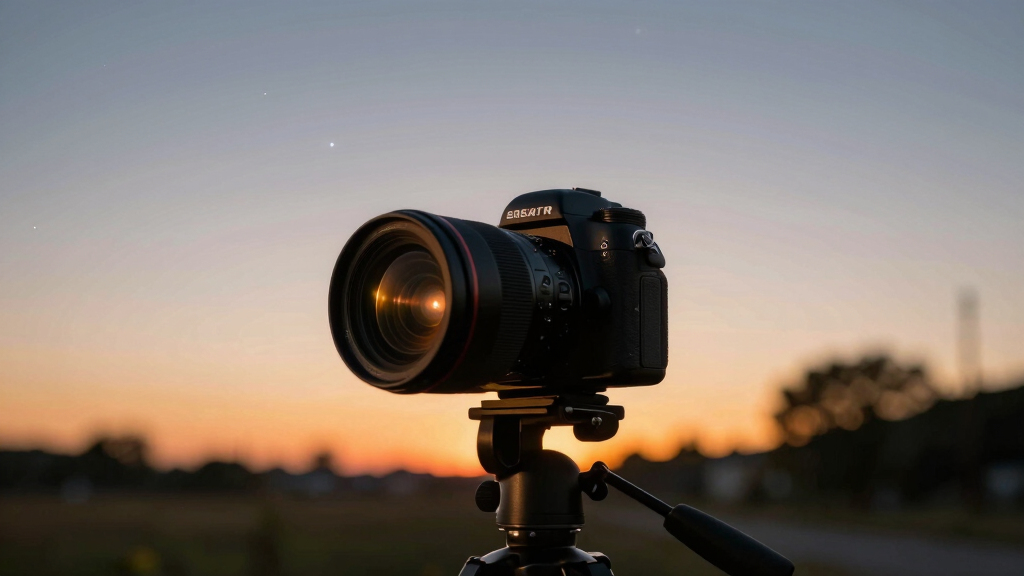

Capturing strange lights in the sky requires a camera that excels in low-light conditions and can handle unusual, fleeting phenomena. The best overall pick, the Celestron NexImage 20, offers high resolution and reliable autoguiding, making it ideal for detailed astrophotography. For budget-conscious enthusiasts, the SVBONY SV205 provides solid performance at a lower price point, while the Wireless Bluetooth Telescope Camera adds mobility and convenience. These options highlight the main tradeoffs: sensor sensitivity, ease of setup, and budget. Keep reading for a detailed breakdown of each, so you can find the perfect fit for your sky-watching adventures.
Listen free for 30 days with Audible
Thousands of audiobooks and originals — cancel anytime.
Start your free trialAs an affiliate, we earn on qualifying purchases.
Key Takeaways
- High-resolution sensors are essential for capturing detailed images of strange lights, but they often come with higher costs and larger file sizes.
- Autoguiding features significantly improve long-exposure shots, making some cameras better suited for capturing fleeting or faint phenomena.
- Wireless connectivity adds convenience but can introduce latency or stability issues, especially in remote or low-signal environments.
- Beginners should prioritize user-friendly interfaces and reliable performance over highly technical features that require advanced knowledge.
- The best camera choice depends heavily on your specific needs, whether it’s detailed imaging, ease of use, or portability for observing spontaneous phenomena.


More Details on Our Top Picks
Celestron NexImage 20 Solar System Camera – 20MP AR2020 CMOS Sensor, USB-C, Autoguiding
The Celestron NexImage 20 stands out for its exceptionally detailed 20 MP sensor, making it ideal for capturing sharp images of the Moon, planets, and solar phenomena. Compared to the NexImage 10, it offers greater resolution, which is key for revealing strange lights in the sky with more clarity. Its plug-and-play design with USB-C ensures quick setup and fast data transfer, while built-in autoguiding support increases tracking precision during longer exposures. However, its focus on Solar System targets means it’s less capable for deep-sky objects, and the learning curve can be steep for beginners unfamiliar with astrophotography software. This camera makes the most sense for amateur astronomers prioritizing planetary detail over deep-sky imaging.
Pros:- High-resolution 20 MP sensor captures incredible lunar, planetary, and solar details
- USB-C connectivity offers fast data transfer and easy setup
- Built-in autoguiding enhances tracking accuracy for long exposures
Cons:- Primarily optimized for Solar System, less suited for deep-sky astrophotography
- Requires compatible guidescope and telescope setup
- Steep learning curve for newcomers to astrophotography software
Best for: Advanced hobbyists seeking high-resolution lunar and planetary images of unusual lights in the sky
Not ideal for: Beginners or deep-sky astrophotographers who want versatility beyond Solar System targets
- Sensor:AR2020 CMOS, 20MP (5240 x 3840)
- Pixel Size:1.4 microns
- Connectivity:USB-C
- Includes:iCap software
- Warranty:2 years
Bottom line: This camera is ideal for dedicated planetary enthusiasts aiming for maximum detail, despite its limited deep-sky capabilities.
Celestron NexImage 10 Solar System Imager – 10.7 MP Color Camera for Astroimaging
The NexImage 10 offers a straightforward entry point into planetary astrophotography with its 10.7 MP sensor, providing clear images of the Moon, planets, and the Sun. Compared to the NexImage 20, it has a lower resolution, but this makes it easier for newcomers to process and understand planetary imaging basics. The included software supports live viewing and stacking, helping beginners improve their results without overwhelming complexity. However, its focus remains on planetary targets, so it isn’t suitable for deep-sky or unusual light phenomena. For those starting out or wanting quick, reliable planetary images, this camera strikes a good balance between simplicity and quality.
Pros:- Decent resolution for planetary imaging at 10.7 MP
- Compatible with most 1.25″ telescopes
- Includes software for live viewing and image stacking
Cons:- Limited for deep-sky or faint light phenomena
- Requires computer and telescope compatibility
- Less detailed than higher-end planetary cameras
Best for: Beginners or casual planetary astrophotographers interested in lunar and solar imaging
Not ideal for: Advanced users or those aiming to capture faint or strange celestial lights beyond planets
- Resolution:10.7 MP
- Sensor Technology:ON Semiconductor
- Barrel Size:1.25 inches
- Features:IR-cut, ROI, 2×2 binning
- Warranty:2 years
Bottom line: This camera suits beginners seeking reliable planetary images without the complexity of more advanced models.
SVBONY SV305C Astrophotography Camera, 2.1MP IMX662 Color Telescope Camera with Removable UV/IR Cut Glass, 1.25″ Electronic Eyepiece for Planetary and Lunar Imaging
The SVBONY SV305C offers a practical solution for amateur astronomers interested in planetary and lunar imaging on a budget. Its 2.1 MP IMX662 sensor provides good sensitivity and low noise, comparable to the SVBONY SV205 but with added flexibility due to its removable UV/IR cut filter. The multiple imaging modes, including high-speed planetary and sky-long exposure, allow for varied captures, especially in less-than-ideal conditions. However, at only 2.1 MP, its resolution falls short of high-end models, limiting the detail captured of faint or complex light phenomena. This camera is well-suited for those starting to explore lunar and planetary astrophotography but may leave advanced users wanting more.
Pros:- Low noise and high sensitivity with IMX662 sensor
- Removable UV/IR cut glass adds flexibility
- Multiple imaging modes including ROI and HCG noise reduction
Cons:- Limited to 2.1 MP resolution, less detail for complex phenomena
- Not suitable for professional deep-sky work
- Entry-level features may lack advanced controls
Best for: Beginner to intermediate astrophotographers focusing on planetary and lunar imaging
Not ideal for: Experienced astrophotographers or deep-sky enthusiasts seeking high-resolution or specialized imaging
- Sensor:IMX662 1/2.8″ CMOS
- Pixel Size:2.9µm
- Image Buffer:128MB DDRIII
- Interface:1.25″ CS
- Features:ROI, BIN2, HCG
Bottom line: This camera delivers solid planetary and lunar images for amateurs ready to upgrade from basic equipment, with some resolution limitations.
4K Wireless Telescope Camera with 8MP Imaging and 2.8-inch Screen
The 4K Wireless Telescope Camera distinguishes itself through versatile imaging with 8 MP CMOS sensors supporting 4K video and 64 MP stills, making it appealing for capturing unusual lights in the sky, wildlife, or outdoor scenes. Its 2.8-inch IPS screen and WiFi connectivity enable remote viewing and sharing, useful during casual astrophotography sessions. Unlike dedicated astrophotography cameras, it is designed for multi-purpose outdoor use, which means it might lack the specialized sensitivity and tracking features needed for detailed celestial imaging. The need for app control and limited battery life during extended shoots are minor tradeoffs for its convenience and adaptability. This device suits beginners and outdoor enthusiasts wanting a multi-use camera rather than a specialized astrophotography tool.
Pros:- Supports 4K video and 64 MP still images
- Wireless WiFi with remote control capabilities
- Fits various optical devices with adjustable eyepiece compatibility
Cons:- Requires app familiarity for full functionality
- Battery life may limit extended astrophotography sessions
- MicroSD card must be purchased separately for large storage
Best for: Beginners or outdoor explorers interested in capturing celestial lights along with wildlife and scenery
Not ideal for: Serious astrophotographers seeking high-sensitivity, long-exposure celestial imaging devices
- Resolution:8MP CMOS, supports 4K video and 64MP images
- Display:2.8-inch IPS
- Battery:2000mAh rechargeable
- Storage:Supports microSD up to 512GB
- Connectivity:WiFi
- Compatibility:Eyepieces 23mm to 60mm, telescopes, binoculars
Bottom line: This camera excels as a flexible outdoor imaging tool but isn’t optimized for detailed or long-exposure astrophotography of strange lights.
SVBONY SV205 Astrophotography Camera, 1.25″ 7.05MP IMX415 Sensor, USB 3.0 CMOS Telescope Camera for Beginners
The SVBONY SV205 distinguishes itself as the most accessible option for newcomers aiming to capture strange lights in the sky, thanks to its simple plug-and-play setup and compatibility with MacOS. Its 7.05MP IMX415 sensor delivers sharp images of celestial phenomena, outperforming lower-resolution options like the SVBONY SV305C, which offers only 2.1MP. The real-time video capture and high-quality sensor make it well-suited for capturing unusual atmospheric events or faint lights, but it isn’t water resistant and requires additional software for Mac setup, which could be a hurdle for some users. Compared to more advanced cameras, it sacrifices specialized features like cooling or higher frame rates, but for those starting out, this balance of ease and quality is compelling.
Pros:- Easy to set up and use without extensive technical knowledge
- High-quality 7.05MP sensor captures detailed images
- Supports real-time video in multiple formats
Cons:- Limited water resistance restricts outdoor use in adverse weather
- Requires software download for MacOS compatibility
Best for: Beginners or hobbyists seeking a straightforward, versatile astrophotography camera with good image quality.
Not ideal for: Advanced astrophotographers needing high frame rates, cooling systems, or professional-grade resolution.
- Sensor Type:CMOS
- Sensor Model:IMX415
- Sensor Resolution:7.05MP
- Pixel Size:1.45µm
- Connectivity:USB 3.0
- Maximum Resolution:2K
- Display Size:1.25 inches
- Water Resistance:Not water resistant
Bottom line: This camera offers a balanced mix of simplicity and quality, making it ideal for beginners exploring strange lights in the sky.
SVBONY SC311 WiFi Telescope Camera Eyepiece with IMX662 Sensor, 1080P, Removable UV/IR Cut Filter, for Moon Photography
The SVBONY SC311 excels for those interested in capturing moonlight and bright atmospheric phenomena, thanks to its high-sensitivity IMX662 sensor and WiFi connectivity. Unlike the SVBONY SV205, which is more general-purpose, this model is tailored for planetary detail, with a focal length of 480mm that emphasizes close-up lunar shots. Its wireless setup allows for easy sharing and remote control, but it’s less effective for faint lights or deep-sky objects, which require more advanced sensors or cooling features. The removable UV/IR filter adds versatility for terrestrial and lunar imaging, making it a strong contender for moon-centric astrophotography, though its exposure controls are manual, limiting automation.
Pros:- High-sensitivity IMX662 sensor captures lunar and planetary details
- WiFi connectivity allows easy sharing across multiple devices
- Removable UV/IR filter adds shooting flexibility
Cons:- Requires pairing with a telescope, unlike standalone cameras
- Limited effectiveness for capturing faint celestial objects
Best for: Amateur astronomers focusing on moon photography and planetary details who prioritize wireless control.
Not ideal for: Deep-sky or faint-light astrophotography enthusiasts who need higher sensitivity or automated exposure features.
- Sensor:IMX662 CMOS
- Resolution:1080P
- Battery Life:4 hours
- Storage:Supports up to 256GB TF card
- WiFi Technology:2.4G WiFi
- Effective Still Resolution:2 MP
Bottom line: Ideal for moon and planetary imaging with the convenience of wireless sharing, but less suited for deep-sky strange lights.
WiFi Telescope Camera Eyepiece with 64GB Storage and 1.5″ Screen for Astrophotography and Wildlife Observation
This WiFi telescope camera stands out for its integrated 1.5-inch screen and 64GB storage, making it highly practical for real-time observation of strange lights or wildlife. Its high-resolution 1080P videos are comparable to the SVBONY SC311, but with added convenience of a built-in display, eliminating the need for external devices. While its 3-hour battery life is a limitation compared to larger, more power-intensive options, it offers excellent app connectivity for remote viewing. It’s compatible with a variety of scopes, making it versatile for outdoor fieldwork, but the limited battery runtime could be restrictive during extended observation sessions.
Pros:- Built-in 1.5-inch screen enables instant viewing
- Supports 1080P video and 2MP photos for clear imaging
- 64GB storage and app connectivity facilitate easy sharing
Cons:- Battery life around 3 hours limits continuous use
- WiFi range may restrict remote operation in large outdoor areas
Best for: Wildlife observers or amateur astronomers wanting portable, real-time viewing with easy sharing capabilities.
Not ideal for: Serious deep-sky astrophotographers requiring longer recording times or higher sensor sensitivity.
- Screen Size:1.5 inches
- Resolution:1080P videos, 2MP photos
- Storage:64GB TF card
- Battery:1000mAh, up to 3 hours
- Compatibility:28mm-50mm scopes
- Connectivity:WiFi
Bottom line: This camera offers convenient on-the-spot observation and sharing for field users, but limited battery life may hinder lengthy sessions.
4K 8MP Astrophotography Telescope Camera – 1.25″ Electronic Eyepiece with IR Filter, Plug & Play for Astronomy
This 8MP astrophotography camera excels in capturing detailed images and smooth 4K videos, making it a strong choice for those who want high resolution without complex setup. Unlike the SVBONY SV205, which is more beginner-friendly but offers lower resolution, this model provides sharper images suited for serious deep-sky work. Its plug-and-play compatibility across Windows, macOS, and Linux simplifies use for a range of users, though the manual focus might pose a challenge for quick adjustments in dynamic conditions. The lightweight aluminum build ensures durability in field conditions, but the lack of built-in storage means you’ll need a separate device to save your captures. Compared to specialized planetary cameras like the SVBONY SV305C, this camera offers broader flexibility for both planetary and deep-sky imaging, though it doesn’t provide the same dedicated planetary features. This pick makes the most sense for experienced amateurs or semi-professionals aiming for versatile, high-res astrophotography with minimal fuss.Pros:- High-resolution 8MP sensor delivers detailed images for deep-sky and planetary targets
- Supports 4K video recording for dynamic astrophotography sessions
- Plug & Play compatibility across Windows, macOS, and Linux simplifies setup
Cons:- Manual focus can be tricky to achieve perfect sharpness, especially in the dark
- Limited to 1.25″ focusers, restricting use with larger or specialized mounts
- No onboard storage; relies on external device for saving images and videos
Best for: Advanced amateur astronomers who need high-resolution imaging for both planets and deep-sky objects without complex setup.
Not ideal for: Beginners seeking an all-in-one, easy-to-use camera with automatic focusing and integrated storage, as manual focus and lack of onboard memory could be frustrating.
- Sensor Resolution:8MP
- Video Resolution:1080P@60fps, 4K@30fps
- Compatibility:Windows 10/11, macOS 12+, Linux
- Interface:USB
- Focus Type:Manual
- Mount Compatibility:1.25″ focusers, M28.5×0.6mm threaded
- Weight:110g
- Dimensions:1.97 x 1.98 x 1.25 inches
- Filter:IR-cut filter
Bottom line: This camera suits experienced skywatchers seeking high resolution and versatility in their astrophotography toolkit, willing to manage manual focus and external storage.
How We Picked
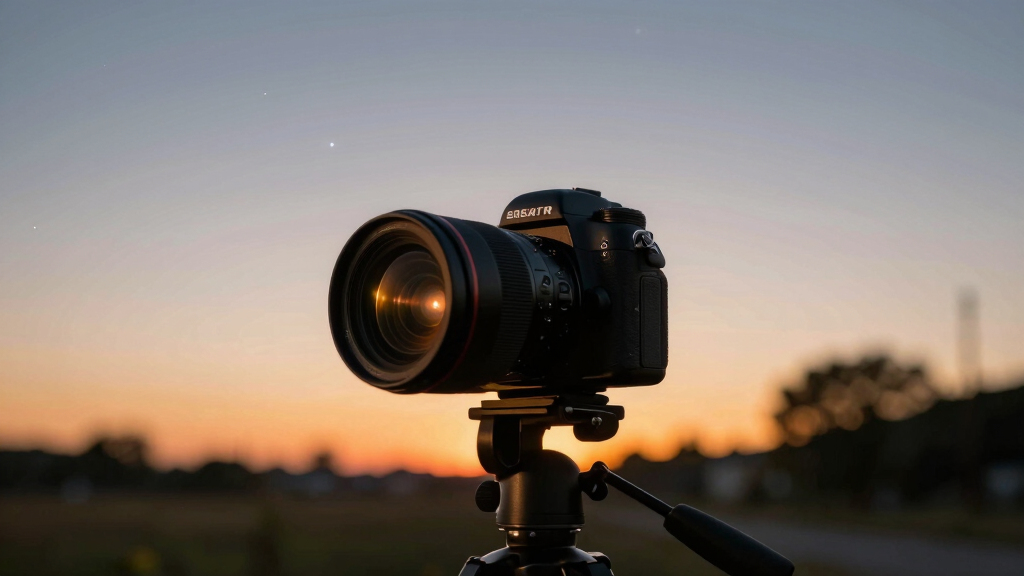
Our evaluation focused on key factors that matter to astrophotographers targeting strange lights in the sky: sensor sensitivity, image quality, ease of setup, and long-exposure stability. We prioritized cameras with high-resolution sensors capable of capturing faint or brief phenomena, as well as those with reliable autoguiding or stability features for extended shots. Portability and user-friendliness played important roles, especially for newcomers or those observing in remote locations. Cost was also considered, emphasizing value without sacrificing core performance. The ranking reflects a balance between professional-grade features and practical usability for capturing unusual sky events.
Factors to Consider When Choosing Best Astrophotography Camera For Strange Lights In The Sky
Choosing the best astrophotography camera for strange lights in the sky involves considering several key factors. Beyond raw specifications, it’s important to understand how each feature affects your ability to capture fleeting or dim phenomena, and how much complexity you’re willing to manage in setup and operation. A thoughtful approach ensures your investment aligns with your goals and experience level.Sensor Sensitivity and Resolution
For capturing strange lights, a camera with a high-sensitivity sensor is non-negotiable. Larger sensors with better low-light performance can pick up dim or brief phenomena more reliably. Resolution also matters; higher MP counts help detail, but they can increase file sizes and processing time. Beginners often benefit from moderate resolution sensors that balance quality and manageability, whereas seasoned astrophotographers may prioritize maximum detail for post-processing.
Autoguiding and Stability
When aiming to capture fleeting or faint lights, long-exposure stability becomes critical. Cameras with built-in autoguiding or compatibility with external guiding systems reduce star trails and motion blur. This feature is especially important for detailed, high-zoom images of unusual phenomena, where even slight movement can ruin the shot. But autoguiding systems add complexity and cost, so weigh whether the benefits justify your skill level and budget.
Connectivity and Portability
Wireless features like WiFi or Bluetooth offer convenience, especially when observing in remote locations or with mobile setups. However, wireless connections can introduce latency or dropouts, which may disrupt capturing fleeting lights. Portability also includes size and weight—compact, lightweight cameras are easier to carry into field locations, but might compromise some advanced features or sensor size. Consider your typical observation environment when prioritizing connectivity versus mobility.
Ease of Use and Learning Curve
Beginners should look for cameras with intuitive interfaces, straightforward controls, and guided setup procedures. Advanced features like autoguiding, stacking, or manual focus adjustments offer power but can become overwhelming without prior experience. Investing in user-friendly models reduces frustration and helps you focus on observing and capturing strange lights, rather than troubleshooting technical issues.
Budget and Value
Prices for astrophotography cameras vary widely. While high-end models deliver excellent performance, they often come with steep costs. Mid-range options, like some SVBONY models, provide a compelling balance of features and affordability, especially for those new to astrophotography or experimenting with capturing strange phenomena. Remember that additional accessories—like mounts, lenses, or guiding systems—can significantly impact overall costs, so budget accordingly for a complete setup.
Frequently Asked Questions
Can I use a regular camera to capture strange lights in the sky?
While a regular digital camera can capture some unusual lights, dedicated astrophotography cameras are designed specifically for low-light conditions and long exposures. They often feature larger sensors, better noise reduction, and autoguiding compatibility, which are crucial for detailed or fleeting phenomena. Using a regular camera may work for basic captures, but specialized equipment dramatically improves your chances of documenting strange sky lights with clarity and detail.
Is autoguiding necessary for capturing strange lights in the sky?
Autoguiding is highly beneficial if you’re planning to take long exposures, as it prevents star trails and motion blur. For fleeting or faint lights, autoguiding ensures your camera remains precisely focused on the target during extended shots, increasing the likelihood of a clear capture. However, for quick snapshots or short exposures, autoguiding might be less critical. The decision depends on your specific goals and technical comfort level.
How important is sensor size for photographing strange lights?
Sensor size directly influences light-gathering capability; larger sensors generally perform better in low-light conditions, which is vital for capturing strange lights that are often faint or transient. A bigger sensor also allows for wider fields of view, making it easier to frame large or unpredictable phenomena. Nonetheless, larger sensors tend to be more expensive and require more robust mounts and processing power, so weigh these factors against your budget and experience.
Should I prioritize wireless connectivity or wired for astrophotography?
Wireless connectivity offers convenience, especially for mobile or remote setups, but can introduce latency or connection stability issues during critical moments. Wired connections tend to be more reliable and faster, which can be crucial when trying to capture a fleeting event. If you prefer ease of setup and quick adjustments, wireless might suit your needs, but for high-stakes captures, a wired connection often provides peace of mind and stability.
What additional equipment do I need besides the camera?
Most astrophotography setups for capturing strange lights benefit from a sturdy mount or telescope, a good tracking system, and possibly guiding accessories. A fast lens or specialized filters can also enhance your chances of success. Additionally, a remote shutter release or intervalometer helps prevent vibrations during long exposures. Investing in these accessories ensures your camera’s capabilities are fully realized and that you can reliably record fleeting phenomena in the sky.
Conclusion
For those starting out or seeking a straightforward setup, the SVBONY SV205 offers reliable performance at a budget-friendly price, making it ideal for casual sky watchers. Serious astrophotographers aiming for maximum detail and long-exposure control should consider the Celestron NexImage 20 for its high resolution and autoguiding features. If portability and quick setup are priorities, the Wireless Bluetooth Telescope Camera provides a convenient solution without sacrificing too much quality. Ultimately, your choice depends on your experience level, budget, and specific interest in photographing strange lights in the sky.
Labor Day sales Picks
labor day deals
As an affiliate, we earn on qualifying purchases.





![Navier-Stokes – Tristan Buckmaster [Pdf]](https://whatifmonsters.com/wp-content/uploads/2026/09/navier-stokes-tristan-buckmaster-pdf-featured-260x140.jpg)